

Introduction
Cagrilintide is a long‑acting amylin receptor agonist being studied for its effects on appetite regulation, energy balance, and metabolic homeostasis. It belongs to a class of compounds designed to engage the calcitonin receptor (CTR) in complex with receptor activity‑modifying proteins (RAMPs), forming functional amylin receptor subtypes. Cagrilintide’s pharmacological activity extends the biological insights gained from native amylin research, allowing the controlled exploration of neuroendocrine mechanisms that influence food intake, gastric emptying, and body‑weight regulation.
Amylin Receptor Biology
Amylin is a 37‑amino acid peptide co‑secreted with insulin from pancreatic β‑cells. It acts through amylin receptors, which are heterodimers composed of the calcitonin receptor (CTR) and receptor activity‑modifying proteins (RAMP1, RAMP2, or RAMP3). These receptor subtypes (AMY1, AMY2, AMY3) exhibit tissue‑specific distribution and signal primarily through G‑protein–coupled mechanisms. Cagrilintide selectively activates these receptors, enhancing the signaling dynamics of endogenous amylin pathways in research models.
Mechanism of Action and Receptor Signaling
Cagrilintide engages amylin receptors to modulate neuronal circuits in the hypothalamus and brainstem involved in appetite and energy balance. Signal transduction occurs through Gs‑protein activation and increased cyclic AMP (cAMP) production, influencing downstream targets such as protein kinase A (PKA) and CREB. The result is altered expression of neuropeptides that control feeding behavior and satiety perception.
Appetite Regulation and Satiety Research
In experimental settings, Cagrilintide reduces food intake and prolongs satiety by delaying gastric emptying and altering central appetite signaling. Research models show that these effects are mediated through pathways overlapping with those of GLP‑1 receptor agonists but via distinct receptor mechanisms. This has made Cagrilintide a valuable compound for studying the complementary neuroendocrine feedback loops that regulate energy intake.
Energy Expenditure and Metabolic Integration
Beyond appetite suppression, amylin receptor activation has been associated with modulation of energy expenditure and lipid utilization. Cagrilintide’s signaling cascade interacts with hypothalamic centers that influence sympathetic output and metabolic rate. Research explores how sustained receptor activation impacts body composition, substrate oxidation, and adaptive thermogenesis.
Comparative and Synergistic Research Models
Cagrilintide is often compared with and studied alongside GLP‑1 receptor agonists in dual or combination research models. Studies demonstrate additive or synergistic effects on energy balance when both pathways are engaged—GLP‑1 influencing insulin and glucagon secretion, while Cagrilintide regulates satiety and gastric kinetics. This combined mechanism provides insight into integrated control of metabolic homeostasis.
Neuroendocrine and Peripheral Crosstalk
Cagrilintide’s effects extend to neuroendocrine feedback circuits that link the gut, pancreas, and central nervous system. Research explores how amylin receptor activity influences leptin sensitivity, hypothalamic inflammation, and vagal signaling. Such findings position amylin receptor agonists as central tools for understanding neuro‑metabolic integration.
Summary
Cagrilintide represents a long‑acting research agonist of amylin receptors studied for its effects on appetite regulation, energy balance, and neuroendocrine signaling. Its unique receptor specificity and synergistic potential with GLP‑1 receptor agonists make it an important compound for examining the multi‑layered regulation of metabolic homeostasis in research applications.
Educational & Research Disclaimer
This article is for educational and scientific research purposes only. No therapeutic claims or usage recommendations are provided. Compounds referenced are not approved for human use and are intended solely for controlled laboratory experimentation.
FAQ:
What is Cagrilintide?
Cagrilintide is a long-acting amylin receptor agonist developed for research into appetite regulation, energy homeostasis, and metabolic signaling pathways.
How does Cagrilintide differ from native amylin?
Cagrilintide is structurally modified to extend half-life and receptor activity compared to endogenous amylin, allowing sustained activation of amylin receptor complexes in experimental models.
Which receptors does Cagrilintide interact with?
Cagrilintide primarily targets amylin receptors formed by calcitonin receptor (CTR) heterodimers with receptor activity-modifying proteins (RAMP1, RAMP2, or RAMP3).
What research pathways are commonly studied with Cagrilintide?
Studies frequently examine central appetite signaling, gastric emptying modulation, energy expenditure regulation, and neuroendocrine feedback mechanisms.
Is Cagrilintide studied alone or in combination models?
Cagrilintide has been studied both as a standalone amylin agonist and in combination research models alongside GLP-1 receptor agonists to explore synergistic metabolic signaling.
What makes Cagrilintide relevant in metabolic research?
Its long-acting profile allows sustained amylin receptor engagement, making it useful for studying chronic appetite regulation, satiety signaling, and energy balance mechanisms.
PMID
- PMID: 33861491 – Cagrilintide pharmacology and long-acting amylin receptor activation
- PMID: 34380065 – Amylin receptor agonism and appetite regulation mechanisms
- PMID: 35210634 – Dual amylin and incretin pathway research models
- PMID: 31484635 – Calcitonin receptor–RAMP complexes in metabolic signaling
RELATED SEARCHES:
Mazdutide : Dual GLP‑1 and Glucagon Receptor Activation in Metabolic and Lipid Regulation Research
AICAR : AMPK Activation, Cellular Energy Sensing, and Exercise‑Mimetic Signaling in Research Models
Apelin : APJ Receptor Signaling, Cardiovascular Regulation, and Metabolic Research Pathways

Introduction
CagriSema is a combination of two research compounds—Cagrilintide, an amylin receptor agonist, and Semaglutide, a GLP‑1 receptor agonist. It represents a new generation of dual‑pathway models designed to explore synergistic control of appetite, energy balance, and metabolic homeostasis. By activating both the amylin and GLP‑1 receptor systems, CagriSema provides a platform for studying enhanced neuroendocrine regulation, reduced energy intake, and optimized energy expenditure through complementary mechanisms.
Dual Receptor Pharmacology
CagriSema integrates the signaling properties of Cagrilintide and Semaglutide, targeting amylin receptors (CTR‑RAMP complexes) and GLP‑1 receptors, respectively. The amylin component modulates gastric emptying and promotes satiety, while the GLP‑1 component influences insulin secretion, glucagon regulation, and central appetite pathways. This dual activation model allows researchers to examine additive or synergistic effects in energy balance and metabolic signaling studies.
Neuroendocrine and Appetite Regulation Mechanisms
Both amylin and GLP‑1 receptors converge in hypothalamic nuclei such as the arcuate nucleus and area postrema, where they modulate feeding behavior and nutrient sensing. CagriSema research demonstrates enhanced activation of anorexigenic pathways involving proopiomelanocortin (POMC) neurons and suppression of orexigenic neuropeptides like NPY and AgRP. These interactions result in prolonged satiety signaling and reduced caloric intake in research models.
Metabolic and Energy Expenditure Research
CagriSema has been examined for its combined influence on glucose homeostasis, lipid oxidation, and energy expenditure. Through GLP‑1 receptor activation, it supports insulinotropic and glucose‑lowering effects, while amylin receptor engagement enhances lipid mobilization and mitochondrial efficiency. Studies also explore its ability to increase thermogenic activity in brown adipose tissue and modulate AMPK‑dependent energy signaling.
Mitochondrial and Cellular Pathway Integration
At the cellular level, CagriSema’s dual signaling framework engages metabolic pathways involving AMPK, PGC‑1α, and SIRT1. This results in improved mitochondrial biogenesis, oxidative phosphorylation efficiency, and overall energy management within metabolically active tissues such as liver, muscle, and adipose. These findings provide valuable insight into how integrated hormone signaling influences cellular energy balance.
Comparative and Synergistic Research Findings
Comparative studies of CagriSema with single‑agent GLP‑1 or amylin agonists indicate a synergistic relationship that amplifies effects on satiety and metabolic regulation. This synergy may be attributed to overlapping but distinct receptor pathways that converge on shared intracellular messengers such as cAMP and CREB. Research continues to explore how this co‑agonist design can enhance the efficacy and duration of metabolic signaling outcomes.
Summary
CagriSema embodies the convergence of amylin and GLP‑1 receptor research into a unified model of metabolic regulation. Its ability to engage multiple endocrine axes offers a framework for understanding complex energy balance mechanisms, appetite regulation, and mitochondrial metabolic efficiency in controlled research environments. The combination of these two complementary signaling pathways provides a strong foundation for future dual‑ and multi‑agonist investigations.
Educational & Research Disclaimer
This article is for educational and scientific research purposes only. No therapeutic claims or usage recommendations are provided. Compounds referenced are not approved for human use and are intended solely for controlled laboratory experimentation.
FAQ:
What is CagriSema?
CagriSema is a dual-pathway research construct combining amylin receptor agonism with GLP-1 receptor signaling. It is studied in experimental models to evaluate synergistic effects on metabolic signaling and appetite regulation pathways.
How is CagriSema studied in research settings?
In research contexts, CagriSema is examined using mechanistic and preclinical models to explore how simultaneous activation of amylin and GLP-1 receptors influences energy balance, neuroendocrine signaling, and metabolic homeostasis.
What signaling pathways are associated with CagriSema research?
Studies focus on amylin receptor complexes (CTR–RAMP systems), GLP-1 receptor signaling cascades, hypothalamic appetite regulation networks, and downstream metabolic control pathways.
Is CagriSema approved for human or clinical use?
No. CagriSema is referenced here strictly as a research compound. It is not approved for human consumption, medical treatment, or clinical application.
PMID
- PMID: 30898969
Review of amylin receptor signaling, CTR–RAMP complexes, and metabolic regulation mechanisms. - PMID: 31420592
Overview of GLP-1 receptor biology and its role in appetite and energy balance signaling pathways. - PMID: 33208931
Analysis of dual-pathway metabolic signaling strategies involving incretin and amylin systems. - PMID: 34469770
Neuroendocrine mechanisms of appetite regulation and energy homeostasis relevant to amylin and GLP-1 pathways.
Related Searches:
Mazdutide : Dual GLP‑1 and Glucagon Receptor Activation in Metabolic and Lipid Regulation Research
Apelin : APJ Receptor Signaling, Cardiovascular Regulation, and Metabolic Research Pathways
GLP-1 Pathway Peptides: Comparative Research on Semaglutide, Tirzepatide & Retatrutide
Frag 176–191: Growth Hormone–Derived Fragment and Lipolytic Research Mechanisms

Introduction
Selank is a synthetic heptapeptide derived from the endogenous immunomodulatory peptide Tuftsin. Its sequence, Thr-Lys-Pro-Arg-Pro-Gly-Pro, was engineered for enhanced stability, resistance to enzymatic degradation, and improved neuromodulatory properties. Research explores Selank’s potential influence on neurotransmitter regulation, stress-response signaling, BDNF-associated pathways, immune–neural communication, and cognitive processing networks.
Structural Biology of Selank
Selank is structurally based on the Thr-Lys-Pro-Arg motif of Tuftsin, extended with Pro-Gly-Pro to enhance conformational stability and metabolic resistance. The additional residues increase peptide rigidity, improve receptor interactions in research models, and reduce susceptibility to peptidases.
Mechanistic Pathways in Neuromodulatory Research
Selank is studied for its influence on neurotransmitter and neuroimmune systems. Research indicates potential modulation of GABA turnover, GABA synthesis enzymes, and GABA-A receptor-associated functions. Additional findings examine Selank’s relationships with serotonergic and catecholaminergic signaling, including serotonin synthesis, dopamine turnover, and norepinephrine-related stress pathways.
BDNF-Associated Pathways
Research models show Selank may influence brain-derived neurotrophic factor (BDNF) expression and associated transcriptional networks. BDNF is involved in synaptic plasticity, neuronal survival, dendritic branching, and learning mechanisms. Selank also appears in studies exploring TrkB receptor-associated pathways that govern long-term potentiation and neural adaptation.
Neuroimmune Modulation
Due to its Tuftsin origin, Selank retains relevance in immune-related pathways. Studies evaluate its effects on cytokine expression patterns, including IL-6, TNF-α, and interferon-linked signaling. Additional models explore microglial activity, including inflammatory gene expression, neuroimmune communication, and synaptic-environment regulation.
Stress-Response and HPA-Axis Research
Selank is examined in research involving corticotropin-releasing factor (CRF), hypothalamic–pituitary–adrenal (HPA) axis signaling, and stress-peptide pathways. These models explore the compound’s potential influence on adaptive and maladaptive stress-response systems.
Synaptic Plasticity and Cognitive Pathways
Studies on hippocampal gene expression suggest Selank’s involvement in regulating synaptic proteins, kinase pathways, neurotransmitter receptor expression, and immediate-early genes such as c-Fos and Arc. Research also explores Selank’s potential effects on neural oscillations, theta–gamma coupling, and excitatory–inhibitory balance.
Metabolic and Monoamine Regulation
Research involving Selank includes examination of monoamine oxidase (MAO) activity, COMT metabolic pathways, glutamate/GABA homeostasis, and tryptophan–kynurenine balance. These pathways highlight the compound’s broad neurometabolic relevance.
Summary
Selank is a Tuftsin-derived heptapeptide studied for its neuromodulatory and neuroimmune regulatory properties. Research highlights its involvement in neurotransmitter systems, BDNF-associated pathways, stress-response regulation, microglial activity, synaptic plasticity, and monoamine metabolism. Its structural stability and dual neuroimmune positioning make Selank a valuable tool in advanced neurobiological research.
Educational & Research Disclaimer
This article is for educational and scientific research purposes only. No therapeutic claims or usage recommendations are provided. Compounds referenced are not approved for human use and are intended solely for controlled laboratory experimentation.
FAQ:
What is Selank?
Selank is a synthetic heptapeptide derived from the endogenous immunomodulatory peptide tuftsin. It has been studied in experimental models for its role in neuromodulatory signaling and immune–neural communication.
How is Selank classified in research literature?
In the scientific literature, Selank is classified as a neuromodulatory peptide and is primarily investigated in preclinical and mechanistic research models rather than clinical therapeutic contexts.
What biological pathways are studied with Selank?
Research involving Selank has examined pathways related to neurotransmitter regulation, stress-response signaling, immune–neural interactions, and BDNF-associated neuromodulatory networks.
Is Selank intended for human or clinical use?
No. Selank is supplied strictly for laboratory and research use. It is not approved for human consumption, medical treatment, or clinical application.
PMID:
- PMID: 10470086 – Experimental studies describing the anxiolytic-like and neuromodulatory properties of Selank in animal models.
- PMID: 16127768 – Research examining Selank’s influence on neurochemical signaling and stress-related pathways in preclinical systems.
- PMID: 12617360 – Analysis of tuftsin-derived peptides, including Selank, and their immunomodulatory and neuroimmune interactions.
Related Searches:
Dihexa — Neurotrophic Peptide Research Article (Educational • Research Use Only)
Semax : ACTH(4–10)-Derived Heptapeptide and Neurotrophic Research Pathways

Selank 10mg
Selank 10mg is a research compound studied for neuroregulatory signaling, stress-response modulation, and anxiolytic pathway mechanisms. For research use only.

Introduction
SLU‑PP‑332 is a synthetic small‑molecule agonist of estrogen‑related receptors (ERRs), primarily ERRα and ERRγ, developed as a research tool to study mitochondrial oxidative metabolism and exercise‑mimetic transcriptional programs. Unlike compounds that activate AMPK directly, SLU‑PP‑332 operates at the nuclear receptor level, driving coordinated expression of genes involved in oxidative phosphorylation, fatty‑acid oxidation, and mitochondrial biogenesis.
Estrogen‑Related Receptors: ERRα and ERRγ
ERRα and ERRγ are orphan nuclear receptors that regulate cellular energy metabolism. They are highly expressed in tissues with high oxidative demand, including skeletal muscle, cardiac muscle, and brown adipose tissue. ERRs function as transcriptional regulators by binding to estrogen‑related response elements (ERREs) in the promoters of metabolic genes.
Mechanism of Action of SLU‑PP‑332
SLU‑PP‑332 binds to ERRα and ERRγ, stabilizing their active conformations and enhancing transcriptional activity. This activation promotes expression of mitochondrial genes involved in electron transport chain function, fatty‑acid β‑oxidation, and tricarboxylic acid cycle flux. Research distinguishes this mechanism from energy‑stress‑based activation pathways such as AMPK.
Mitochondrial Oxidative Metabolism
ERR activation by SLU‑PP‑332 leads to upregulation of genes encoding components of oxidative phosphorylation, including complexes I–V of the electron transport chain. Studies examine increases in mitochondrial respiration, ATP generation efficiency, and oxidative capacity in skeletal muscle and cardiac research models.
Exercise‑Mimetic Transcriptional Programs
SLU‑PP‑332 is widely studied as an exercise mimetic due to its ability to induce transcriptional programs associated with endurance training. Research explores overlaps with exercise‑induced gene expression, including pathways regulated by PGC‑1α, NRF1, and mitochondrial transcription factor A (TFAM).
Fatty‑Acid Oxidation and Metabolic Flexibility
Activation of ERRs enhances expression of enzymes involved in fatty‑acid transport and oxidation. Research examines how SLU‑PP‑332 influences metabolic substrate selection, favoring lipid utilization over glycolysis in oxidative tissues.
Skeletal Muscle and Cardiac Research
In skeletal muscle models, SLU‑PP‑332 is used to study endurance capacity, oxidative fiber programming, and mitochondrial density. Cardiac research focuses on its effects on myocardial energy metabolism, contractile efficiency, and resistance to metabolic stress.
Comparative Signaling Context
SLU‑PP‑332‑mediated ERR activation is mechanistically distinct from AMPK‑dependent pathways triggered by AICAR or energy depletion. Research highlights how ERR agonism can drive oxidative programs without inducing catabolic stress responses associated with ATP depletion.
Research Limitations and Specificity
As a synthetic ERR agonist, SLU‑PP‑332 is used exclusively in controlled experimental systems. Studies emphasize tissue specificity, receptor subtype selectivity, and dose‑dependent transcriptional outcomes when interpreting results. Off‑target nuclear receptor interactions remain an area of active investigation.
Summary
SLU‑PP‑332 is a powerful research compound for studying estrogen‑related receptor biology, mitochondrial oxidative metabolism, and exercise‑mimetic transcriptional programs. By acting at the level of nuclear receptor signaling, it provides unique insights into metabolic remodeling and endurance‑associated gene regulation.
Educational & Research Disclaimer
This article is for educational and scientific research purposes only. No therapeutic claims or usage recommendations are provided. Compounds referenced are not approved for human use and are intended solely for controlled laboratory experimentation.
FAQ:
What is SLU-PP-332?
SLU-PP-332 is a synthetic small-molecule agonist of estrogen-related receptors (ERRs), primarily ERRα and ERRγ. It is used in research to study mitochondrial oxidative metabolism and transcriptional programs associated with energy expenditure.
How does SLU-PP-332 work?
SLU-PP-332 activates estrogen-related receptors, which are nuclear transcription factors that regulate genes involved in mitochondrial biogenesis, oxidative phosphorylation, and fatty-acid oxidation. This activation shifts cellular metabolism toward increased oxidative capacity.
Why is SLU-PP-332 described as exercise-mimetic in research?
ERR activation by SLU-PP-332 induces transcriptional profiles similar to those observed during endurance exercise, including enhanced mitochondrial function and oxidative metabolism, without requiring mechanical muscle contraction.
What pathways are commonly studied using SLU-PP-332?
Research using SLU-PP-332 often focuses on ERRα/ERRγ signaling, mitochondrial oxidative phosphorylation, fatty-acid utilization, and coordination with downstream metabolic regulators such as PGC-1α.
Is SLU-PP-332 related to estrogen signaling?
No. Despite the name, estrogen-related receptors do not bind estrogen. ERRs are orphan nuclear receptors that regulate energy metabolism independently of classical estrogen signaling.
Is SLU-PP-332 a peptide?
No. SLU-PP-332 is not a peptide. It is a small-molecule compound designed to selectively activate estrogen-related receptors.
What research models use SLU-PP-332?
SLU-PP-332 has been studied in cellular systems and animal models to examine mitochondrial metabolism, exercise-mimetic gene expression, and systemic energy regulation.
Is SLU-PP-332 approved for clinical use?
SLU-PP-332 is a research compound and is not approved for clinical or therapeutic use. Its applications remain experimental.
Selected References (PMIDs)
- PMID: 37258673 – Identification of SLU-PP-332 as an ERR agonist inducing exercise-like metabolic programs
- PMID: 16007134 – Estrogen-related receptors as regulators of mitochondrial function
- PMID: 18316377 – ERRα control of oxidative metabolism and mitochondrial gene expression
- PMID: 20603086 – ERRγ regulation of skeletal muscle oxidative capacity
- PMID: 24011593 – Nuclear receptor control of mitochondrial biogenesis and energy metabolism
- PMID: 33208945 – Transcriptional networks linking ERR signaling and energy expenditure
RELATED SEARCHES:
Mazdutide : Dual GLP‑1 and Glucagon Receptor Activation in Metabolic and Lipid Regulation Research
AICAR : AMPK Activation, Cellular Energy Sensing, and Exercise‑Mimetic Signaling in Research Models
Apelin : APJ Receptor Signaling, Cardiovascular Regulation, and Metabolic Research Pathways

SLU-PP-332 250mcg (100 ct)
SLU-PP-332 250mcg is a research compound studied for ERR signaling, mitochondrial biogenesis pathways, and exercise-mimetic metabolic mechanisms. For research use only.

Introduction
Tesofensine is a synthetic tropane derivative originally investigated for neurodegenerative disorders and later studied for its impact on metabolic regulation, appetite control, and energy expenditure. It functions primarily as a triple monoamine reuptake inhibitor, influencing dopamine, norepinephrine, and serotonin signaling. Tesofensine has become a molecule of interest in research exploring central energy balance, neuroendocrine signaling, and metabolic homeostasis.
Molecular Mechanism of Action
Tesofensine inhibits presynaptic reuptake transporters for dopamine (DAT), norepinephrine (NET), and serotonin (SERT), resulting in elevated synaptic concentrations of these neurotransmitters. This mechanism enhances catecholaminergic and serotonergic signaling in brain regions responsible for reward, appetite, and energy regulation. Research models indicate that these effects influence hypothalamic control of hunger and thermogenic pathways.
Central Nervous System and Hypothalamic Pathways
Research into Tesofensine focuses heavily on its modulation of hypothalamic signaling networks governing food intake and energy balance. Elevated monoamine activity in the arcuate nucleus and paraventricular nucleus impacts neuropeptides such as neuropeptide Y (NPY), agouti-related peptide (AgRP), and proopiomelanocortin (POMC), resulting in altered appetite signaling and metabolic rate adjustments.
Metabolic and Energy Expenditure Research
Tesofensine is studied for its effects on basal metabolic rate, lipid oxidation, and mitochondrial energy metabolism. Increased sympathetic nervous system activity leads to elevated thermogenesis and enhanced fatty acid utilization. Studies explore its role in modifying energy partitioning and substrate preference in skeletal muscle and adipose tissue.
Neuroendocrine and Peripheral Integration
Beyond its central actions, Tesofensine influences systemic metabolic processes through neuroendocrine cross-talk. Research suggests altered signaling in the hypothalamic–pituitary–adrenal (HPA) and thyroid axes, contributing to modulation of metabolic hormones such as leptin, insulin, and thyroid hormones. These interactions are being examined for their relevance to weight regulation and metabolic adaptation.
Cardiometabolic and Sympathetic Activity
Due to its sympathomimetic effects, Tesofensine research includes analysis of cardiovascular responses such as increased heart rate, blood pressure modulation, and vascular tone. Studies investigate mechanisms for balancing enhanced metabolic rate with cardiovascular safety in controlled models.
Combination and Comparative Research
Recent research explores combination models of Tesofensine with other metabolic regulators, including GLP-1 receptor agonists, AMPK activators, and mitochondrial peptides. Such pairings are designed to examine additive or synergistic effects on energy metabolism, insulin sensitivity, and appetite regulation.
Summary
Tesofensine is a triple monoamine reuptake inhibitor studied for its influence on appetite regulation, energy expenditure, and neuroendocrine signaling. Its integrated actions across central and peripheral systems make it a versatile model compound for investigating the molecular and neural basis of metabolic control in research settings.
Educational & Research Disclaimer
This article is for educational and scientific research purposes only. No therapeutic claims or usage recommendations are provided. Compounds referenced are not approved for human use and are intended solely for controlled laboratory experimentation.
FAQ:
What is Tesofensine?
Tesofensine is a synthetic tropane derivative studied in research for its role as a triple monoamine reuptake inhibitor, affecting dopamine, norepinephrine, and serotonin signaling pathways.
How does Tesofensine work at the molecular level?
Tesofensine inhibits the reuptake transporters for dopamine (DAT), norepinephrine (NET), and serotonin (SERT), leading to prolonged synaptic availability of these neurotransmitters and altered neuroendocrine signaling.
Why is Tesofensine studied in metabolic research?
Although its primary action is central nervous system signaling, Tesofensine is used in research to examine how central monoamine modulation influences appetite regulation, energy expenditure, and metabolic controlthrough neuroendocrine pathways.
What neurotransmitter systems are involved?
Tesofensine primarily affects dopaminergic, noradrenergic, and serotonergic systems, which are key regulators of motivation, reward processing, autonomic output, and hypothalamic energy balance signaling.
Is Tesofensine a peptide?
No. Tesofensine is not a peptide. It is a small-molecule compound derived from the tropane class.
What research models are used to study Tesofensine?
Tesofensine has been evaluated in cellular assays and animal models to study monoamine transport, neuroendocrine regulation, and centrally mediated metabolic signaling.
Is Tesofensine approved for clinical use?
Tesofensine is primarily a research compound and is not approved for general clinical use. Its applications remain investigational.
Selected References (PMIDs)
- PMID: 16362095 – Tesofensine as a triple monoamine reuptake inhibitor
- PMID: 18248663 – Central monoamine signaling and appetite regulation
- PMID: 19351912 – Neuroendocrine control of energy balance via monoamines
- PMID: 20479941 – Dopamine and norepinephrine pathways in metabolic regulation
- PMID: 21407119 – Serotonergic signaling and hypothalamic energy homeostasis
- PMID: 23183208 – CNS-mediated mechanisms linking neurotransmitters and metabolism
RELATED SEARCHES:
Dihexa — Neurotrophic Peptide Research Article (Educational • Research Use Only)
Semax : ACTH(4–10)-Derived Heptapeptide and Neurotrophic Research Pathways

Tesofensine 500mcg (100 ct)
Tesofensine 500mcg is a research compound studied for monoamine transporter modulation, central appetite signaling, and energy balance regulation. For research use only.

Introduction
Mazdutide is a synthetic dual agonist designed to target both the glucagon‑like peptide‑1 (GLP‑1) receptor and the glucagon receptor (GCGR). This dual‑receptor activation model is of increasing research interest for its potential effects on metabolic homeostasis, lipid oxidation, and energy expenditure. Mazdutide belongs to the expanding class of multi‑agonist compounds being studied for comprehensive metabolic modulation through endocrine and mitochondrial signaling pathways.
Molecular Design and Receptor Pharmacology
Mazdutide integrates structural motifs that allow balanced activation of GLP‑1 and glucagon receptors. GLP‑1 receptor engagement enhances insulinotropic and appetite‑suppressive signaling, while glucagon receptor activation promotes hepatic lipid oxidation and energy mobilization. The combined effect leads to simultaneous promotion of satiety and increased energy turnover, offering a mechanistic framework for studying whole‑body metabolic regulation.
GLP‑1 and Glucagon Receptor Signaling Mechanisms
Activation of the GLP‑1 receptor stimulates cyclic AMP (cAMP) production and downstream PKA and Epac2 signaling, improving glucose handling and neuroendocrine balance. Concurrently, glucagon receptor activation triggers similar cAMP‑dependent pathways within hepatocytes, leading to elevated fatty acid oxidation, mitochondrial uncoupling, and ketone body generation. Mazdutide’s dual action provides a valuable research model for studying the synergy between anabolic and catabolic metabolic responses.
Metabolic and Lipid Oxidation Research
In research models, Mazdutide is studied for its effects on lipid turnover, hepatic mitochondrial efficiency, and systemic energy balance. The dual receptor activation promotes fatty acid mobilization and oxidation while maintaining glucose homeostasis through GLP‑1–mediated insulinotropic effects. Studies have shown increased AMPK phosphorylation, enhanced PGC‑1α expression, and upregulation of mitochondrial biogenesis pathways in skeletal muscle and liver tissues.
Energy Expenditure and Thermogenic Signaling
Dual GLP‑1 and GCGR activation leads to increased oxygen consumption, energy expenditure, and thermogenic gene expression. This effect is mediated through UCP1 activation in brown adipose tissue and mitochondrial uncoupling mechanisms. Research explores Mazdutide’s influence on sympathetic tone, β‑adrenergic signaling, and lipid oxidation rates in thermogenic models.
Comparative and Mechanistic Studies
Mazdutide research often includes comparative analysis with selective GLP‑1 receptor agonists such as semaglutide, as well as newer triple agonists like retatrutide. Unlike GLP‑1–only compounds, dual agonists display complementary effects on lipid metabolism and energy utilization. These distinctions make Mazdutide an ideal model for studying poly‑receptor signaling and metabolic network coordination.
Mitochondrial and Cellular Adaptation
At the cellular level, Mazdutide’s actions on AMPK and PGC‑1α pathways suggest enhanced mitochondrial efficiency and biogenesis. Research explores cross‑talk between cyclic AMP signaling, oxidative phosphorylation, and ROS modulation as part of a broader mitochondrial adaptation response.
Summary
Mazdutide represents a modern research compound illustrating the potential of dual GLP‑1 and glucagon receptor activation in regulating metabolism, lipid oxidation, and energy expenditure. Its combined receptor activity creates a unique experimental platform for studying integrated metabolic control, mitochondrial dynamics, and energy‑homeostatic signaling in advanced research models.
Educational & Research Disclaimer
This article is for educational and scientific research purposes only. No therapeutic claims or usage recommendations are provided. Compounds referenced are not approved for human use and are intended solely for controlled laboratory experimentation.
FAQ
What is Mazdutide?
Mazdutide is a synthetic dual agonist designed to activate both the glucagon-like peptide-1 (GLP-1) receptor and the glucagon receptor (GCGR). It is studied in research models to evaluate coordinated metabolic and lipid-regulation signaling.
How does Mazdutide differ from single-receptor GLP-1 agonists?
Unlike single-receptor GLP-1 agonists, Mazdutide engages both GLP-1 and glucagon receptors, allowing researchers to study combined effects on glucose handling, lipid oxidation, and energy expenditure within the same signaling framework.
What signaling pathways are studied with Mazdutide?
Mazdutide is commonly used to investigate cAMP-dependent signaling, PKA activation, lipid oxidation pathways, hepatic energy metabolism, and integrated endocrine control of metabolic homeostasis.
Why is dual GLP-1 and glucagon receptor activation of interest in research?
Dual activation provides a model for studying how anabolic and catabolic pathways interact, particularly the balance between appetite-related signaling, hepatic lipid metabolism, and systemic energy utilization.
Is Mazdutide a peptide?
Yes. Mazdutide is a peptide-based multi-agonist engineered to interact with peptide hormone receptors involved in metabolic regulation.
What research models are used to study Mazdutide?
Mazdutide has been evaluated in cell-based systems and animal models to explore metabolic signaling, lipid handling, and endocrine pathway integration.
Is Mazdutide approved for clinical use?
Mazdutide is primarily a research compound and is not approved for general clinical use. Its role remains investigational within controlled research settings.
Selected References (PMIDs)
- PMID: 35385778 – Dual GLP-1 and glucagon receptor agonism in metabolic research
- PMID: 34915235 – Multi-agonist peptide strategies for metabolic regulation
- PMID: 32855339 – Glucagon receptor signaling in lipid oxidation and energy balance
- PMID: 31409706 – GLP-1 receptor signaling and metabolic pathway integration
- PMID: 33602876 – Peptide-based dual agonists in metabolic disease research
- PMID: 36417624 – Coordinated endocrine control of glucose and lipid metabolism
RELATED SEARCHES:
AICAR : AMPK Activation, Cellular Energy Sensing, and Exercise‑Mimetic Signaling in Research Models
Apelin : APJ Receptor Signaling, Cardiovascular Regulation, and Metabolic Research Pathways
Introduction
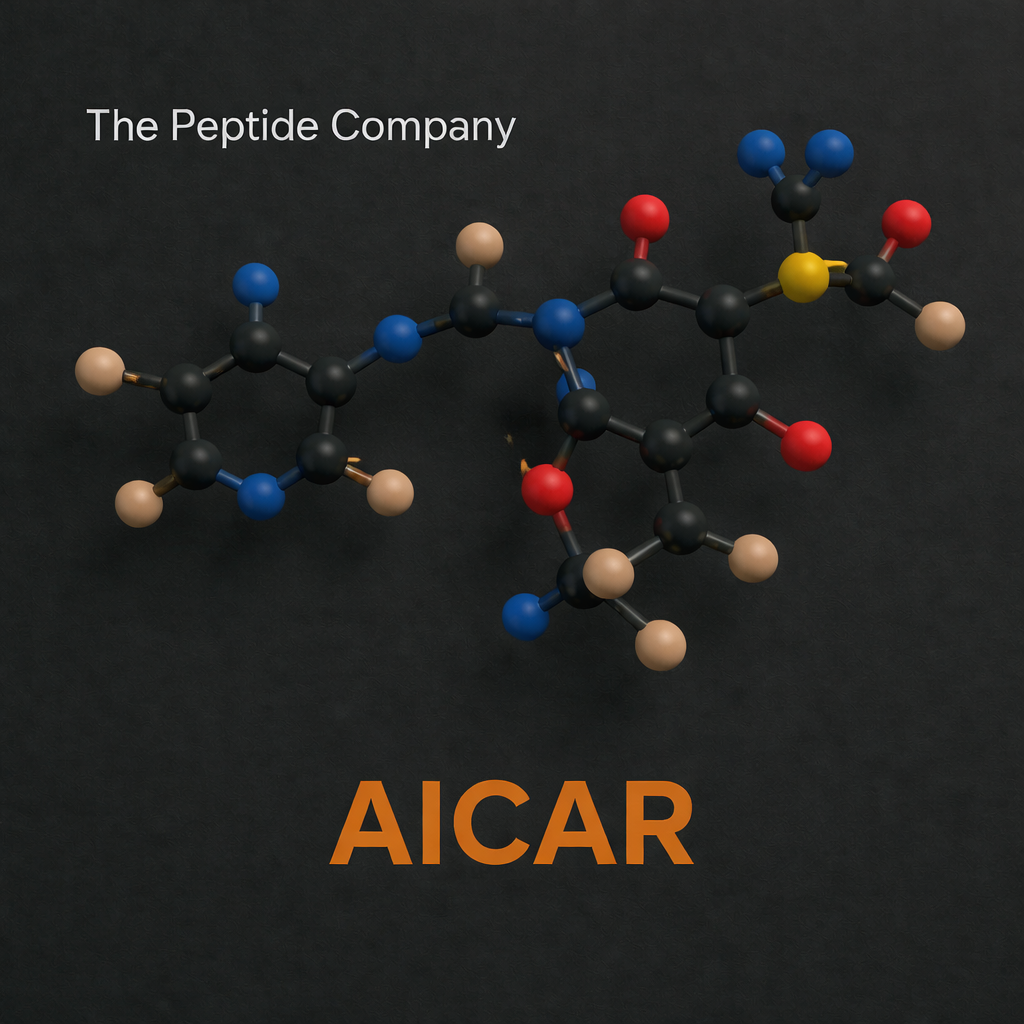
5‑Aminoimidazole‑4‑carboxamide ribonucleotide (AICAR) is a cell‑permeable adenosine analog widely used in research to study cellular energy sensing and metabolic regulation. Once inside cells, AICAR is phosphorylated to ZMP, an AMP mimetic that activates AMP‑activated protein kinase (AMPK). Through this mechanism, AICAR serves as a foundational tool for investigating energy stress responses, mitochondrial biogenesis, and exercise‑mimetic signaling pathways.
Chemical Properties and Intracellular Conversion
AICAR enters cells via nucleoside transporters and is rapidly converted to ZMP by adenosine kinase. ZMP structurally and functionally resembles AMP, allowing it to interact with AMPK regulatory subunits. This conversion bypasses upstream energetic stress, enabling controlled activation of energy‑sensing pathways in experimental models.
AMPK Structure and Activation Mechanism
AMPK is a heterotrimeric kinase composed of catalytic α and regulatory β and γ subunits. ZMP binding to the γ subunit promotes AMPK activation by enhancing phosphorylation of the α subunit at Thr172 and protecting it from dephosphorylation. Research examines how AICAR‑induced AMPK activation differs from physiological activation driven by ATP depletion.
Metabolic Reprogramming and Substrate Utilization
Activation of AMPK by AICAR shifts cellular metabolism toward catabolic processes that generate ATP. Research models demonstrate increased fatty acid oxidation through inhibition of acetyl‑CoA carboxylase (ACC), enhanced glucose uptake via GLUT4 translocation, and suppression of anabolic pathways such as lipid and protein synthesis.
Mitochondrial Biogenesis and Oxidative Capacity
AICAR‑mediated AMPK activation influences mitochondrial biogenesis through regulation of PGC‑1α and related transcriptional networks. Studies examine changes in mitochondrial DNA content, respiratory enzyme expression, and oxidative phosphorylation capacity following AMPK activation in skeletal muscle and other tissues.
Exercise‑Mimetic Signaling Research
AICAR is frequently described in research as an exercise mimetic due to its ability to activate AMPK‑dependent pathways associated with endurance adaptation. Experimental models explore overlaps and distinctions between AICAR‑induced signaling and mechanical exercise, including effects on muscle fiber composition and metabolic efficiency.
Cardiac and Skeletal Muscle Research
In muscle research, AICAR is used to study energy stress responses, contractile efficiency, and metabolic flexibility. Cardiac models investigate its influence on substrate utilization, ischemic tolerance, and mitochondrial resilience under energetic challenge.
Signal Specificity and Research Limitations
While AICAR is a powerful research tool, ZMP can interact with AMP‑sensitive enzymes beyond AMPK. Studies emphasize the importance of distinguishing AMPK‑dependent and AMPK‑independent effects when interpreting results. Dose, exposure time, and tissue context significantly influence signaling outcomes in experimental systems.
Summary
AICAR is a widely used experimental compound for probing AMPK activation, energy‑sensing mechanisms, mitochondrial adaptation, and exercise‑related metabolic signaling. Its ability to selectively engage cellular energy pathways makes it a central molecule in metabolic and mitochondrial research.
Educational & Research Disclaimer
This article is for educational and scientific research purposes only. No therapeutic claims or usage recommendations are provided. Compounds referenced are not approved for human use and are intended solely for controlled laboratory experimentation.
FAQ:
What is AICAR?
AICAR (5-Aminoimidazole-4-carboxamide ribonucleotide) is a synthetic adenosine analog commonly used in research to study cellular energy sensing and AMP-activated protein kinase (AMPK) signaling pathways.
How does AICAR activate AMPK?
Inside cells, AICAR is converted to ZMP, an AMP mimetic that binds to AMPK and promotes its activation, allowing researchers to study downstream effects of energy stress signaling without altering ATP directly.
Why is AICAR described as an exercise-mimetic in research?
AICAR activates many of the same intracellular pathways stimulated by endurance exercise—particularly AMPK-dependent pathways involved in mitochondrial biogenesis and substrate utilization—making it useful in exercise physiology models.
What pathways are commonly studied using AICAR?
AICAR is frequently used to investigate AMPK-related pathways such as mitochondrial biogenesis (PGC-1α), glucose uptake, fatty-acid oxidation, and metabolic adaptation under energetic stress.
Is AICAR a peptide?
No. AICAR is not a peptide. It is a small-molecule nucleoside analog, though it is often discussed alongside peptides due to its use in metabolic and signaling research.
What research models use AICAR?
AICAR has been studied in cell culture, animal models, and controlled laboratory settings to explore metabolic regulation, mitochondrial function, and energy-sensing mechanisms.
Is AICAR used clinically?
AICAR is primarily a research compound and is not approved for general clinical use. Its role is largely limited to experimental and mechanistic studies.
Selected References (PMIDs)
- PMID: 11340166 – AICAR activation of AMPK and effects on cellular metabolism
- PMID: 15987730 – AMPK regulation of mitochondrial biogenesis via PGC-1α
- PMID: 15075399 – AICAR-induced glucose uptake independent of insulin
- PMID: 17106097 – Exercise-like metabolic adaptations induced by AICAR
- PMID: 17434812 – AMPK as a central energy sensor in metabolic regulation
- PMID: 20071205 – AMPK signaling and mitochondrial function in skeletal muscle
Related Searches:
Apelin : APJ Receptor Signaling, Cardiovascular Regulation, and Metabolic Research Pathways
Cardiogen: Short Peptide Bioregulator for Cardiac and Myocardial Tissue Research

Introduction
Apelin is an endogenous peptide ligand for the APJ receptor (APLNR), a G‑protein–coupled receptor widely expressed in cardiovascular, metabolic, and central nervous system tissues. Since its identification, apelin has become a key focus in research examining vascular biology, cardiac contractility, fluid homeostasis, and metabolic regulation. Its signaling network positions apelin as a counter-regulatory system to classical renin–angiotensin pathways.
Peptide Variants and Biosynthesis
Apelin is produced as a prepropeptide that undergoes enzymatic processing into multiple active isoforms, including apelin‑36, apelin‑17, and apelin‑13. These fragments share a conserved C‑terminal region essential for receptor binding. Research compares isoform-specific stability, receptor affinity, and signaling bias across tissues.
APJ (APLNR) Receptor Biology
The APJ receptor is a class A GPCR structurally related to the angiotensin II type 1 receptor but does not bind angiotensin II. Apelin–APJ signaling couples primarily to Gi/o proteins, resulting in inhibition of adenylate cyclase, activation of PI3K–Akt pathways, and stimulation of nitric oxide signaling. Additional coupling to Gq pathways has been observed in certain cell types.
Cardiovascular and Hemodynamic Research
Apelin is extensively studied for its cardiovascular effects, including positive inotropy, vasodilation, and regulation of blood pressure. Research models demonstrate apelin-mediated enhancement of cardiac output, improved endothelial function, and modulation of vascular tone through nitric oxide–dependent mechanisms.
Fluid Balance and Renal Signaling
Apelin signaling plays a role in fluid homeostasis by interacting with vasopressin-regulated pathways. Studies examine its effects on renal water handling, diuresis, and central osmoregulatory circuits. This positions apelin as an important modulator of systemic volume regulation in research contexts.
Metabolic Regulation and Energy Homeostasis
Apelin is investigated for its influence on glucose uptake, insulin sensitivity, and lipid metabolism. Research explores its role in skeletal muscle glucose transport, adipose tissue signaling, and metabolic adaptation to exercise and nutrient availability.
Angiogenesis and Tissue Remodeling
Apelin–APJ signaling contributes to angiogenic processes and tissue remodeling. Studies examine its involvement in endothelial cell proliferation, vascular maturation, and adaptive responses to hypoxia. These properties link apelin to regenerative and developmental biology research.
Central Nervous System Signaling
Apelin and APJ are expressed in multiple brain regions, where they participate in neuroendocrine regulation, stress responses, and autonomic control. Research investigates apelin’s integration with hypothalamic signaling networks that coordinate cardiovascular and metabolic function.
Summary
Apelin is a multifunctional peptide ligand that regulates cardiovascular performance, vascular tone, fluid balance, metabolic signaling, and angiogenesis through APJ receptor activation. Its broad physiological relevance and counter-regulatory role within endocrine systems make apelin a significant focus in integrative cardiovascular and metabolic research.
Educational & Research Disclaimer
This article is for educational and scientific research purposes only. No therapeutic claims or usage recommendations are provided. Compounds referenced are not approved for human use and are intended solely for controlled laboratory experimentation.
PMID:
- PMID: 15064324 – Discovery of apelin as APJ receptor ligand
- PMID: 17003045 – Apelin in cardiovascular regulation
- PMID: 20519338 – Apelin and metabolic homeostasis
- PMID: 28416447 – Apelin signaling in endothelial and vascular biology
- PMID: 31427269 – Apelin–APJ axis in cardiometabolic research
FAQ:
What is apelin studied for in research models?
Apelin is studied for its role as an endogenous ligand of the APJ receptor, influencing cardiovascular regulation, metabolic signaling, angiogenesis, and endothelial function in experimental systems.
How does apelin signaling work at the cellular level?
Apelin activates the APJ G-protein–coupled receptor, triggering downstream pathways including PI3K/Akt, AMPK, and nitric oxide signaling involved in vascular tone and metabolic regulation.
Is apelin used clinically?
No. Apelin referenced in this article is studied in preclinical and experimental research models and is not approved for human therapeutic use.
Related Searches:
Follistatin: Myostatin-Regulated Pathways and Advanced Muscle Research
Cardiogen: Short Peptide Bioregulator for Cardiac and Myocardial Tissue Research
GLP-1 Pathway Peptides: Comparative Research on Semaglutide, Tirzepatide & Retatrutide
MOTS-c: The Mitochondrial-Encoded Peptide for Metabolic Regulation and Cellular Resilience

Introduction
Follistatin is a multi-domain extracellular glycoprotein studied for its regulatory influence on TGF-β superfamily ligands—most notably myostatin (GDF-8) and activin A. These ligands shape muscle growth limitation, inflammation, and reproductive biology. Because follistatin binds these ligands and prevents receptor activation, it remains a prominent molecule in advanced muscle-regulation research.
Structural Biology of Follistatin
Follistatin contains three core follistatin domains (FSD1–3), each enriched with cysteine-rich regions and conserved β-sheet structures enabling ligand binding. Two major isoforms exist: FST288, which binds heparan-sulfate proteoglycans and remains membrane-associated, and FST315, which is more soluble and circulates through tissues.
Mechanism of Action: Ligand Sequestration
Follistatin’s primary activity is binding myostatin and activin A, preventing their interaction with ActRIIB receptors. This stops SMAD2/3 phosphorylation and downstream transcription of inhibitory genes, shifting balance toward increased myogenic signaling.
Myogenesis and Muscle Regulatory Biology
Follistatin affects satellite-cell activation, myogenic differentiation, and myotube formation. It enhances expression of myogenic regulatory factors (MRFs) such as MyoD, Myf5, Myogenin, and MRF4, strengthening the foundation of muscle-fiber formation.
Muscle Fiber Architecture
Research models show increased muscle-fiber cross‑sectional area, fast‑twitch fiber gene signatures, and enhanced transcription of contractile machinery such as myosin heavy chains, actin, troponins, and titin.
mTORC1 Signaling Interactions
By neutralizing myostatin and activin, follistatin indirectly increases AKT phosphorylation and mTORC1 signaling. Reduced FOXO activation shifts balance away from protein breakdown pathways and toward protein synthesis.
Connective Tissue and Tendon Research
Follistatin influences collagen transcription, fibroblast proliferation, extracellular matrix turnover, and TGF‑β-linked fibrosis pathways, expanding its relevance beyond skeletal muscle models.
Non-Muscle Tissue Research Themes
Follistatin also regulates reproductive hormone pathways (activin–inhibin systems), modulates inflammatory cytokine activity, and participates in metabolic transcriptional adjustments in non-muscle research models.
Summary
Follistatin is a high‑affinity binding protein for myostatin and activin A. Through ligand sequestration and SMAD-pathway modulation, it influences satellite-cell activation, muscle-fiber hypertrophy, connective-tissue signaling, transcriptional balance, and metabolic stability across research models.
Educational & Research Disclaimer
This article is for educational and scientific research purposes only. No therapeutic claims or usage guidance is provided. Compounds referenced are not approved for human use and are intended solely for controlled laboratory experimentation.
PMID
- PMID: 12805624 – Follistatin–myostatin interaction and muscle regulation
- PMID: 17095501 – Activin/myostatin signaling pathways
- PMID: 19717448 – Follistatin binding proteins and TGF-β superfamily
- PMID: 22798624 – Myostatin inhibition and muscle hypertrophy models
- PMID: 31209268 – Follistatin in skeletal muscle biology
FAQ:
What is follistatin studied for in research models?
Follistatin is studied for its ability to bind and neutralize myostatin and activin, making it a key regulator of muscle growth, cellular differentiation, and tissue remodeling in experimental models.
How does follistatin interact with myostatin pathways?
Follistatin inhibits myostatin by direct binding, preventing myostatin from activating its receptor and downstream SMAD signaling pathways involved in muscle growth suppression.
Is follistatin used in human treatment?
No. Follistatin referenced in this article is discussed strictly in the context of laboratory and preclinical research and is not approved for human use.
Related Searches:
Sermorelin: GHRH Fragment Research and Growth Hormone Pulsatility Models
IGF-1 Analogues: LR3 and DES Structural Variations and Receptor Binding in Research Models

Introduction
Short peptide bioregulators—ultrashort amino acid motifs typically 2–4 residues long—are studied for their potential to influence transcriptional activity, chromatin structure, mitochondrial signaling, and overall cellular regulation within specific tissues. Cardiogen is a cardiac-targeting bioregulator examined in research models involving myocardial gene-expression networks, mitochondrial regulatory pathways, intracellular peptide–protein interactions, and cardiomyocyte homeostasis.
Cardiac Tissue Structure & Regulatory Environment
Cardiac tissue consists of cardiomyocytes, fibroblasts, endothelial cells, smooth muscle cells, and resident immune cells. The heart’s high mitochondrial density, constant mechanical load, and rapid excitation–contraction cycles demand tightly regulated transcriptional and metabolic programs.
Short Peptide Bioregulators
Bioregulators differ from classical peptides by acting intracellularly and potentially within the nucleus. Their small size enables cytoplasmic diffusion, nuclear penetration, and interactions with transcription factors, chromatin-associated proteins, and regulatory peptide-binding proteins.
Molecular Basis of Cardiogen
Cardiogen is modeled from conserved amino acid motifs in cardiac regulatory proteins. Its structure enables intracellular movement, potential nuclear access, and interactions with nuclear matrix proteins, chromatin remodelers, mitochondrial signaling regulators, and cardiac transcription factors.
Mechanistic Pathways
Research examines Cardiogen in relation to transcriptional modulation involving GATA4, MEF2, NKX2-5, HAND family transcription factors, and co-regulators. Cardiogen is also studied within mitochondrial biogenesis pathways (PGC‑1α, NRF1/2, TFAM), oxidative-stress signaling, electron transport chain protein transcription, and metabolic stability.
Sarcomere & Contractile Protein Regulation
Cardiac contractility relies on proper transcription of myosin heavy chains, actin, troponin complexes, tropomyosin, titin, and Z‑disc proteins. Cardiogen research includes examining sarcomere gene-expression patterns, chromatin accessibility at contractile loci, and transcriptional alignment under mechanical load.
Calcium & Ion Channel Regulatory Pathways
Research explores Cardiogen’s relationship with L‑type Ca²⁺ channel genes, SERCA2a/PLB regulatory networks, RyR2 transcription, CaMKII-associated signaling, and broader ion-channel remodeling networks involving sodium and potassium channels.
MAPK, PI3K/AKT & JAK/STAT Intersections
Cardiogen appears in studies involving MAPK/ERK hypertrophic signaling, PI3K/AKT survival pathways, and JAK/STAT inflammatory or remodeling-related transcriptional systems.
Stromal–Cardiomyocyte Cross‑Talk
Cardiac fibroblasts heavily influence ECM structure, mechanical stiffness, and paracrine signaling. Cardiogen research includes fibroblast–myocyte signaling loops, collagen turnover gene networks, and stromal–myocyte transcriptional regulation.
Nuclear Activity & Chromatin Architecture
Cardiogen may influence chromatin architecture through interactions with SWI/SNF complexes, histone acetylation patterns, nucleosome repositioning, transcription-factor recruitment, enhancer–promoter looping, and RNA polymerase II–associated processes.
Tissue-Level Functional Themes
Cardiogen is studied for its association with cardiomyocyte stress-response programs, mitochondrial function preservation, antioxidant gene expression, electrophysiological stability, metabolic gene-network maintenance, and sarcomere structural fidelity.
Summary
Cardiogen is a cardiac-targeting short peptide bioregulator examined in research focused on transcriptional regulation, mitochondrial biology, chromatin structuring, sarcomere gene expression, calcium-handling regulatory pathways, and stromal–myocyte signaling. Its ultrashort structure and nuclear-access potential make it a unique tool for investigating cardiac regulatory mechanisms.
Educational & Research Disclaimer
This article is for educational and scientific research purposes only. No therapeutic claims, clinical guidance, or usage recommendations are provided. Compounds referenced are not approved for human use and are intended solely for controlled laboratory research.
PMID:
- PMID: 9405137 – Khavinson et al., short peptide bioregulators and tissue-specific gene regulation
- PMID: 12067502 – Peptide regulation of cardiac gene expression
- PMID: 15004628 – Mitochondrial signaling modulation by regulatory peptides
- PMID: 19429290 – Organ-specific peptide regulation and aging models
- PMID: 26849309 – Short peptides and transcriptional control in cardiovascular tissues
FAQ:
What is Cardiogen studied for in research models?
Cardiogen is studied as a short peptide bioregulator involved in cardiac and myocardial tissue signaling, with research focusing on gene expression regulation, mitochondrial function, and tissue-specific cellular homeostasis.
How do peptide bioregulators like Cardiogen differ from larger peptides?
Short peptide bioregulators typically consist of 2–4 amino acids and are studied for their ability to influence transcriptional and epigenetic processes with high tissue specificity, rather than acting through classical receptor pathways.
What research pathways are associated with Cardiogen?
Research models associate Cardiogen with myocardial gene expression networks, mitochondrial regulatory pathways, chromatin modulation, and cardiac tissue repair signaling.
Is Cardiogen intended for human or clinical use?
No. Cardiogen is referenced exclusively for educational and laboratory research purposes and is not approved for human use or clinical applications.
Related Searches:
ProstaMax : Short Peptide Bioregulator for Prostate Tissue Regulatory Research
KPV: The Anti-Inflammatory Tripeptide and Cellular Repair Mechanism
MOTS-c: The Mitochondrial-Encoded Peptide for Metabolic Regulation and Cellular Resilience
Bronchogen: Short Peptide Bioregulator for Bronchial and Pulmonary Tissue Research