
Overview
PT‑141 (bremelanotide) is a cyclic melanocortin receptor agonist derived from α‑MSH analog chemistry. It primarily targets MC4R (with some MC3R activity) within central neural circuits involved in sexual desire and arousal. Experimental and clinical programs have assessed outcomes in female sexual interest/arousal disorder (FSIAD/HSDD) and male erectile function research contexts.
Mechanism of Action (Research Context)
Through MC4R agonism in hypothalamic and limbic pathways, PT‑141 modulates pro‑sexual signaling and motivational states. Unlike agents that improve erection via peripheral nitric‑oxide vasodilation, PT‑141’s effects are centrally mediated, producing responses independent of endothelial function in some cohorts.
Potential Research Benefits (Reported in Literature)
• Desire/interest: Randomized, placebo‑controlled trials report that subjects experienced increased sexual desire and reductions in distress related to low desire.
• Arousal/response: Improvements in validated arousal metrics and satisfying sexual events were observed in selected cohorts; onset windows varied by format and protocol.
• Male erectile response (research contexts): Early studies described increased erectile rigidity and response; centrally mediated effects distinguished it from PDE‑5–based pathways.
• Quality‑of‑life: Several programs reported favorable shifts in patient‑reported outcomes aligned with desire/arousal domains.
• Central mechanism advantage: Activity via MC4R provides a mechanistic alternative where peripheral vasodilation is insufficient.
Potential Reported Side Effects / Adverse Events
The most common events reported by subjects include nausea, flushing, headache, and injection‑site reactions (for parenteral formats). Vomiting, dizziness, and fatigue have been reported; severity is dose‑related. Transient blood‑pressure increases and heart‑rate reductions were documented in controlled settings, leading protocols to exclude uncontrolled hypertension and to implement monitoring. Pigmentary changes are less frequent than with pigmentation‑focused analogs but have been described.
Reported Findings / Key Points
• MC4R‑driven central mechanism distinguishes PT‑141 from peripheral vasodilators.
• Placebo‑controlled data show improvements in desire/arousal outcomes among particular cohorts; effect sizes vary by study.
• Nausea is the most frequent adverse event; mitigation strategies in trials included timing and dose adjustments.
• Hemodynamic effects are typically transient but required protocolized screening/monitoring.
• Early intranasal work informed later subcutaneous programs.
Chemical / Physical Information
• Class: Cyclic heptapeptide melanocortin receptor agonist • Primary targets: MC4R > MC3R (CNS) • Representative sequence family: Nle‑c[Asp‑His‑D‑Phe‑Arg‑Trp‑Lys] (cyclized); terminal groups vary by analog/formulation • General handling (peptide guidance): store lyophilized material at −20 °C, protect from light/moisture; aliquot reconstituted solutions; avoid repeated freeze–thaw.
Notes on Formats Studied
PT‑141 has been explored using intranasal and subcutaneous formats in research. Dosing schedules, onset windows, and outcome measures differ across trials; interpret data within each protocol’s design and population.
Regulatory & Compliance Notes
PT‑141 has been evaluated within regulated frameworks for specific indications. Status, labeling, and risk information differ by jurisdiction and product. All activities should comply with applicable laws and institutional policies.
References (Selection)
• Randomized, placebo‑controlled trials in HSDD/FSIAD cohorts. • Early centrally acting melanocortin agonist studies in male erectile response. • MC4R pharmacology reviews detailing neural circuits of sexual motivation and arousal. • Safety profiles describing nausea, flushing, BP/HR effects, and post‑marketing observations.
Disclaimer
This is only intended for research purposes only. None of this is intended for human consumption. This is only for educational purposes.
—————————
Selected References
PMID: 12831768 — Melanocortin receptor pathways in sexual arousal and neuroregulation
PMID: 16098075 — Bremelanotide (PT-141) mechanisms and MCR agonism
PMID: 19699752 — Central melanocortin signaling and sexual function
PMID: 21198980 — Peptide-based modulation of libido and hypothalamic pathways
Frontiers in Endocrinology — Melanocortin system and neuroendocrine regulation
Journal of Sexual Medicine — Clinical evaluation of melanocortin agonists
FAQ:
What is PT-141 (Bremelanotide)?
PT-141, also known as Bremelanotide, is a melanocortin receptor agonist studied for its effects on sexual function pathways, particularly through MC3R and MC4R activity, in research models.
How does PT-141 work in research?
PT-141 is believed to act on central melanocortin receptors involved in arousal-related signaling, rather than directly affecting vascular nitric oxide pathways.
Is PT-141 approved for general consumer use?
Clinical formulations of Bremelanotide exist for specific indications, but the PT-141 discussed in research contexts is not intended for over-the-counter consumer use.
What are researchers investigating PT-141 for?
Research explores PT-141 in models of sexual function, central arousal signaling, and melanocortin-mediated pathways affecting behavior and autonomic responses.
How is PT-141 different from PDE5-focused compounds in research?
Unlike PDE5-focused agents that act mainly on vascular smooth muscle and nitric oxide, PT-141 targets central melanocortin receptors, allowing researchers to study upstream neural pathways.
How is PT-141 evaluated in studies?
PT-141 is assessed in preclinical and clinical research settings that monitor autonomic responses, self-reported endpoints, and melanocortin pathway activity.
Are there known side effects in PT-141 research?
Reported effects in studies can include nausea, flushing, or blood pressure changes, with details varying by dose, route, and protocol.
Related Research Compounds
Dihexa — Neurotrophic Peptide Research Article (Educational • Research Use Only)
Semax: ACTH(4–10)-Derived Heptapeptide and Neurotrophic Research Pathways
Overview
BPC‑157 (Body Protection Compound‑157) is a 15‑amino acid peptide fragment derived from a naturally occurring protein found in human gastric juice. It has been extensively studied in preclinical settings for its potential regenerative and cytoprotective properties. Research has explored its roles in angiogenesis, tissue repair, GI tract protection, and musculoskeletal recovery models.
Mechanism of Action (Research Context)
Preclinical evidence suggests BPC‑157 influences multiple biological pathways relevant to tissue repair and protection. These include modulation of nitric oxide signaling, promotion of angiogenesis through vascular endothelial growth factor (VEGF) pathways, interactions with growth hormone receptors, and downstream effects on fibroblast activity. BPC‑157 has also been investigated for effects on inflammatory mediators, oxidative stress modulation, and cellular migration, which may contribute to accelerated healing responses in injury models.
Potential Research Benefits (Reported in Literature)
• Wound healing & tissue repair: Animal and in vitro studies have reported accelerated healing of skin, tendon, ligament, bone, and muscle injuries. Enhanced fibroblast recruitment, angiogenesis, and collagen deposition have been observed in multiple models.
• Angiogenesis & vascular protection: BPC‑157 is associated with upregulation of VEGF and increased microvascular integrity, supporting new blood vessel formation and vascular protection in injury models.
• GI tract protection: Early studies focused on gastric protection and ulcer healing, demonstrating cytoprotective effects against NSAID‑induced gastric injury, ischemia, and other insults.
• Neuroprotective & CNS signaling: Some animal studies suggest modulation of neurotransmission and protection in models of traumatic brain injury and stroke, though data remain early stage.
• Systemic anti‑inflammatory & organ protection: Research has indicated potential benefits in models of liver injury, pancreatitis, and systemic inflammation, suggesting broader organ protective effects.
Potential Reported Side Effects / Adverse Events
Published human data remain limited, and most reports derive from preclinical and early‑stage contexts. Subjects in observational settings have occasionally reported local injection site discomfort, transient redness, or mild systemic symptoms (fatigue, headache, nausea). Regulatory bodies note the lack of formal safety evaluation for approved human therapeutic use. Long‑term safety data are not available.
Reported Findings / Key Points
• BPC‑157 has shown regenerative effects in multiple preclinical models, spanning GI, musculoskeletal, neural, and vascular systems.
• Mechanisms involve angiogenesis promotion, nitric oxide modulation, inflammatory regulation, and cellular migration enhancement.
• Human clinical evidence is minimal; most findings are based on animal and in vitro data.
• No regulatory approval exists for therapeutic use, and data gaps remain around dosing, long‑term safety, and pharmacokinetics.
• Interest remains high in research exploring tissue regeneration, healing acceleration, and systemic protective effects.
Chemical / Physical Information
• Sequence: Gly‑Glu‑Pro‑Pro‑Pro‑Gly‑Lys‑Pro‑Ala‑Asp‑Asp‑Ala‑Gly‑Leu‑Val (15 amino acids)• Approximate molecular weight: 1419 Da• Class: Synthetic peptide fragment derived from gastric juice protein• General handling (peptide guidance): store lyophilized material at −20 °C, protect from light and moisture; aliquot reconstituted solutions and avoid repeated freeze–thaw cycles.
Notes on Formats Studied
BPC‑157 has been studied in research contexts using injectable, oral, and topical formats. Preclinical dosing protocols vary widely depending on the model system, and no standardized or approved human dosing exists.
Regulatory & Compliance Notes
BPC‑157 is not approved for therapeutic use by any major health authority. It appears on advisory lists regarding unapproved substances. Procurement, storage, and research use must comply with all applicable legal and institutional requirements.
References (Selection)
• Sikiric P, et al. ‘Body protection compound (BPC): A stable gastric pentadecapeptide.’ Current Pharmaceutical Design.• Seiwerth S, et al. Angiogenic and wound‑healing studies in tendon, muscle, and GI models.• Animal studies on NSAID‑induced gastric protection and organ injury mitigation.• Reviews on nitric oxide modulation and VEGF pathways.• Regulatory advisories on unapproved peptides (FDA/TGA statements).
Disclaimer
This is only intended for research purposes only. None of this is intended for human consumption. This is only for educational purposes.
————————–
Selected References
PMID: 25834495 — BPC-157 peptide and vascular repair mechanisms
PMID: 17048262 — Cytoprotective and anti-inflammatory actions of BPC-157
PMID: 21262309 — BPC-157 effects on tendon, ligament, and muscle healing
PMID: 30754781 — Gut-brain axis modulation and systemic repair properties
Frontiers in Pharmacology — Regenerative peptides and cytoprotection
Journal of Peptide Science — Healing peptides and tissue-repair pathways
FAQ:
What is BPC-157?
BPC-157 is a synthetic peptide fragment based on a sequence from body protection compound (BPC), studied for its potential roles in tissue protection, angiogenesis, and cellular signaling in research settings.
How does BPC-157 work in research models?
Studies suggest BPC-157 may modulate growth factor signaling, nitric oxide pathways, and angiogenic processes, which are of interest in models of tissue stress and repair.
Is BPC-157 approved for human or medical use?
No. BPC-157 discussed here is a research compound and is not approved as a drug or for general consumer use.
What are researchers investigating BPC-157 for?
Research explores BPC-157 in contexts such as gastrointestinal integrity, soft tissue balance, angiogenesis, and recovery from various experimental stressors.
How is BPC-157 typically evaluated in studies?
BPC-157 is evaluated in vitro and in animal models that monitor tissue integrity, vascular responses, inflammatory markers, and functional recovery metrics.
Is BPC-157 the same as naturally occurring BPC?
No. BPC-157 is a specific synthetic peptide sequence derived from a larger native gastric peptide complex, designed for controlled research use.
Are there known side effects of BPC-157 in research?
Preclinical data often describe favorable tolerability within experimental ranges, but comprehensive human safety profiles have not been established.
Related Research Compounds
Bronchogen: Short Peptide Bioregulator for Bronchial and Pulmonary Tissue Research
Cardiogen: Short Peptide Bioregulator for Cardiac and Myocardial Tissue Research
ProstaMax : Short Peptide Bioregulator for Prostate Tissue Regulatory Research
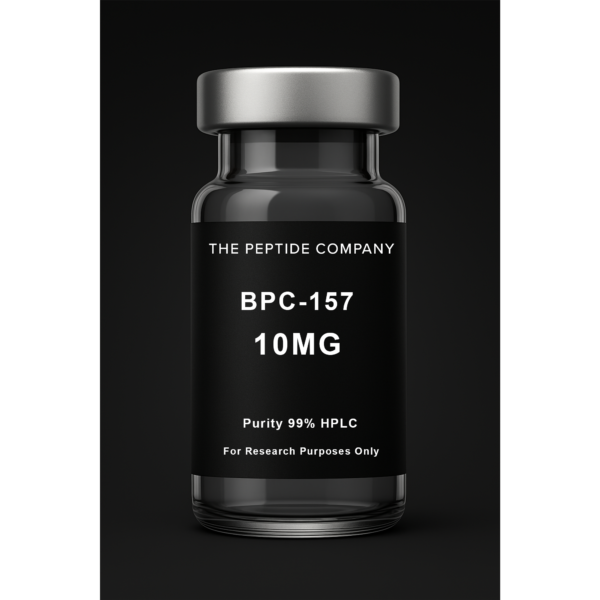
BPC-157 10mg
BPC-157 10mg is a research compound studied for tissue repair signaling, angiogenesis modulation, cell migration pathways, and regenerative mechanism research in laboratory models. For research use only.
Overview
IGF‑1 LR3 (Insulin‑like Growth Factor 1 Long Arg3) is a synthetic analog of endogenous IGF‑1 with an extended half‑life due to modifications at the N‑terminus and a substitution of arginine at position 3. These changes significantly reduce binding to IGF binding proteins, increasing bioavailability and duration of action. IGF‑1 is a potent growth factor involved in cellular proliferation, muscle protein synthesis, and tissue regeneration. LR3 is widely studied in preclinical and laboratory contexts for its extended activity profile.
Mechanism of Action (Research Context)
IGF‑1 LR3 acts primarily through the IGF‑1 receptor (IGF‑1R), a transmembrane tyrosine kinase receptor that activates PI3K/Akt and MAPK pathways. These pathways are crucial for cellular growth, differentiation, and survival. The LR3 modification extends its half‑life from minutes to approximately 20–30 hours, allowing for prolonged receptor activation. This peptide influences myogenesis, satellite cell proliferation, protein synthesis, and tissue repair mechanisms.
Potential Research Benefits (Reported in Literature)
• Muscle growth and repair: IGF‑1 LR3 is frequently studied for its role in stimulating satellite cells, promoting protein synthesis, and supporting muscle hypertrophy in preclinical models.
• Tissue regeneration: Research shows activity in supporting regenerative pathways in skeletal muscle, tendons, and other tissues.
• Enhanced recovery: Prolonged receptor activation has been associated with improved recovery time in models of injury and physical stress.
• Metabolic effects: IGF‑1 influences glucose uptake and insulin sensitivity pathways, making it relevant in metabolic research.
• Neuroprotective properties: Early data suggest IGF‑1 signaling may support neural growth and protection, including modulation of neuroinflammation and apoptosis in experimental settings.
Potential Reported Side Effects / Adverse Events
Reported effects from early human studies and observational contexts include transient hypoglycemia, headache, water retention, joint discomfort, and localized reactions. As IGF‑1 is a potent growth factor, prolonged or uncontrolled exposure may influence cellular proliferation and raise theoretical concerns regarding mitogenic effects. Formal safety and toxicology data remain incomplete.
Reported Findings / Key Points
• IGF‑1 LR3 is a long‑acting analog of IGF‑1 with reduced binding to IGF binding proteins, resulting in increased bioavailability.
• Strongly activates IGF‑1R signaling cascades involved in anabolic and regenerative pathways.
• Preclinical data indicate potential applications in muscle repair, tissue regeneration, and neuroprotection.
• Side effects primarily relate to insulin‑like actions, fluid balance, and mitogenic potential.
• No regulatory approval exists for therapeutic use.
Chemical / Physical Information
• Sequence: 83 amino acids with Arg substitution at position 3 (Long R3 modification) • Approximate molecular weight: ~9111 Da • Class: Synthetic IGF‑1 analog • General handling: store lyophilized at −20 °C, protect from light and moisture; aliquot reconstituted solutions and avoid repeated freeze–thaw cycles.
Notes on Formats Studied
IGF‑1 LR3 has been evaluated in research settings using injectable formulations. No approved human dosing exists. Preclinical protocols vary widely.
Regulatory & Compliance Notes
IGF‑1 LR3 is not approved for therapeutic use by any major health authority. It appears on the WADA Prohibited List under peptide hormones and growth factors. All procurement, storage, and research use must comply with relevant legal and institutional regulations.
References (Selection)
• Le Roith D, et al. ‘Insulin‑like growth factors and their binding proteins.’ Ann N Y Acad Sci. • Shavlakadze T, et al. IGF‑1 signaling in skeletal muscle regeneration. • Velloso CP. Regulation of muscle mass by IGF‑1 signaling pathways. • WADA Prohibited List — Peptide Hormones and Growth Factors.
Disclaimer
This is only intended for research purposes. None of this is intended for human consumption. This is only for educational and informational purposes.
———————————-
Selected References
PMID: 11397942 — IGF-1 LR3 analog activity and extended receptor signaling
PMID: 11875112 — IGF-1–mediated anabolic and regenerative pathways
PMID: 21636535 — Growth-factor signaling in muscle hypertrophy and repair
PMID: 25540140 — Peptide-based modulation of IGF-1 pathways and metabolic effects
Frontiers in Endocrinology — IGF-1 axis regulation and therapeutic applications
Journal of Peptide Science — Growth-factor peptides and anabolic mechanisms
FAQ:
What is IGF-1 LR3?
IGF-1 LR3 is a long-acting analog of insulin-like growth factor-1, designed for extended receptor activity and used in research to study cellular growth, recovery, and metabolic pathways.
How does IGF-1 LR3 work in research studies?
IGF-1 LR3 binds to IGF-1 receptors and downstream signaling pathways such as PI3K-Akt and MAPK, influencing cellular growth, protein synthesis, and nutrient utilization.
Why is IGF-1 LR3 longer-acting than regular IGF-1?
IGF-1 LR3 contains a modified amino-terminal sequence and an extended chain length, reducing its binding to IGF-binding proteins and increasing biological half-life.
What do researchers study IGF-1 LR3 for?
Research explores IGF-1 LR3 in contexts such as muscle cell proliferation, tissue recovery, metabolic function, and cellular signaling efficiency.
Is IGF-1 LR3 approved for medical or consumer use?
No. IGF-1 LR3 discussed here is a research compound and is not approved for therapeutic or general consumer use.
How is IGF-1 LR3 evaluated in laboratory models?
Studies use in vitro cell assays and animal models to measure effects on protein synthesis, nutrient partitioning, growth signaling, and regenerative activity.
What side effects are reported in research models?
Research notes potential insulin-like activity and hypoglycemia-related responses in certain models, but comprehensive human safety is not established.
Related Research Compounds
Sermorelin: GHRH Fragment Research and Growth Hormone Pulsatility Models
IGF-1 Analogues: LR3 and DES Structural Variations and Receptor Binding in Research Models
CJC-1295: GHRH Analog, DAC Conjugation, and Growth Hormone Pulsatility in Research
IGF-1 LR3 1mg
IGF-1 LR3 1mg is a research compound studied for insulin-like growth factor signaling, receptor binding dynamics, and cellular growth pathway mechanisms. For research use only.

GLP-1 Pathway Research: Semaglutide vs Tirzepatide vs Retatrutide
Educational & Research Use Only — Not Medical Advice
Interest in GLP-based peptide therapies has surged in both clinical and research communities.
While semaglutide remains the most widely recognized GLP-1 receptor agonist, newer dual and
triple agonists — tirzepatide and retatrutide — are emerging in the metabolic research space with
promising weight-reduction data.
This article breaks down their mechanisms, reported outcomes, titration protocols, body
composition findings, and side-effect profiles, using published trial data and regulatory
summaries.
1. Mechanisms of Action
Peptide Receptors Targeted Key Mechanisms
Semaglutide GLP-1 Slows gastric emptying,
increases satiety, stimulates
insulin secretion, reduces
appetite.
Tirzepatide GLP-1 + GIP Adds GIP signaling for
amplified incretin effect and
appetite suppression.
Retatrutide GLP-1 + GIP + Glucagon Triple agonism including
glucagon receptor activation
— potential increase in
energy expenditure.
Retatrutide targets more pathways simultaneously, which may partly explain its strong weight
loss signal in trials.
2. Reported Weight Loss Outcomes
These values come from different studies with different designs, populations, and follow-up
lengths. These are not head-to-head trials.
Agent Trial Duration Mean Weight Change
Semaglutide 2.4 mg STEP-1 68 wks−14.9% vs placebo
−2.4%
Tirzepatide 15 mg SURMOUNT-1 72 wks−20.9% vs placebo
−3.1%
Retatrutide Phase 2 48 wks−24.2% (12 mg),
−22.8% (8 mg)
3. Lean Mass & “Catabolic” Context
All GLP-1–based therapies lead to some lean-mass loss, but the majority of weight lost is fat.
Tirzepatide body-composition analysis shows approximately 75% fat and 25% lean mass of the
total weight change. Semaglutide shows similar patterns. Retatrutide has not shown unique lean-
mass sparing — early data indicate similar proportions.
Mitigation strategies often include resistance training and adequate protein intake to preserve lean
tissue during weight reduction.
4. Dose Titration & EscalationAgent Titration Protocol
Semaglutide Stepwise increase every ~4 weeks to 2.4 mg
Tirzepatide Start 2.5 mg → increase stepwise to 15 mg
Retatrutide Phase 2: Stepwise escalation (2→4→8→12
mg) every 4 weeks
No ‘titration-free’ GLP-based agents currently exist. Retatrutide also used gradual escalation.
5. Side Effect Profiles
Most adverse events are dose-related and occur during titration. Common effects include nausea,
vomiting, diarrhea or constipation, abdominal discomfort, headache, and fatigue.
• Tirzepatide: Gallbladder/biliary risk noted in meta-analyses; no significant pancreatitis signal.
• Retatrutide: GI side effects most common; HR elevation peaked at 24 weeks then declined.
• All: carry class warnings related to MTC/MEN2.
6. Beyond Weight Loss
GLP-based therapies have shown improvements in waist circumference, cardiometabolic
markers, insulin sensitivity, and lipid parameters. These effects are dose- and time-dependent.
Weight regain can occur after stopping therapy.
7. Visual Summary — Composition of Weight Change

8. Regulatory & Legal Notes
None of these compounds are approved for unregulated use outside clinical/research settings. All
must be procured, stored, and used in compliance with applicable laws. Retatrutide remains in
clinical development. Semaglutide and tirzepatide have specific FDA labeling for weight
management in defined populations.
9. Key Takeaways
• Mechanism matters: Semaglutide (GLP-1) → Tirzepatide (GLP-1/GIP) → Retatrutide (GLP-
1/GIP/Glucagon)
• Retatrutide shows the largest % reduction at 48 weeks, followed by tirzepatide at 72 weeks, then
semaglutide at 68 weeks.
• All agents show lean-mass loss along with fat loss — retatrutide isn’t exempt.
• All require titration. Side effects are mostly GI-related during dose escalation.
- Semaglutide: STEP-1 trial, NEJM 2021
• Tirzepatide: SURMOUNT-1 trial, NEJM 2022
• Retatrutide: Phase 2 trial, NEJM 2023
• Tirzepatide meta-analysis, Front Endocrinol 2023
• Body composition analyses, labeling data, WADA statements
Disclaimer
This content is for research and educational purposes only. None of this information
constitutes medical advice, diagnosis, or treatment. All research use must comply with relevant laws and regulations
——————————————
Selected References
PMID: 28648825 — GLP-1 receptor agonists and metabolic regulation in obesity and diabetes
PMID: 33428712 — Tirzepatide (GIP/GLP-1 agonist) and enhanced incretin-based weight-loss
PMID: 36526284 — Dual and triple incretin agonists for treatment of obesity and metabolic disease
PMID: 37129948 — Co-agonist peptide therapies targeting GLP-1/GIP/glucagon pathways
Nature Metabolism — Incretin hormone biology and multi-agonist peptide therapeutics
Frontiers in Endocrinology — GLP-1–based multi-receptor agonists in obesity management
FAQ:
What are GLP-1 pathway peptides?
GLP-1 pathway peptides are research compounds that activate the glucagon-like peptide-1 receptor, influencing appetite, gastric emptying, glycemic balance, and metabolic signaling.
How do Semaglutide, Tirzepatide, and Retatrutide differ in research?
Semaglutide is a GLP-1 agonist, Tirzepatide activates both GLP-1 and GIP receptors, and Retatrutide activates GLP-1, GIP, and glucagon receptors, allowing researchers to study multi-pathway metabolic effects.
Why are dual- and triple-agonists important in research?
Adding GIP and glucagon receptor activation enables researchers to explore enhanced energy expenditure, fat oxidation, and glycemic control beyond GLP-1 alone.
Are these compounds approved for general consumer use?
Only certain clinical formulations of GLP-1 agonists are approved for medical use; the research compounds discussed here are not approved for consumer or therapeutic use.
Which pathway is responsible for increased metabolic rate in these studies?
The glucagon receptor, activated in Retatrutide, is most associated with thermogenesis and metabolic rate increases in research settings.
What do researchers measure when comparing these peptides?
Studies often examine appetite markers, glycemic response, insulin sensitivity, lipid metabolism, energy expenditure, and body-composition changes.
Are there known side effects in research models?
Research commonly notes GI-related responses across all incretin-based compounds, though specific effects vary by pathway and dose.
Related Research Compounds
Frag 176–191: Growth Hormone–Derived Fragment and Lipolytic Research Mechanisms
Retatrutide 15mg
Retatrutide 15mg is a research compound studied for multi-receptor metabolic signaling, energy balance regulation, and appetite-related pathway research. For research use only.
Out of stock
Tirzepatide 20mg
Tirzepatide 20mg is a research compound studied for dual incretin signaling pathways, GIP and GLP-1 receptor activation, and metabolic regulation. For research use only.
Overview
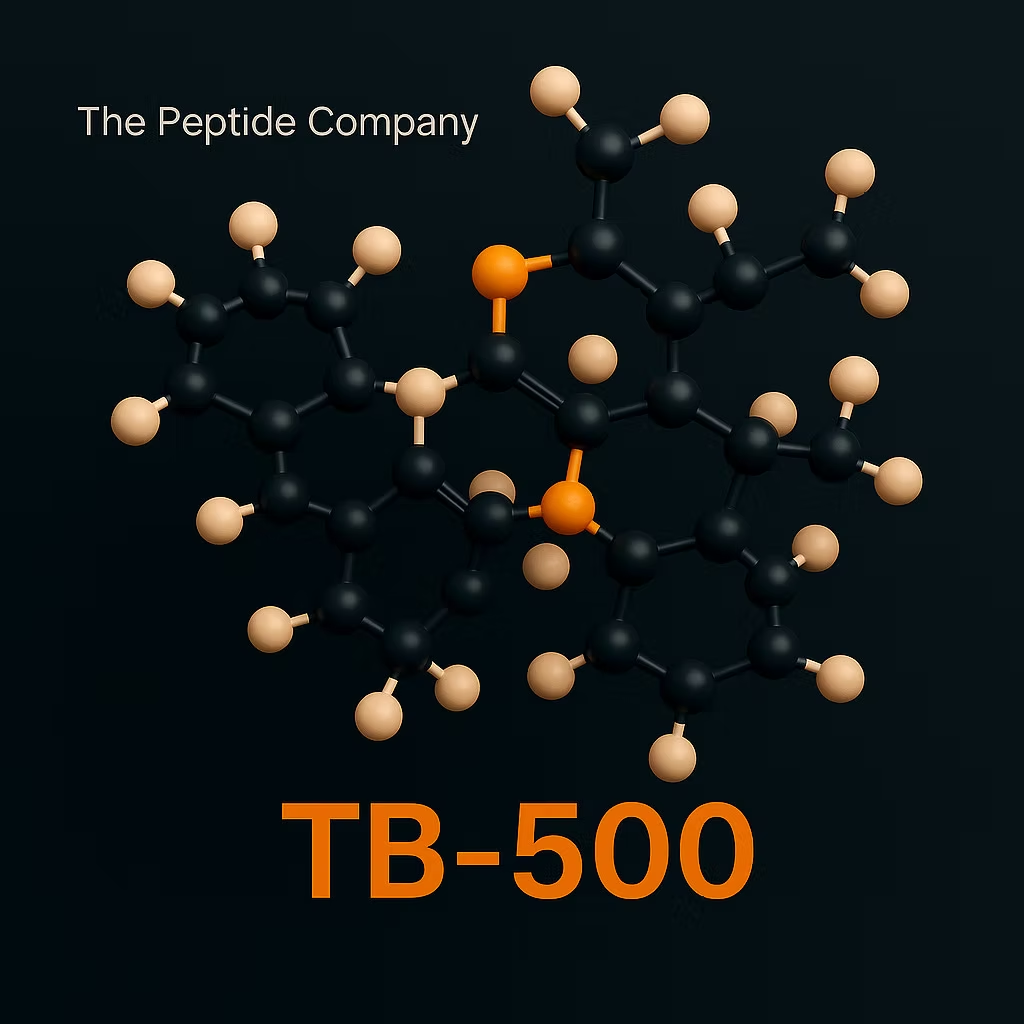
TB-500 is a synthetic peptide fragment derived from thymosin beta-4 (Tβ4), a naturally occurring 43-amino-acid protein found in most tissues and cell types. This peptide fragment was developed to study the regenerative and tissue-healing properties attributed to the parent protein. Research surrounding TB-500 has primarily focused on wound repair, angiogenesis, inflammation modulation, and cellular migration.
Mechanism of Action (Research Context)
Research suggests that TB-500 exerts its biological activity through the regulation of actin polymerization—a critical process in cell motility and tissue remodeling. It enhances keratinocyte and endothelial cell migration, promotes angiogenesis, and aids in cytoskeletal reorganization. Studies have demonstrated its role in upregulating vascular endothelial growth factor (VEGF) expression and modulating inflammation through cytokine pathways.
Potential Research Benefits
• Accelerated wound healing and tissue regeneration in pre-clinical studies• Enhanced angiogenesis and blood vessel formation• Reduced inflammatory response and fibrosis• Improved recovery outcomes in muscle, tendon, and ligament injury models• Investigated for potential cardiac repair properties following ischemic damage
Chemical / Physical Information
• Sequence: Ac-Ser-Asp-Lys-Pro-Asp-Met-Ala-Glu-Ile-Glu-Lys-Phe-Asp-Lys-Ser-Lys-Leu-Lys-Lys-Thr-Glu-Thr-Lys-Leu-Lys-Glu-Val-Thr-Asp• Molecular Weight: Approximately 4964 Da• Solubility: Soluble in sterile water or aqueous buffers• Storage: Lyophilized powder should be stored at -20°C; reconstituted solutions should be aliquoted and frozen to avoid repeated freeze-thaw cycles
Regulatory & Compliance Notes
TB-500 is not approved for therapeutic or medical use by any major regulatory authority. It is intended for research and laboratory investigation only. Procurement, handling, and storage should comply with institutional and legal requirements governing research chemicals.
References
1. Huff T. et al., J Biol Chem. (2001). The role of thymosin beta-4 in actin binding and cell motility.2. Malinda K.M. et al., J Invest Dermatol. (1999). Thymosin beta-4 accelerates wound healing.3. Sosne G. et al., Exp Eye Res. (2002). Anti-inflammatory properties of thymosin beta-4.4. Philp D. et al., Ann N Y Acad Sci. (2012). Angiogenesis and cardiac repair mechanisms of thymosin beta-4.
Disclaimer
This content is intended for research and educational purposes only. TB-500 is not approved for human or veterinary use. All studies and experimental work involving TB-500 should be conducted in compliance with applicable regulations, ethical standards, and laboratory safety protocols.
———————————————–
Selected References
PMID: 18583549 — Thymosin β4–mediated tissue repair and regeneration
PMID: 19189304 — Actin-sequestering peptides in wound healing
PMID: 21440617 — Thymosin β4 pathways in angiogenesis and cellular migration
PMID: 24513106 — Peptide-driven repair mechanisms in musculoskeletal injury
Frontiers in Pharmacology — Regenerative peptides and cytoskeletal modulation
Journal of Peptide Science — Thymosin-derived peptides in tissue recovery
FAQ:
What is TB-500?
TB-500 is a synthetic version of a portion of thymosin beta-4 (Tβ4), studied for its potential roles in cellular migration, tissue repair, and actin regulation in research environments.
How does TB-500 work in research?
Research suggests TB-500 interacts with actin-binding pathways, influencing cell movement, angiogenesis, and regeneration markers in experimental models.
Is TB-500 approved for human or medical use?
No. TB-500 discussed here is a research-only compound and is not approved for therapeutic or consumer use.
What are researchers studying TB-500 for?
Studies explore TB-500 in contexts such as soft tissue repair, inflammation balance, angiogenesis, and cellular migration dynamics.
How is TB-500 different from full Thymosin Beta-4?
TB-500 is a shorter synthetic fragment containing the active region associated with actin modulation, while Tβ4 is a naturally occurring, full-length 43–amino acid peptide.
How is TB-500 evaluated in research settings?
TB-500 is assessed through in vitro assays and animal studies monitoring tissue regeneration, actin expression patterns, and inflammatory markers.
Are there known side effects in TB-500 studies?
Published preclinical data show generally favorable tolerability, but long-term safety profiles are not established.
Related Research Compounds
Bronchogen: Short Peptide Bioregulator for Bronchial and Pulmonary Tissue Research
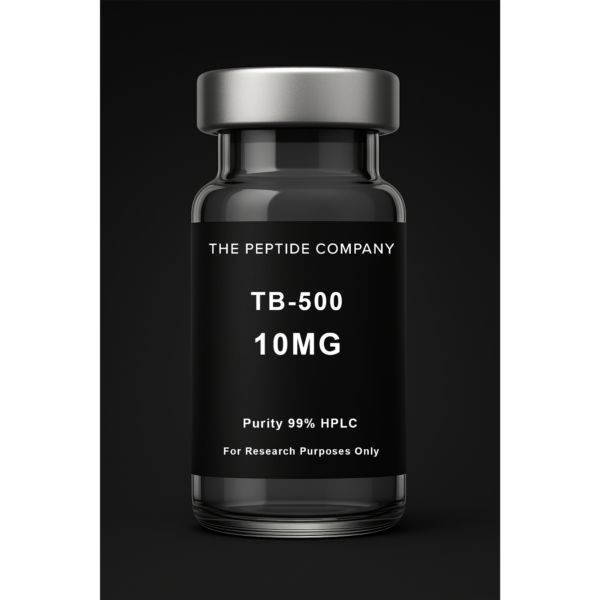
TB-500 10mg
TB-500 10mg is a research compound studied for actin regulation, cell migration dynamics, angiogenesis pathways, and tissue regeneration signaling. For research use only.
Independent research publication focused on peptide innovation, regenerative biology, and skin science.
Overview
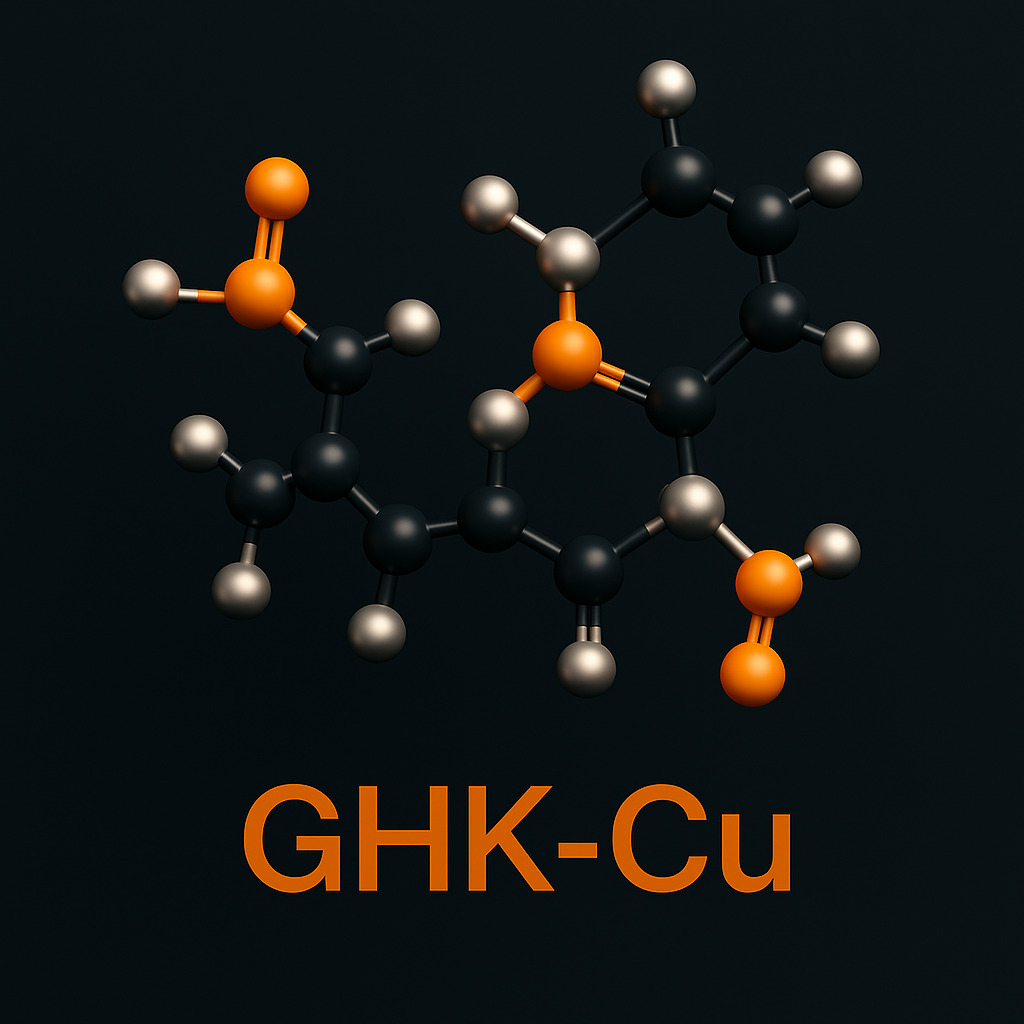
GHK-Cu (glycyl-L-histidyl-L-lysine-copper) is a naturally occurring copper-binding tripeptide first identified in human plasma in the 1970s. It plays a role in tissue remodeling, collagen synthesis, and cellular repair mechanisms. GHK-Cu has been extensively studied in dermatologic, cosmetic, and wound-healing research contexts, where it demonstrates regenerative and anti-inflammatory properties.
Mechanism of Action
GHK-Cu functions as a signaling molecule that modulates gene expression, promoting tissue regeneration and reducing oxidative stress. The peptide binds copper(II) ions, facilitating enzymatic activities crucial for collagen cross-linking, angiogenesis, and antioxidant defense. Research indicates that GHK-Cu influences over 4,000 human genes, upregulating those associated with tissue repair while downregulating inflammatory and fibrosis-related pathways.
Key biological effects reported in studies include:• Activation of dermal fibroblasts, enhancing collagen, elastin, and glycosaminoglycan synthesis• Modulation of matrix metalloproteinases (MMPs) and tissue inhibitors (TIMPs), balancing ECM turnover• Promotion of angiogenesis via vascular endothelial growth factor (VEGF) induction• Upregulation of antioxidant enzymes such as superoxide dismutase (SOD) and catalase• Restoration of hair follicle cycling and dermal papilla activity in scalp models
Potential Research Benefits
• Supports skin remodeling, firmness, and elasticity• Demonstrates wound-healing and scar reduction potential in animal and in vitro models• Stimulates hair follicle activity and anagen-phase reentry• Reduces markers of oxidative stress and inflammation in aging models• Enhances copper-dependent enzymatic processes, including lysyl oxidase and ceruloplasmin activity• Investigated for protective effects against UV-induced DNA damage and oxidative injury
Chemical / Physical Information
• Chemical Name: Glycyl-L-histidyl-L-lysine-copper(II)• Molecular Formula: C14H24N6O4•Cu• Molecular Weight: Approximately 403.9 Da• Appearance: Blue crystalline powder• Solubility: Water soluble• Storage: Lyophilized peptide should be stored at -20 °C protected from light and moisture. Reconstituted solutions should be aliquoted and frozen to prevent repeated freeze–thaw cycles.
Selected Research Highlights
• Clinical and preclinical research demonstrates GHK-Cu’s role in accelerating wound closure and improving skin elasticity.• In fibroblast culture studies, GHK-Cu enhances collagen and elastin synthesis up to 70% over controls.• In animal models, topical GHK-Cu reduced inflammation and fibrosis following injury.• Hair growth research indicates increased follicular cell proliferation and angiogenesis around the follicle bulb.• Transcriptomic analyses have identified widespread genetic modulation associated with cellular regeneration and anti-aging processes.
Regulatory & Compliance Notes
GHK-Cu is not approved for therapeutic or cosmetic use by regulatory authorities in most jurisdictions. It is designated for research and laboratory study only. Handling, procurement, and experimentation should comply with institutional biosafety and legal standards. Proper labeling and documentation are required for research-grade materials.
References (Selection)
1. Pickart L, et al. (1973). A tripeptide from human plasma that binds copper. J Biol Chem.2. Pickart L, Vasquez-Soltero JM, Margolina A. (2015). GHK peptide as a natural modulator of multiple biochemical pathways. BioMed Res Int.3. Maquart FX, et al. (1993). Stimulation of collagen synthesis in fibroblasts by the tripeptide GHK-Cu. FEBS Lett.4. Simeon A, Wegrowski Y. (2000). Expression of extracellular matrix components in fibroblast cultures treated with GHK-Cu. Cell Biol Int.5. Pickart L. (2018). Therapeutic potential of the human peptide GHK-Cu in tissue regeneration and aging. Clin Interv Aging.
Disclaimer
This article is intended for educational and research purposes only. GHK-Cu is not approved for human, cosmetic, or veterinary use. All experiments or studies should follow appropriate regulations, ethical standards, and institutional safety protocols.
—————–
Selected References
PMID: 30730597 — GHK-Cu peptide regulation of gene expression and tissue repair
PMID: 18254838 — Copper peptides in wound healing and skin regeneration
PMID: 20077475 — Anti-inflammatory and antioxidant actions of GHK-Cu
PMID: 25434065 — Peptide-mediated collagen synthesis and dermal remodeling
Frontiers in Molecular Biosciences — Copper-dependent peptide biology
Journal of Peptide Science — Bioactive copper peptides and regeneration mechanisms
FAQ:
What is GHK-Cu?
GHK-Cu is a copper-binding tripeptide, often called copper tripeptide-1, studied for its potential roles in tissue remodeling, cellular signaling, and regenerative pathways in research settings.
How does GHK-Cu work in research?
In studies, GHK-Cu has been shown to interact with copper ions and influence gene expression patterns related to repair, antioxidant defenses, and extracellular matrix components.
Is GHK-Cu approved for medical use?
No. GHK-Cu described here is a research compound and is not approved as a drug or for general therapeutic use.
What are researchers investigating GHK-Cu for?
Research explores GHK-Cu in models of skin integrity, tissue repair, oxidative stress balance, and cellular signaling related to regeneration.
Is GHK-Cu the same as regular copper supplements?
No. GHK-Cu is a specific peptide–copper complex and is distinct from dietary or mineral copper supplements.
How is GHK-Cu typically evaluated in studies?
GHK-Cu is often evaluated in vitro and in animal or ex vivo tissue models that assess gene expression, collagen dynamics, antioxidant responses, and markers of tissue quality.
Are there known side effects of GHK-Cu in research?
Available data suggest generally favorable tolerability in experimental settings, but comprehensive long-term safety for human use has not been established.
Related Research Compounds
Bronchogen: Short Peptide Bioregulator for Bronchial and Pulmonary Tissue Research
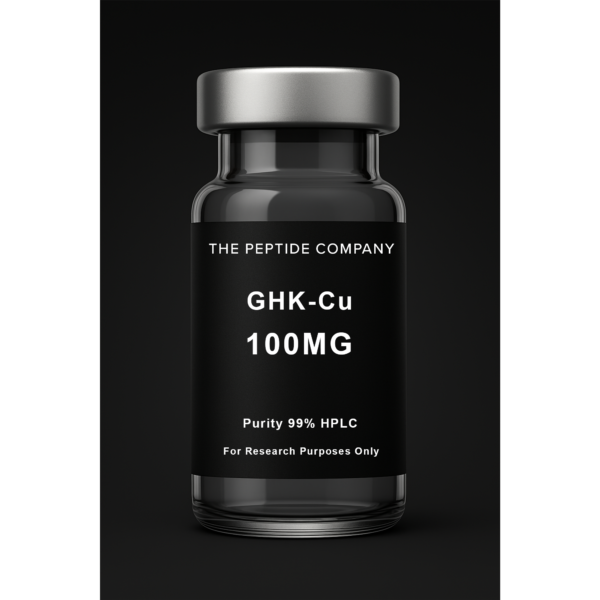
GHK-Cu 100mg
GHK-Cu 100mg is a research compound studied for copper-dependent signaling, extracellular matrix remodeling, and cellular regeneration mechanisms. For research use only.
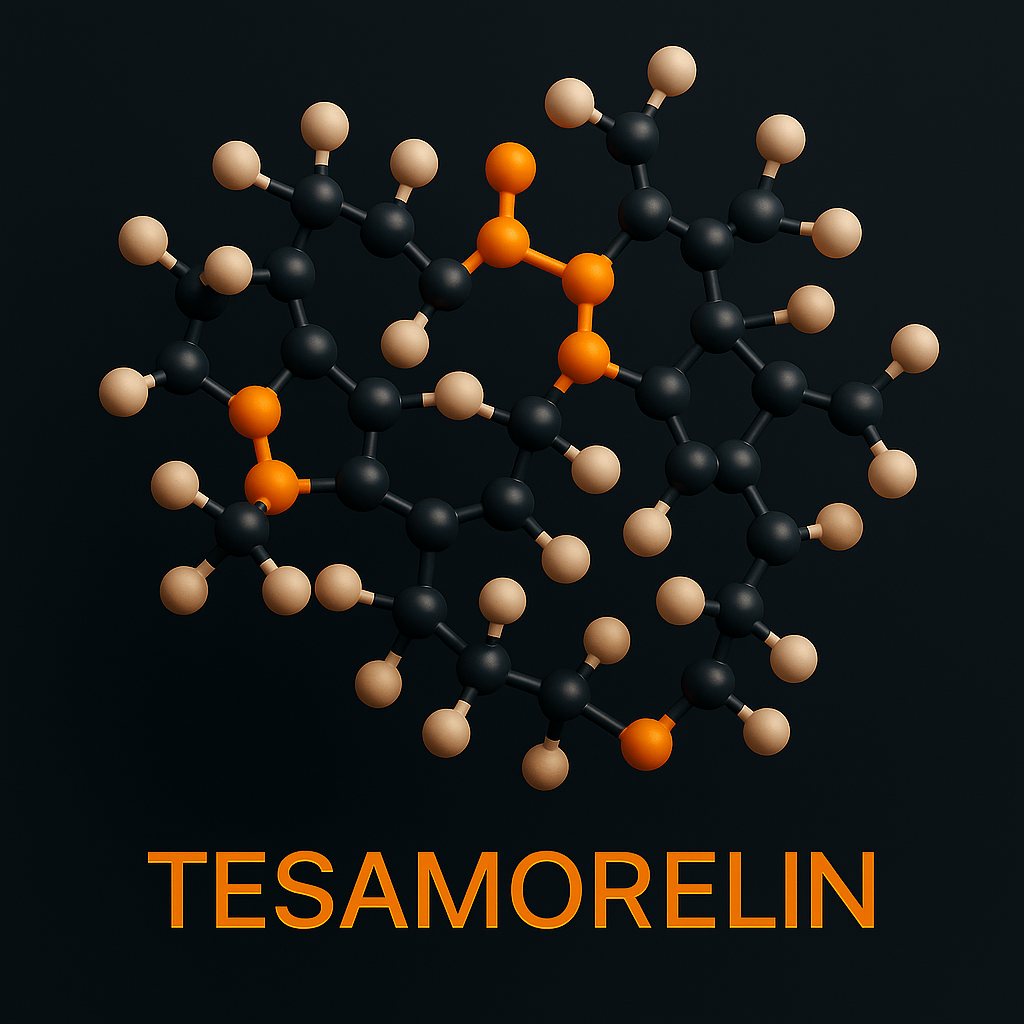
Tesamorelin is a synthetic peptide analog of growth hormone–releasing hormone (GHRH), designed to enhance stability and receptor affinity. It contains 44 amino acids and mimics the native GHRH sequence responsible for stimulating growth hormone (GH) secretion from the anterior pituitary. In research contexts, Tesamorelin is used to investigate body composition, lipid metabolism, visceral adipose tissue (VAT) modulation, and hepatic fat regulation. It is particularly studied for its ability to modulate GH/IGF-1 axis dynamics, serving as a model compound in metabolic and endocrine research.
Mechanism of Action (Research Context)
Tesamorelin binds to GHRH receptors located on pituitary somatotrophs, activating a Gs-coupled signal transduction cascade that stimulates adenylate cyclase activity. This increases cyclic adenosine monophosphate (cAMP) levels, activating protein kinase A (PKA) and promoting growth hormone synthesis and release. The subsequent rise in GH elevates hepatic production of insulin-like growth factor 1 (IGF-1), which mediates downstream anabolic and lipolytic processes. These include enhanced lipolysis, improved lipid turnover, reduced hepatic lipogenesis, and redistribution of adipose tissue — particularly the reduction of visceral fat stores.
Selected Research Highlights
• Visceral Adipose Tissue (VAT): Multiple studies have documented significant VAT reduction measured via MRI or CT after Tesamorelin administration, suggesting its utility in modulating central fat depots.• Liver Fat and NAFLD Research: Data indicate reductions in hepatic fat fraction and improved markers of steatosis, positioning Tesamorelin as a candidate for studying non-alcoholic fatty liver mechanisms.• Lipid Profile Improvements: Studies report reductions in triglycerides and non-HDL cholesterol levels, contributing to improved metabolic biomarkers.• Body Composition: Increases in lean mass and reductions in central adiposity are frequently observed, indicating selective metabolic repartitioning.• Glucose Homeostasis: Generally stable in normoglycemic research subjects, although impaired glucose tolerance may occur in susceptible models — requiring protocol-based monitoring.
Potential Research Benefits (Reported in Literature)
• Model compound to investigate GH/IGF-1 axis function in metabolic studies• Tool for evaluating visceral adiposity and ectopic fat distribution• Research on GH-mediated lipid oxidation and metabolic rate enhancement• Comparative framework against GLP-1 and GIP-based incretin mechanisms• Investigations into the link between GH axis modulation and hepatic fat metabolism• Potential exploration in muscle anabolic signaling and body composition optimization
Chemical / Physical Information
• Sequence: A 44–amino acid peptide analog of GHRH• Class: GHRH receptor agonist• Molecular Weight: Approximately 5,117 Da• Appearance: White lyophilized powder• Solubility: Water soluble• Storage: Lyophilized at -20 °C, protected from light and moisture; reconstituted solutions should be aliquoted and frozen to prevent repeated freeze–thaw cycles.
Study Design Notes (Research Context)
Research protocols commonly employ subcutaneous administration, with dosing frequencies ranging from daily to every other day, depending on study objectives. Endpoints include MRI-based VAT quantification, hepatic proton-density fat fraction (PDFF) assessment, lipid panel evaluation, IGF-1 measurement, and quality-of-life metrics. Trial durations typically range from 12 to 52 weeks, with continued effects dependent on sustained GH stimulation.
Safety / Tolerability (Reported in Literature)
• Common Observations: Mild injection-site reactions (erythema, pruritus), edema, arthralgia, and transient headache.• Endocrine Responses: Predictable rise in IGF-1 levels proportional to GH induction.• Glucose Effects: Transient glucose intolerance or insulin resistance observed in subsets; standard monitoring protocols mitigate risk.• Cardiometabolic Profile: Generally well tolerated, with no major cardiovascular signal in short-term studies.• Research Screening: Typical exclusion criteria include active malignancy, uncontrolled diabetes, and pregnancy, aligning with GH/IGF-1 biology.
Regulatory & Compliance Notes
Tesamorelin is approved in specific jurisdictions for clinical indications but is otherwise designated as a research-grade compound in laboratory settings. Procurement, handling, and research use must follow all applicable institutional and legal standards. Laboratories should maintain compliance documentation, including certificates of analysis (COAs) and material safety data sheets (MSDS).
References (Selection)
1. Falutz J, et al. (2005). Effects of Tesamorelin, a Growth Hormone–Releasing Factor Analog, in Individuals with Central Fat Accumulation. J Clin Endocrinol Metab.2. Stanley TL, et al. (2019). Tesamorelin Reduces Liver Fat and Fibrosis in Patients with NAFLD. Lancet Diabetes Endocrinol.3. Gelato MC, et al. (2008). Growth Hormone-Releasing Factor Analog Effects on Body Composition and Metabolism. Metabolism.4. Falutz J, et al. (2010). Long-Term Effects of Tesamorelin on Visceral Adipose Tissue. J Clin Endocrinol Metab.5. Stanley TL, et al. (2021). Comparative Metabolic Outcomes Following Tesamorelin in Obesity Research. Obesity (Silver Spring).
Disclaimer
This publication is intended for educational and research purposes only. Tesamorelin is not approved herein for human or veterinary use. All studies and experiments involving Tesamorelin must adhere to institutional biosafety, ethical, and legal requirements governing peptide research. ——————————————
Selected References
PMID: 21098782 — Tesamorelin effects on IGF-1 and metabolic regulation
PMID: 20826578 — GHRH analogs and body composition changes
PMID: 21753056 — Tesamorelin’s impact on visceral adipose tissue reduction
PMID: 25826926 — Long-term metabolic and endocrine outcomes of GHRH analog therapy
Journal of Clinical Endocrinology & Metabolism — GHRH analog mechanisms and applications
Frontiers in Endocrinology — Growth hormone axis modulation in metabolic disease
FAQ:
What is Tesamorelin?
Tesamorelin is a synthetic growth hormone–releasing hormone (GHRH) analog studied for its ability to stimulate endogenous GH secretion and influence metabolic biomarkers in research settings.
How does Tesamorelin work in research?
Tesamorelin binds to GHRH receptors, increasing pulsatile GH release, which may affect IGF-1 levels, lipolysis, and lipid metabolism in experimental models.
Is Tesamorelin approved for human use?
Clinical Tesamorelin exists for specific medical indications, but the Tesamorelin discussed in research contexts is not approved for general consumer use.
What are researchers studying Tesamorelin for?
Research explores Tesamorelin for visceral fat metabolism, GH/IGF-1 pathway activation, metabolic health markers, and body composition changes.
Does Tesamorelin affect IGF-1 levels?
Yes, studies frequently report increases in IGF-1 as a downstream effect of enhanced endogenous GH release.
How is Tesamorelin different from CJC-1295 or Sermorelin?
Tesamorelin is a full GHRH analog with a different structure and receptor interaction, producing distinct GH pulse patterns compared to shorter GHRH fragments or GHRP compounds.
Are there known side effects in Tesamorelin research?
Research models note possible responses such as injection site irritation or transient GH-related effects, though safety varies by study design.
Related Research Compounds
Frag 176–191: Growth Hormone–Derived Fragment and Lipolytic Research Mechanisms
Sermorelin: GHRH Fragment Research and Growth Hormone Pulsatility Models
IGF-1 Analogues: LR3 and DES Structural Variations and Receptor Binding in Research Models
CJC-1295: GHRH Analog, DAC Conjugation, and Growth Hormone Pulsatility in Research

Tesamorelin 10mg
Tesamorelin 10mg is a GHRH analog research compound studied for growth hormone axis signaling, endocrine pathway modulation, and metabolic regulation. For research use only.
Retatrutide is an investigational multi-receptor agonist peptide designed to target three key incretin and energy-regulating pathways simultaneously: glucagon-like peptide-1 (GLP-1), glucose-dependent insulinotropic polypeptide (GIP), and glucagon receptors. By integrating agonism at these receptors in a single molecule, retatrutide has emerged as a model compound for studying aggressive body weight reduction, enhanced energy expenditure, and complex metabolic remodeling in research settings. Early clinical investigations have reported substantial reductions in body weight and adiposity, positioning retatrutide as a next-generation tool for exploring obesity and metabolic disease biology.
Mechanism of Action (Research Context)
Retatrutide engages GLP-1, GIP, and glucagon receptors with engineered potency ratios. GLP-1 receptor activation enhances glucose-dependent insulin secretion, slows gastric emptying, and promotes satiety via central and peripheral pathways. GIP receptor activation augments insulinotropic responses and may influence adipocyte biology, lipid uptake, and remodeling of adipose depots. Glucagon receptor activation increases hepatic glucose production but also stimulates energy expenditure, lipolysis, and fatty acid oxidation. The combined signaling produces a coordinated shift toward negative energy balance, reduced caloric intake, and increased utilization of stored fat.
On a cellular level, all three receptors primarily signal through cyclic AMP (cAMP) and protein kinase A (PKA), modulating downstream transcriptional programs in pancreatic islets, hepatocytes, adipocytes, and neurons within hypothalamic appetite-regulation centers. The triple-agonist design aims to capture the glucoregulatory and anorectic benefits of incretin signaling while leveraging glucagon’s thermogenic and lipid-oxidative properties.
Clinical and Research Data (Summary)
Phase 2 obesity trials of retatrutide have reported large, dose-dependent reductions in body weight over treatment periods approaching 48 weeks. A high proportion of participants achieved double-digit percent weight loss, with a subset reaching or exceeding thresholds commonly associated with bariatric-level outcomes. Reductions in waist circumference, visceral adipose tissue, and total fat mass have been documented by imaging-based assessments.
Beyond body weight, retatrutide has demonstrated favorable effects on multiple cardiometabolic markers in research cohorts. These include improvements in fasting glucose, HbA1c in individuals with dysglycemia, reductions in triglycerides and non–HDL cholesterol, and modest decreases in blood pressure. Body-composition data suggest that the majority of weight loss is attributable to fat-mass reduction, with a smaller but measurable loss of lean mass—patterns broadly similar to other potent weight-loss agents.
Metabolic Implications (Research Context)
Retatrutide provides a platform for interrogating how multi-receptor agonism reshapes energy homeostasis beyond what is observed with single- or dual-receptor agonists. The compound’s glucagon component appears to contribute to increased energy expenditure and lipid oxidation, potentially attenuating the typical adaptive declines in resting metabolic rate seen with weight loss. Ongoing research aims to clarify how these effects translate into durability of weight reduction and maintenance of cardiometabolic benefits after treatment cessation.
Investigators are also exploring the impact of retatrutide on ectopic fat depots such as hepatic and intramyocellular fat, as well as its influence on inflammatory markers, adipokine profiles, and surrogate indicators of cardiovascular risk. The integration of GLP-1, GIP, and glucagon biology in a single molecule makes retatrutide a useful tool for dissecting mechanistic questions at the interface of obesity, diabetes, and cardiovascular medicine.
Safety and Tolerability (Reported in Trials)
Consistent with other incretin-based therapies, gastrointestinal events are the most commonly reported adverse effects in retatrutide studies. These include nausea, vomiting, diarrhea, constipation, abdominal discomfort, and decreased appetite. Events are typically mild to moderate, dose-related, and most frequent during the titration phase.
Additional reported effects include fatigue, headache, and injection-site reactions. Because of glucagon receptor engagement and the degree of weight loss observed, research protocols incorporate monitoring of heart rate, blood pressure, glycemic control, and gallbladder-related events. Serious adverse events have been uncommon in early-phase trials, but comprehensive long-term safety evaluation is ongoing.
Chemical / Physical Information
• Class: Triple agonist peptide targeting GLP-1, GIP, and glucagon receptors• Structure: Modified peptide sequence with substitutions and extensions to confer multi-receptor affinity and prolonged half-life• Molecular Weight: Peptide-range in the low kilodalton scale (exact value is formulation-specific)• Physical Form: Typically supplied as a sterile lyophilized powder• Solubility: Readily soluble in aqueous buffers under appropriate conditions• Storage: Lyophilized material generally stored at -20 °C or below, protected from light and moisture; reconstituted solutions should be aliquoted and frozen to avoid repeated freeze–thaw cycles.
Study Design Notes (Research Context)
Clinical research designs for retatrutide employ subcutaneous administration with stepwise dose escalation to optimize tolerability. Primary efficacy endpoints typically include percent change in body weight and the proportion of participants achieving prespecified weight-loss thresholds. Secondary endpoints encompass changes in waist circumference, blood pressure, glucose and lipid parameters, and quality-of-life measures.
Exploratory analyses often utilize body-composition imaging such as dual-energy X-ray absorptiometry (DXA) or magnetic resonance imaging (MRI) to characterize fat-mass and lean-mass changes, including visceral and hepatic fat depots. Some protocols incorporate indirect calorimetry or related techniques to assess resting energy expenditure and substrate utilization.
Regulatory and Compliance Notes
Retatrutide remains an investigational compound and is not approved for therapeutic use by major regulatory agencies at the time of this writing. Its use is limited to controlled research environments under appropriate regulatory and ethical oversight. Procurement and handling should follow institutional policies for investigational agents, including maintenance of certificates of analysis and adherence to applicable safety guidelines.
References (Selection)
1. Early-phase clinical trials evaluating GLP-1/GIP/glucagon triple agonists for obesity and metabolic disease.2. Mechanistic reviews on incretin and glucagon receptor signaling in energy balance and glucose homeostasis.3. Body-composition studies using imaging to quantify fat and lean mass changes under multi-receptor agonist therapy.4. Articles discussing adaptive thermogenesis and resting energy expenditure in response to pharmacologic weight loss.5. Safety and tolerability summaries of investigational triple-agonist peptides in human subjects.
Disclaimer
This article is intended for educational and research purposes only. Retatrutide is not approved for human or veterinary use outside of regulated clinical research. All experiments and studies involving investigational peptides must comply with applicable laws, institutional requirements, and ethical standards.
——————————-
Selected References
PMID: 37269342 — Triple-agonist peptide mechanisms for obesity and metabolic disease
PMID: 35732869 — GLP-1/GIP/glucagon receptor co-activation and energy balance
PMID: 37129948 — Multi-agonist incretin therapies and weight-loss efficacy
PMID: 36002650 — Peptide-based metabolic modulation and glycemic control
Nature Metabolism — Incretin biology and metabolic peptide therapeutics
Frontiers in Endocrinology — Multi-agonist pathways in obesity treatment
FAQ:
What is Retatrutide?
Retatrutide is a triple-agonist research compound that activates GLP-1, GIP, and glucagon receptors, studied for its metabolic and energy-balance effects.
How does Retatrutide work in research?
Retatrutide stimulates three metabolic pathways simultaneously—GLP-1 for appetite regulation, GIP for insulin response, and glucagon receptors for increased energy expenditure.
Is Retatrutide approved for human use?
No. Retatrutide discussed here is for research purposes only and is not approved for consumer or therapeutic use.
What are researchers studying Retatrutide for?
Research explores Retatrutide for multi-pathway metabolic regulation, energy expenditure, weight management models, glycemic control, and lipid metabolism.
How is Retatrutide different from GLP-1–only compounds?
Unlike GLP-1–only agonists, Retatrutide targets three receptors simultaneously, allowing studies to examine broader metabolic effects, including thermogenesis and fat oxidation.
Does Retatrutide increase metabolic rate in studies?
Early research suggests Retatrutide may elevate energy expenditure due to glucagon receptor activation, but findings remain preclinical.
Are there known side effects in Retatrutide research?
Reported effects vary depending on the model, but may include gastrointestinal responses similar to other incretin-based compounds. Comprehensive safety is still under study.
Related Research Compounds:
GLP-1 Pathway Peptides: Comparative Research on Semaglutide, Tirzepatide & Retatrutide
Frag 176–191: Growth Hormone–Derived Fragment and Lipolytic Research Mechanisms
Retatrutide 15mg
Retatrutide 15mg is a research compound studied for multi-receptor metabolic signaling, energy balance regulation, and appetite-related pathway research. For research use only.
Out of stock
Overview
Dihexa (N-hexanoic-Tyr-Ile-(6) aminohexanoic amide) is a synthetic peptide derivative of Angiotensin IV, designed to study neurotrophic and cognitive-enhancing properties.
Developed by researchers at Washington State University, Dihexa was engineered to overcome limitations in stability and blood–brain-barrier permeability associated with native neuropeptides.
In research contexts, Dihexa has been shown to enhance synaptogenesis, neuronal connectivity, and cognitive performance in animal models, positioning it as a key compound of interest in neurodegenerative and regenerative neuroscience.
Mechanism of Action (Research Context)
Dihexa functions primarily through potentiation of the hepatocyte growth factor (HGF) and c-Met receptor signaling pathway.
This pathway is associated with neuronal survival, differentiation, and synaptic plasticity.
By enhancing the binding affinity between HGF and its receptor c-Met, Dihexa promotes downstream activation of key intracellular cascades, including PI3K/Akt and MAPK/ERK.
These cascades are critical regulators of neurogenesis, dendritic arborization, and synaptic repair.
In preclinical models, Dihexa has demonstrated robust synaptogenic activity, leading to the formation of new dendritic spines and restoration of synaptic density in hippocampal neurons.
This distinguishes Dihexa from traditional cognitive enhancers that modulate neurotransmitter signaling without structural neural regeneration.
Its lipid-soluble structure allows it to cross the blood–brain barrier efficiently, expanding its utility for central nervous system (CNS) research.
Potential Research Benefits (Reported in Literature)
• Promotes synaptogenesis and dendritic spine density in hippocampal neurons
• Enhances cognitive performance and memory retention in preclinical models
• Exhibits neuroprotective effects against oxidative and excitotoxic stress
• Supports neuronal survival and synaptic maintenance in neurodegenerative conditions
• Investigated for applications in Alzheimer’s disease, traumatic brain injury (TBI), and cognitive decline
• Activates HGF/c-Met signaling with low off-target activity in vitro
Selected Research Highlights
• Synaptic Plasticity: In vitro studies show that Dihexa increases synapse formation and improves functional connectivity within hippocampal networks.
• Cognitive Enhancement: Animal models demonstrate significant improvements in maze learning and object-recognition tasks, indicating enhanced long-term potentiation (LTP).
• Neuroprotection: Dihexa-treated neurons exhibit resistance to glutamate-induced excitotoxicity and oxidative damage.
• Regenerative Mechanism: Unlike acetylcholinesterase inhibitors or AMPA modulators, Dihexa repairs neuronal architecture rather than temporarily altering neurotransmission.
Chemical / Physical Information
• Chemical Name: N-hexanoic-Tyr-Ile-(6) aminohexanoic amide
• Molecular Formula: C₃₉H₆₆N₆O₆
• Molecular Weight: ~718.98 Da
• Appearance: White crystalline powder
• Solubility: Soluble in DMSO and ethanol; limited solubility in water
• Storage: Lyophilized powder should be stored at −20 °C, protected from light and moisture; reconstituted solutions should be aliquoted and frozen to prevent repeated freeze–thaw cycles.
Regulatory & Compliance Notes
Dihexa is not approved for therapeutic or clinical use by major regulatory agencies.
It is intended solely for research and laboratory applications.
Proper handling requires adherence to institutional biosafety protocols and compliance with relevant chemical-storage and documentation standards, including Certificates of Analysis (COA) and Material Safety Data Sheets (MSDS).
References (Selection)
- Benoist CC et al. (2014). The neurotrophic compound Dihexa enhances synaptogenesis and improves cognitive function. J Pharmacol Exp Ther.
- Wright JW, Harding JW. (2015). The brain angiotensin system and Dihexa in neuroregeneration. Front Neurosci.
- McCoy AT et al. (2013). HGF/c-Met-mediated synaptic plasticity and neuroprotection. Neuroscience.
- Wright JW et al. (2016). Angiotensin IV analogs as cognitive enhancers and neuroregenerative agents. Curr Med Chem.
- Chen Q et al. (2017). Peptide-based strategies targeting neurotrophic signaling for CNS repair. Brain Res Bull.
Disclaimer
This article is intended for educational and research purposes only.
Dihexa is not approved for human or veterinary use.
All experiments and studies must comply with institutional, ethical, and legal standards for peptide research and biosafety.
—————————
Selected References
PMID: 23995713 — Dihexa-induced synaptogenesis and cognitive enhancement
PMID: 18603278 — HGF/c-Met pathway activation in neural repair
PMID: 23727840 — Neurotrophic peptide mechanisms and synaptic plasticity
PMID: 29224772 — Peptide-based strategies for CNS regeneration
Frontiers in Neuroscience — Peptide modulation of memory and cognition
Journal of Peptide Science — Neuroactive peptides and brain repair mechanisms
FAQ:
What is Dihexa?
Dihexa is a small molecule derivative of angiotensin IV studied for its potential effects on synaptic formation, cognitive pathways, and neural repair in research environments.
How does Dihexa work in research models?
Dihexa is believed to enhance synaptic connectivity by modulating hepatocyte growth factor (HGF) and c-Met signaling, pathways associated with neuronal plasticity.
Is Dihexa approved for human use?
No. Dihexa is an experimental research compound and is not approved for medical, therapeutic, or consumer use.
What are researchers studying Dihexa for?
Research explores Dihexa for cognitive support, neuroplasticity, neural repair, memory enhancement, and models of neurodegenerative processes.
Does Dihexa cross the blood–brain barrier?
Preclinical findings indicate Dihexa may cross the blood–brain barrier efficiently, which is one reason it is highlighted in neural repair research.
Are there known side effects of Dihexa in studies?
Available research is limited, but some studies report no significant acute toxicity; however, long-term safety has not been established.
How is Dihexa typically evaluated in research?
Dihexa is studied in vitro and in animal models that monitor synaptic density, cognitive performance markers, and molecular signaling pathways.
Related Searches:
Semax: ACTH(4–10)-Derived Heptapeptide and Neurotrophic Research Pathways

Overview
BAM15 (N5,N6-bis(2-fluorophenyl)[1,2,5]oxadiazolo[3,4-b]pyrazine-5,6-diamine) is a synthetic small molecule identified as a mitochondrial protonophore.
Originally discovered through high-throughput screening for mitochondrial modulators, BAM15 functions as a selective mitochondrial uncoupler, separating electron transport from ATP synthesis.
In research settings, this compound has been used to explore energy expenditure, fat oxidation, metabolic flexibility, and mitochondrial efficiency, offering a controlled method to increase caloric utilization without increasing food intake.
Preclinical models suggest BAM15 increases resting energy expenditure, decreases hepatic steatosis, improves insulin sensitivity, and alters lipid metabolism — making it a potent tool for studying obesity, type 2 diabetes, and aging biology.
Mechanism of Action (Research Context)
BAM15 acts as a protonophore, meaning it facilitates proton (H⁺) transport across the mitochondrial inner membrane independent of ATP synthase.
Under normal conditions, mitochondria create a proton gradient (Δψ) to power oxidative phosphorylation and ATP production.
By dissipating this gradient, BAM15 uncouples substrate oxidation from ATP generation, forcing the mitochondria to oxidize more fuel substrates (fatty acids and glucose) to maintain energy balance.
This increased proton leak leads to higher oxygen consumption and heat generation, a process known as mitochondrial uncoupling–induced thermogenesis.
Unlike earlier uncouplers such as DNP (2,4-dinitrophenol), BAM15 demonstrates selectivity and safety advantages in preclinical models — showing no significant rise in body temperature or systemic toxicity at experimental doses.
On a molecular level:
- BAM15 integrates within the mitochondrial inner membrane lipid bilayer.
- It transports protons via reversible ion-shuttling, collapsing the proton motive force.
- This elevates substrate oxidation, increases NADH turnover, and enhances mitochondrial respiration.
These properties make BAM15 an important research probe for studying bioenergetic efficiency, mitochondrial stress adaptation, and metabolic signaling pathways such as AMPK and PGC-1α.
Potential Research Benefits (Reported in Literature)
• Increases whole-body energy expenditure and fat oxidation without hyperthermia
• Improves insulin sensitivity and glucose tolerance in diet-induced obese models
• Reduces hepatic steatosis and adiposity in rodent studies
• Enhances mitochondrial respiratory capacity and turnover of defective mitochondria
• Lowers reactive oxygen species (ROS) accumulation by optimizing electron transport efficiency
• Demonstrates lifespan-extension potential in some cellular aging models
• Offers a tool to study non-hormonal thermogenic mechanisms independent of adrenergic signaling
Selected Research Highlights
• Energy Expenditure: BAM15 increased oxygen consumption rate (OCR) and resting metabolic rate in murine studies without altering food intake or causing febrile responses.
• Liver Fat Reduction: Rodents fed high-fat diets and treated with BAM15 displayed reduced hepatic triglyceride accumulation and improved hepatic insulin signaling.
• Insulin Sensitivity: HOMA-IR and glucose-tolerance testing improved significantly in BAM15-treated groups, correlating with enhanced mitochondrial oxidation.
• Mitochondrial Health: Research indicates improved mitochondrial dynamics, with increased biogenesis markers (PGC-1α, NRF-1) and reduced fission protein expression (DRP1).
• Safety Profile: Unlike older uncouplers, BAM15 did not significantly elevate body temperature, demonstrating a more favorable margin between efficacy and thermogenic toxicity.
Chemical / Physical Information
• Chemical Name: N5,N6-bis(2-fluorophenyl)[1,2,5]oxadiazolo[3,4-b]pyrazine-5,6-diamine
• Molecular Formula: C₁₄H₁₀F₂N₆O₂
• Molecular Weight: 332.27 Da
• Appearance: Pale yellow crystalline solid
• Solubility: Soluble in DMSO and ethanol; sparingly soluble in water
• Storage: Store at −20 °C protected from light and moisture; for extended storage, maintain under inert gas.
Reconstituted solutions should be aliquoted and frozen to prevent repeated freeze–thaw cycles.
Metabolic Implications (Research Context)
BAM15 has provided researchers with a model to explore controlled mitochondrial inefficiency as a therapeutic strategy.
By modestly reducing ATP yield per molecule of substrate oxidized, BAM15 increases caloric dissipation as heat — effectively “wasting” energy to rebalance metabolic homeostasis.
This mechanism allows investigation into:
- Adipose tissue thermogenesis independent of β-adrenergic stimulation
- Hepatic lipid oxidation and non-alcoholic fatty liver disease (NAFLD) models
- Muscle mitochondrial turnover and metabolic flexibility
- Mitochondrial hormesis — the adaptive benefits of mild mitochondrial stress
The uncoupling process also activates AMP-activated protein kinase (AMPK) and downstream mitochondrial biogenesis pathways, offering a valuable tool for studying exercise-mimetic or calorie-restriction-mimetic mechanisms.
Regulatory & Compliance Notes
BAM15 is an experimental compound and is not approved for therapeutic or dietary use by any regulatory authority.
All handling and application must be confined to controlled laboratory environments under institutional safety oversight.
Documentation such as Certificates of Analysis (COA) and Material Safety Data Sheets (MSDS) should accompany all research-grade material.
References (Selection)
- Alexopoulos SJ et al. (2020). Mitochondrial uncoupler BAM15 reverses obesity and insulin resistance in mice. Nature Communications.
- Gao AW, et al. (2021). Mitochondrial uncoupling as a strategy for metabolic disease: lessons from BAM15. Cell Metabolism.
- Mills EL, et al. (2020). Uncoupling mitochondrial respiration in metabolic research: mechanistic insights from BAM15. J Biol Chem.
- Krahmer N, et al. (2022). Mitochondrial efficiency and thermogenesis under BAM15-induced proton leak. EMBO Reports.
- Wallace DC. (2023). Mitochondrial bioenergetics in aging and disease: uncouplers and beyond. Trends Endocrinol Metab.
Disclaimer
This publication is intended for educational and research purposes only.
BAM15 is not approved for human or veterinary use.
All research must adhere to institutional biosafety and ethical standards governing chemical handling, metabolic studies, and mitochondrial research.
——————————
Selected References
PMID: 32395069 — Mitochondrial uncouplers and metabolic modulation
PMID: 31594992 — BAM15 mechanisms in energy expenditure
PMID: 33093089 — Uncoupling agents and obesity/metabolic regulation
PMID: 30728358 — Mitochondrial-targeted therapeutics in metabolism
Frontiers in Endocrinology — Mitochondrial bioenergetics and metabolic control
Journal of Biological Chemistry — Uncoupling-driven energy metabolism
FAQ:
What is BAM15?
BAM15 is a mitochondrial protonophore studied for its ability to uncouple oxidative phosphorylation and influence metabolic energy expenditure in research models.
How does BAM15 work in research?
BAM15 disrupts the mitochondrial proton gradient, increasing energy expenditure without directly impacting appetite or food intake in experimental systems.
Is BAM15 approved for human use?
No. BAM15 is strictly a research compound and is not approved for clinical, therapeutic, or consumer use.
What are researchers studying BAM15 for?
Research explores BAM15 in contexts such as metabolic rate modulation, obesity models, thermogenesis, and mitochondrial function.
Does BAM15 affect muscle tissue or lean mass?
Studies suggest that BAM15 may increase metabolic activity without significantly reducing lean mass, though findings are limited to preclinical models.
How is BAM15 typically evaluated in research?
BAM15 is assessed using controlled laboratory experiments that monitor mitochondrial activity, metabolic rate, and energy balance.
Does BAM15 have known side effects in studies?
Some experimental data show tolerability within certain dosage ranges, but comprehensive safety profiles are not established.
Related Research Compounds
MOTS-c: The Mitochondrial-Encoded Peptide for Metabolic Regulation and Cellular Resilience
NMN: NAD⁺ Precursor Biology, Cellular Metabolism, and Mitochondrial Research