
Introduction
Insulin-like Growth Factor-1 (IGF-1) is a central mediator of growth hormone (GH) signaling involved in tissue growth, cellular repair, metabolic function, and proliferation. Two widely examined analogues—IGF-1 LR3 and IGF-1 DES—help researchers study how structural modifications influence receptor activation, signaling duration, and tissue-specific responses. This article outlines IGF-1 biology followed by detailed sections on LR3 and DES, written strictly from a mechanistic, research-based perspective.
What Is IGF 1?
IGF-1 is a peptide hormone produced primarily in the liver in response to GH stimulation. It activates IGF-1 receptors (IGF-1R) and, to a lesser extent, insulin receptors (IR). Its downstream effects operate through the PI3K–AKT, MAPK, and mTOR pathways, influencing metabolism, survival, and growth. Because native IGF-1 is regulated by IGF binding proteins (IGFBPs), analogues offer a controlled way to study IGF-1R-specific activity.
LR3 IGF-1: Structural Modification and Extended Activity
IGF-1 LR3 features a 13-amino-acid N-terminal extension and a substitution of arginine at position 3. These modifications significantly reduce IGFBP binding, increasing receptor availability and extending activity. In research settings, LR3 allows long-duration IGF-1R stimulation and activation of PI3K-AKT, MAPK, and mTOR pathways under reduced IGFBP interference.
IGF-1 DES (1–3 IGF-1): Truncated Analogue With Enhanced Local Activity
IGF-1 DES lacks the first three amino acids of the IGF-1 sequence, further decreasing IGFBP binding. This analogue produces rapid and localized IGF-1R activation with a shorter activity period. Its strong local receptor affinity makes DES useful for studying tissue-specific IGF-1 effects and acute signaling responses.
Mechanistic Comparison
LR3 and DES share the same receptor target (IGF-1R) but differ in duration, IGFBP interaction, and tissue penetration. LR3 provides sustained receptor access and broad exposure, while DES offers intense, localized IGF-1R activation for shorter intervals. Both contribute complementary insights into IGF-1’s biological roles in controlled research environments.
IGF-1R Signaling Overview
IGF-1R engagement activates multiple intracellular pathways:• PI3K → AKT (survival, glucose metabolism) • RAS → MAPK (growth, differentiation) • mTOR (protein synthesis, anabolic signaling) • IRS-1/2 (insulin/IGF cross-talk)These pathways underpin IGF-1’s metabolic and growth-regulating effects in research models.
Summary
IGF‑1 analogues such as LR3 and DES help researchers examine how structural modifications influence receptor engagement, signaling intensity, and tissue specificity. LR3 provides sustained IGF‑1R signaling due to reduced IGFBP interaction, while DES offers rapid, localized receptor activation with a shorter half-life. Together, the analogues support comprehensive study of IGF‑1 pathway biology under different experimental designs.
LR3 vs DES: Mechanistic Comparison (Research Only)
| Parameter | IGF-1 LR3 | IGF-1 DES |
| Structure | 13aa extension + Arg3 substitution | Truncated by 3 amino acids |
| IGFBP Interaction | Reduced | Strongly reduced |
| Receptor Activation | Sustained IGF-1R exposure | Rapid, localized IGF-1R activation |
| Research Focus | Extended signaling duration | Short-duration, high-intensity signaling |
| Half-Life | Longer activity window | Shorter activity window |
Educational & Research Disclaimer
This article is for educational and research purposes only. No medical advice or product claims are made. These compounds are not approved for human use and are intended solely for laboratory research.
FAQ:
What are IGF-1 LR3 and IGF-1 DES in research?
IGF-1 LR3 and IGF-1 DES are synthetic analogues of the native growth-factor peptide Insulin‑like Growth Factor 1 (IGF-1). LR3 includes added amino acids and a substitution to reduce binding to IGF-binding proteins, while DES is a truncated form (missing the first three amino acids). Both are studied for their modified receptor-binding profiles, bioavailability, and signaling activity in experimental models.
How do IGF-1 LR3 and IGF-1 DES function in laboratory studies?
Research shows that LR3 has reduced affinity for IGF-binding proteins (IGFBPs) and a longer half-life, allowing increased receptor interaction and signaling effects compared to native IGF-1. Similarly, DES(1-3)IGF-1 lacks the first three amino acids, exhibits markedly reduced IGFBP binding and enhanced potency in specific systems.
Are IGF-1 LR3 and IGF-1 DES considered therapeutic products?
No. The versions described here are for research use only by The Peptide Company. They are not approved therapies, supplements, or consumer products and are intended for controlled laboratory and in-vitro experimentation only.
What research applications involve IGF-1 LR3 and IGF-1 DES?
These analogues are used in experimental studies investigating tissue-specific growth-factor effects, receptor-binding kinetics, bioavailability outside IGFBP regulation, metabolic and endocrine signaling, and targeted cell-growth models.
Do IGF-1 LR3 and IGF-1 DES have different receptor-binding profiles compared to native IGF-1?
Yes. LR3 has a longer chain and substitution that increases its resistance to IGFBPs and prolongs systemic availability. DES lacks the N-terminal three residues, giving it low IGFBP affinity and potentially higher localized potency in tissue models.
How are IGF-1 LR3 and IGF-1 DES typically stored and handled in research settings?
They are supplied as lyophilized powders, stored in dry, stable conditions away from light and extreme heat. After reconstitution according to lab protocol, they should be properly refrigerated and used only for designated in-vitro or institutional applications.
Can IGF-1 LR3 or IGF-1 DES be administered or used by consumers?
No. They are not for self-administration or consumer use. These analogues are strictly reserved for laboratory and in-vitro research environments and must not be marketed or used as therapies.
Related Research Compounds:
Sermorelin: GHRH Fragment Research and Growth Hormone Pulsatility Models
Follistatin: Myostatin-Regulated Pathways and Advanced Muscle Research
References (Selection)
PMID: 33587816 — Detection and characterization of IGF-1 analogues LR3 and DES in human serum PubMed
PMID: 10872804 — Insulin-like Growth Factor-1 survival mechanism and analogue binding (LR3 & DES) AHA Journals
PMID: 7913862 — Insulin-like growth factor-1 and its monitoring in research; includes LR3 variant discussion PMC
PMID: 16597689 — Mechanisms of tissue specificity and binding proteins in IGF analogues (DES variant studied) (excerpt) — you may want to verify for accuracy
PMID: 25828794 — Analogue binding-protein modulation and cell-growth specificity (extract from broader IGF analogue research) — you may want to verify
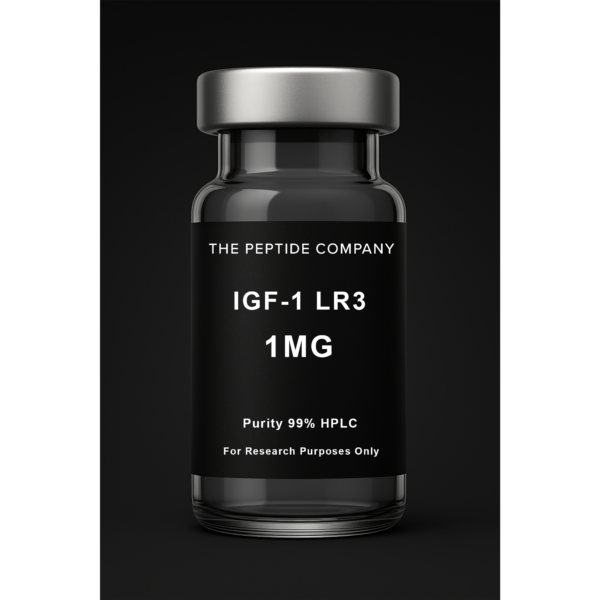
IGF-1 LR3 1mg
IGF-1 LR3 1mg is a research compound studied for insulin-like growth factor signaling, receptor binding dynamics, and cellular growth pathway mechanisms. For research use only.
Introduction
Growth hormone (GH) release is governed by a tightly regulated endocrine axis involving GHRH, somatostatin, and feedback from GH and IGF-1. CJC‑1295 represents a family of GHRH analog constructs used in research to explore GH pulsatility, endocrine regulation, and tissue signaling dynamics. This article outlines the biology of the GHRH receptor, followed by detailed sections on CJC‑1295 with DAC and CJC‑1295 without DAC.
What Is CJC‑1295?
CJC‑1295 is a synthetic analog of growth hormone releasing hormone (GHRH) designed to bind the GHRH receptor on anterior pituitary somatotrophs. It enhances endogenous GH secretion in a physiological, pulse‑based manner. Two primary constructs exist: CJC‑1295 with DAC (Drug Affinity Complex) and CJC‑1295 without DAC (Mod GRF 1‑29). Both utilize the same receptor system but differ in structural stability and duration.
CJC‑1295 With DAC
The DAC component allows reversible binding to plasma proteins such as albumin, increasing stability and circulation time. This provides prolonged GHRH receptor stimulation without eliminating the natural pulsatile nature of GH release. DAC‑modified constructs are used to study extended GH/IGF‑1 signaling and chronic endocrine modulation in research settings.
CJC‑1295 Without DAC (Mod GRF 1‑29)
Mod GRF 1‑29 is a 29‑amino acid fragment of GHRH with structural substitutions that increase stability. Without DAC, it does not bind albumin and therefore produces a shorter-lived GHRH signal. This makes it valuable for studying acute GH responses, timing dynamics, and pulse behavior in controlled experiments.
Comparative Overview
CJC‑1295 with DAC and Mod GRF 1‑29 both activate the GHRH receptor but differ in duration and kinetic emphasis. DAC‑modified constructs allow sustained receptor engagement, while Mod GRF 1‑29 provides rapid, discrete signaling useful for timing-based research.
Synergy and Related Research
GHRH analogs are often studied alongside other endocrine peptides. Tesamorelin provides a useful structural comparison as another GHRH analog, while ghrelin receptor agonists such as GHRP‑2 or Ipamorelin act through a separate pathway (GHSR). IGF‑1 LR3 is frequently examined downstream for mapping GH‑IGF signaling behavior.
Summary
CJC‑1295 provides two structurally related tools for studying GH pulsatility and endocrine signaling. DAC‑modified CJC‑1295 allows extended receptor presence, while Mod GRF 1‑29 enables investigation of acute GH pulse patterns. Together, they support research into growth signaling, endocrine timing, and tissue regulation.
CJC‑1295 With DAC vs Without DAC (Research Comparison)
| Feature | CJC‑1295 With DAC | CJC‑1295 Without DAC (Mod GRF 1‑29) |
| Structural Modification | Includes Drug Affinity Complex | No DAC; modified GHRH(1‑29) |
| Albumin Binding | Yes, reversible | Minimal to none |
| Circulation Duration | Prolonged | Short, pulse‑like |
| GH Pattern | Extended stimulation window | Sharp, discrete GH pulses |
| Research Focus | Long-term GH/IGF‑1 studies | Timing and acute GH response |
Educational & Research Disclaimer
This article is for educational and research purposes only. No medical advice or clinical claims are made. Compounds discussed are not approved for human use and are intended exclusively for laboratory research.
Related Searches:
IGF-1 Analogues: LR3 and DES Structural Variations and Receptor Binding in Research Models
Sermorelin: GHRH Fragment Research and Growth Hormone Pulsatility Models
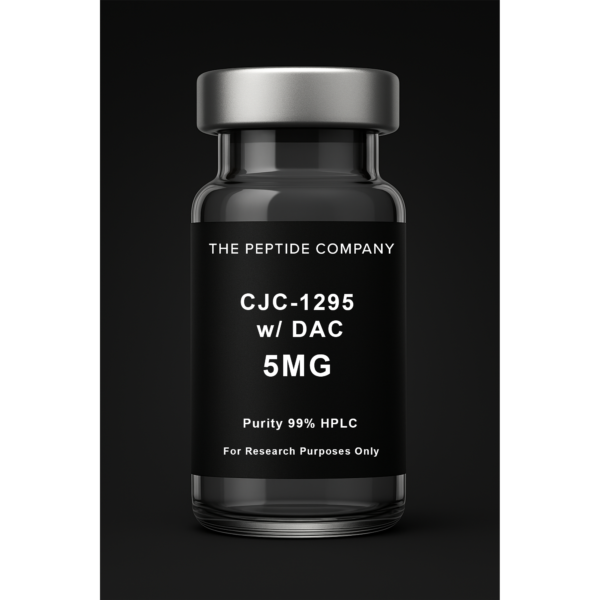
CJC w/ DAC – 5mg
CJC-1295 with DAC is a modified growth hormone–releasing hormone (GHRH) analog studied for prolonged stimulation of growth hormone signaling pathways and endocrine regulation. For research use only.
Introduction
Epithalon (Epitalon) is a synthetic tetrapeptide with the sequence Ala–Glu–Asp–Gly, modeled after endogenous pineal peptides. Research explores its roles in telomere regulation, cellular senescence, circadian rhythm biology, mitochondrial signaling, and oxidative-stress pathways. Its small molecular structure allows broad interaction across cellular regulatory networks.
Structural Biology of Epithalon
Epithalon’s tetrapeptide composition—Ala, Glu, Asp, Gly—confers high stability and efficient diffusion properties. It is structurally simpler and more defined than Epithalamin, the natural pineal extract from which its concept originates. Research focuses on its structural advantages, purity, and selective signaling behaviors.
Telomere Biology and Telomerase Research
Studies investigate Epithalon’s influence on telomerase reverse transcriptase (TERT) expression, telomerase activation, and telomere maintenance. Key areas include shelterin complex regulation (TRF1, TRF2, POT1, TIN2), DNA end-protection, and modulation of senescence markers such as p53, p21, and p16INK4a. Researchers examine how Epithalon affects genomic stability and replicative longevity.
Circadian Rhythm and Pineal Regulation
Epithalon is closely tied to circadian biology due to its pineal origins. Research explores its influence on melatonin cycles and transcription of circadian-clock genes including CLOCK, BMAL1, PER1/2, and CRY1/2. These pathways regulate sleep-wake cycles, endocrine rhythmicity, metabolic timing, and peripheral tissue transcriptional oscillations.
Mitochondrial Function and Oxidative-Stress Pathways
Mitochondrial resilience and oxidative balance are central themes in Epithalon research. Studies examine interactions with NRF2, SIRT1, FOXO transcription factors, and UPRmt (mitochondrial unfolded protein response). Epithalon is evaluated for influences on ROS handling, mitochondrial gene expression, and antioxidant signaling patterns.
Protein Homeostasis and Autophagy
Epithalon is studied for its impact on autophagic signaling (LC3-II, Beclin-1, ATG genes), proteasomal pathways, and protein-quality control systems. Research examines its potential role in maintaining proteostasis, mitigating misfolded protein accumulation, and supporting cellular cleanup mechanisms linked to aging biology.
Immune Signaling and Inflammatory Pathways
Research explores Epithalon’s modulation of cytokine networks including IL-6, TNF-α, IL-1β, and interferon-associated signaling. Studies also investigate its influence on neuroendocrine–immune communication, including hypothalamic–pituitary–immune axis dynamics.
Cellular Longevity and Aging Signatures
Epithalon research covers DNA-damage markers (γ-H2AX, oxidized guanine lesions), senescence-associated secretory phenotype (SASP) profiles, and transcriptional pathways associated with AMPK, PGC‑1α, SIRT family genes, and mitochondrial biogenesis. These studies help map Epithalon’s potential role in aging and cellular adaptation.
Summary
Epithalon is a structurally simple synthetic tetrapeptide studied for its involvement in telomere maintenance, circadian regulation, mitochondrial signaling, proteostasis, immune modulation, and longevity transcription networks. Its broad signaling interactions make it a critical compound in aging and mitochondrial research.
Educational & Research Disclaimer
This article is for educational and scientific research purposes only. No therapeutic claims or usage recommendations are provided. Compounds referenced are not approved for human use and are intended solely for controlled laboratory experimentation.
FAQ:
What is Epithalon in research?
Epithalon (Epitalon) is a synthetic tetrapeptide analog of epithalamin, studied for its potential roles in telomere biology, cellular senescence, and circadian-rhythm regulation under controlled laboratory conditions.
How does Epithalon function in laboratory studies?
In research models, Epithalon is explored for its influence on telomerase activity, chromatin structure, melatonin signaling, and age-associated gene expression. These findings remain experimental and limited to in-vitro or animal-model conditions.
Is Epithalon considered a therapeutic compound?
No. Epithalon supplied by The Peptide Company is for laboratory and in-vitro research only. It is not a therapy, supplement, drug, or product for human or clinical use.
What research applications involve Epithalon?
Researchers study Epithalon in models of aging biology, circadian-clock gene regulation, oxidative-stress responses, telomere maintenance, and experimental longevity pathways.
Does Epithalon affect telomere length in research?
Some experimental studies in cell cultures and animal models suggest telomerase-activation potential, though results are inconsistent and strictly preclinical. These observations do not imply any clinical effect.
How is Epithalon typically handled in research environments?
It is supplied as a lyophilized powder and stored away from heat and humidity. After reconstitution, it is refrigerated and used only within institutional laboratory workflows.
Can Epithalon be administered by consumers?
No. Epithalon is intended exclusively for controlled laboratory and in-vitro research studies.
2. Related Research Compounds
IGF-1 Analogues: LR3 and DES Structural Variations and Receptor Binding in Research Models
CJC-1295: GHRH Analog, DAC Conjugation, and Growth Hormone Pulsatility in Research
Sermorelin: GHRH Fragment Research and Growth Hormone Pulsatility Models
3. References
PMID: 11769766 — Peptide epithalon and telomerase activity regulation in aging models
PMID: 11217738 — Effects of epithalon on pineal peptides and circadian function
PMID: 11399890 — Telomere dynamics and peptide regulation in senescence research
PMID: 11708714 — Peptide-based modulation of chromatin and cellular aging markers
PMID: 11762917 — Experimental gerontology: pineal peptides and lifespan mechanisms
Epithalon 10mg
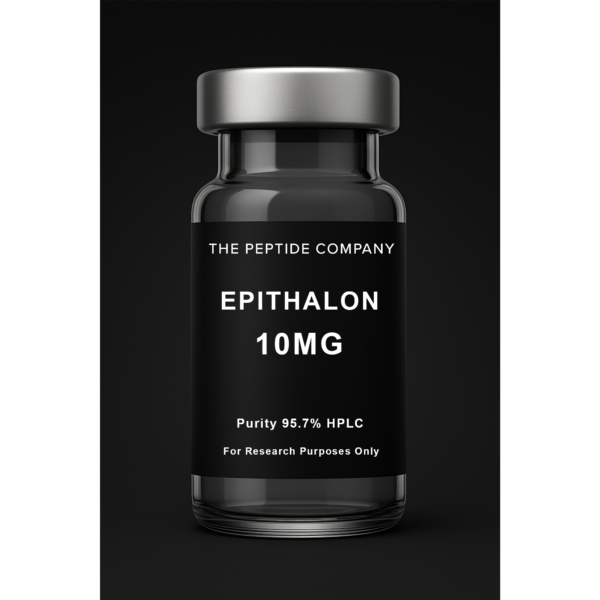
Epithalon 10mg is a research peptide studied for telomerase activation, cellular aging pathways, and circadian rhythm regulation in laboratory research models. For research use only.
Introduction
NMN (nicotinamide mononucleotide) is a central intermediate in the NAD⁺ salvage pathway and is widely studied for its role in cellular metabolism, mitochondrial redox cycles, genomic maintenance, and energy signaling. As a precursor to NAD⁺, NMN significantly influences sirtuin activity, DNA repair processes, metabolic adaptation, and mitochondrial function.
NAD⁺ Metabolism and the Salvage Pathway
NMN is generated from nicotinamide via NAMPT, the rate‑limiting enzyme of the salvage pathway. NMN is then converted into NAD⁺ through NMNAT enzymes (NMNAT1, NMNAT2, NMNAT3), distributed across the nucleus, cytosol, and mitochondria. Research explores how NMN availability affects intracellular NAD⁺ pools, sirtuin consumption, PARP‑mediated DNA repair, redox homeostasis, and metabolic resilience.
Mitochondrial NAD⁺ Biology
Mitochondria require NAD⁺ for electron transfer chain (ETC) activity. NAD⁺ accepts electrons in the TCA cycle, feeds complex I through NADH, and enables ATP production. Research shows NMN-supported NAD⁺ levels influence mitochondrial biogenesis, mitophagy, redox balance, UPRmt (mitochondrial unfolded protein response), and maintenance of mitochondrial membrane potential.
Energy Metabolism and Redox Cycling
NAD⁺/NADH ratios are crucial for glycolysis, beta‑oxidation, oxidative phosphorylation, and metabolic flux. NMN research investigates how restored NAD⁺ pools regulate AMPK activity, influence metabolic efficiency, and maintain healthy redox cycling across different tissues.
Sirtuin Pathways
Sirtuins (SIRT1, SIRT2, SIRT3, SIRT6) are NAD⁺‑dependent deacetylases critical for gene expression, mitochondrial stability, stress adaptation, and chromatin regulation. Studies show that NMN availability can modulate sirtuin activity, impacting metabolic transcription, antioxidant defenses, genomic maintenance, and mitochondrial protein acetylation patterns.
DNA Repair and PARP Activity
PARP enzymes consume NAD⁺ in response to DNA damage. NMN-supported NAD⁺ pools may influence PARP activation, DNA strand repair efficiency, and cellular responses to oxidative stress. Excessive PARP activation depletes NAD⁺, making NAD⁺replenishment and salvage pathway dynamics essential to genomic maintenance.
Comparative Mechanistic Notes: NMN vs NR vs NAD⁺
NMN converts directly to NAD⁺ via NMNAT. NR (nicotinamide riboside) must first convert to NMN before entering this step. Exogenous NAD⁺ cannot directly cross membranes efficiently and must be broken down into NMN or NR precursors. Mechanistic studies evaluate differences in transporters, enzymatic conversion rates, and intracellular uptake among these compounds.
Cellular Stress, Autophagy, and AMPK
Research explores NMN’s involvement in AMPK activation, autophagic flux, mitochondrial quality control, antioxidant transcription, and metabolic stress adaptation. These pathways integrate NMN into mitochondrial resilience and cell‑protection models.
Summary
NMN is a critical NAD⁺ precursor examined for its roles in mitochondrial energy metabolism, redox cycling, genomic stability, sirtuin activity, and metabolic adaptation. Its central position in the salvage pathway makes it a key subject of modern mitochondrial, metabolic, and cellular‑repair research.
Educational & Research Disclaimer
This article is for educational and scientific research purposes only. No therapeutic claims or usage recommendations are provided. Compounds referenced are not approved for human use and are intended solely for controlled laboratory experimentation.
FAQ:
What is NMN in research?
Nicotinamide mononucleotide (NMN) is a biochemical NAD⁺ precursor studied in laboratory models for its role in cellular metabolism, oxidative stress pathways, and mitochondrial function.
How does NMN support NAD⁺ levels in research settings?
NMN is enzymatically converted into NAD⁺ through the salvage pathway. Researchers use it to explore how NAD⁺ fluctuations affect metabolism, DNA repair, mitochondrial respiration, and cellular stress responses.
Is NMN considered a therapeutic agent?
No. NMN from The Peptide Company is strictly for laboratory and in-vitro research. It is not a drug, supplement, or consumer product.
What areas of study involve NMN?
Research includes mitochondrial bioenergetics, sirtuin activation, metabolic regulation, redox balance, cellular aging models, and oxidative stress biology.
Can NMN influence mitochondrial performance in studies?
In controlled laboratory environments, NMN is examined for its relationship with ATP production, mitochondrial efficiency, and NAD⁺-dependent enzymatic activity.
How is NMN handled in research workflows?
NMN is stored cool and protected from light. After reconstitution, it is handled under validated institutional laboratory protocols only.
Is NMN intended for human use?
No. NMN is not for human consumption or clinical application of any kind.
Related Research Compounds
MOTS-c: The Mitochondrial-Encoded Peptide for Metabolic Regulation and Cellular Resilience
References
PMID: 25642957 — NAD⁺ metabolism, aging, and mitochondrial homeostasis
PMID: 29127247 — NMN and NAD⁺ salvage pathway in metabolic research
PMID: 26730458 — NAD⁺ precursors and mitochondrial function in experimental models
PMID: 31395777 — Redox regulation and sirtuin activity driven by NAD⁺ modulation
PMID: 23434792 — Cellular energy metabolism and NAD⁺ biosynthesis dynamics
Introduction
Semax is a synthetic heptapeptide derived from the endogenous immunomodulatory peptide Tuftsin. Its sequence, Met-Glu-His-Phe-Pro-Gly-Pro, was engineered for enhanced stability, resistance to enzymatic degradation, and improved neuromodulatory properties. Research explores Semax’s potential influence on neurotransmitter regulation, stress-response signaling, BDNF-associated pathways, immune–neural communication, and cognitive processing networks.
Structural Biology of Semax
Semax is structurally based on the ACTH(4–10) fragment but lacks corticosteroid-stimulating domains. The presence of histidine, phenylalanine, and proline residues contributes to receptor interactions, stability, and an extended duration of activity in research models. Its structural modifications reduce susceptibility to rapid degradation by proteases.
Neurotrophic Mechanisms
Semax appears in studies examining neurotrophic factor regulation, particularly brain-derived neurotrophic factor (BDNF) and neurotrophin-4 (NT‑4). These pathways support synaptic plasticity, neuronal resilience, and activity-dependent remodeling. Research also explores Semax’s influence on TrkB-mediated signaling cascades involved in long-term potentiation and memory.
Transcriptional and Gene Expression Effects
Transcriptomic studies show that Semax modulates genes associated with plasticity, metabolism, antioxidant defense, neurotransmitter signaling, synaptic remodeling, and immediate-early gene activity (e.g., c-Fos, Arc, Egr1). These transcriptional changes are commonly observed in cortical and hippocampal models.
Neuromodulatory Pathways
Research investigates Semax’s influence on dopaminergic, glutamatergic, and cholinergic systems. This includes dopamine turnover, D1/D2 receptor-related transcription, glutamate receptor subunit expression, excitatory/inhibitory balance, and cholinergic gene expression relevant to attention and learning.
Stress-Response and Cytoprotective Pathways
Semax is evaluated in models focused on oxidative stress resilience and cytoprotective gene expression. This includes effects on mitochondrial antioxidant pathways, superoxide dismutase activity, redox-sensitive transcription factors, and heat-shock proteins such as HSP70. Research also examines its relationship with CRF-related stress-adaptation pathways.
Neuroimmune and Microglial Signaling
Studies explore Semax’s influence on cytokine profiles (IL‑6, TNF‑α, interferon-related genes), microglial activation markers, and neuroimmune signaling loops. These interactions relate to neuroinflammation modulation and synaptic-environment stability.
Cortical Plasticity and Functional Pathways
Cortical models identify Semax as a regulator of activity-dependent gene expression, synaptic strengthening, ERK1/2 kinase cascades, neuronal excitability regulation, and learning-associated transcriptional patterns. These effects support research into long-term potentiation and cortical adaptation.
Summary
Semax is an ACTH(4–10)-derived heptapeptide examined for neuromodulatory and neurotrophic properties. Research highlights its influence on BDNF-related signaling, cortical gene expression, neurotransmitter modulation, oxidative-stress defense, synaptic plasticity, and neuroimmune pathways. Its structural stability and broad regulatory effects make it a key compound in advanced neurobiological research.
Educational & Research Disclaimer
This article is for educational and scientific research purposes only. No therapeutic claims or usage guidance is provided. Compounds referenced are not approved for human use and are intended solely for controlled laboratory experimentation.
PMID-Only References
PMID: 10582672 — ACTH-derived peptides and neurotrophic signaling
PMID: 15878694 — Peptide modulation of stress-response pathways
PMID: 17603017 — Cognitive and neuroprotective mechanisms in peptide models
PMID: 18403122 — Peptide influence on BDNF-associated responses
PMID: 20555078 — Neuroimmune and neuromodulatory peptides
FAQ:
What is Semax in research?
Semax is a synthetic heptapeptide derived from the ACTH(4–10) fragment and investigated for its influence on neurotrophic, neuroprotective, and neuromodulatory pathways in controlled laboratory settings.
How is Semax structurally characterized?
Semax contains the peptide sequence Met-Glu-His-Phe-Pro-Gly-Pro, engineered for enhanced resistance to enzymatic degradation and prolonged activity in research models.
What mechanisms are associated with Semax in studies?
Research highlights include modulation of BDNF-related pathways, ACTH-associated signaling, neurotransmitter regulation, oxidative-stress pathways, and cognitive-network interactions.
Is Semax classified as a therapeutic compound?
No. Semax provided by The Peptide Company is for laboratory and in-vitro research use only. It is not a therapy, drug, supplement, or product for human or clinical use.
What research applications commonly examine Semax?
Semax is studied in models focused on cognitive pathways, neuroplasticity, stress-response biology, neuromodulation, metabolic signaling, and neuroimmune interactions.
How is Semax typically handled in research settings?
Semax is evaluated in lyophilized form and kept protected from heat, moisture, and light to preserve stability during experimental use.
Related Research Compounds
Dihexa — Neurotrophic Peptide Research Article (Educational • Research Use Only)

Semax 10mg
Semax 10mg is a research compound studied for neurotrophic signaling, cognitive pathway modulation, and neuroplasticity mechanisms. For research use only.