Overview
TB-500 is a synthetic peptide fragment derived from thymosin beta-4 (Tβ4), a naturally occurring 43-amino-acid protein found in most tissues and cell types. This peptide fragment was developed to study the regenerative and tissue-healing properties attributed to the parent protein. Research surrounding TB-500 has primarily focused on wound repair, angiogenesis, inflammation modulation, and cellular migration.
Mechanism of Action (Research Context)
Research suggests that TB-500 exerts its biological activity through the regulation of actin polymerization—a critical process in cell motility and tissue remodeling. It enhances keratinocyte and endothelial cell migration, promotes angiogenesis, and aids in cytoskeletal reorganization. Studies have demonstrated its role in upregulating vascular endothelial growth factor (VEGF) expression and modulating inflammation through cytokine pathways.
Potential Research Benefits
• Accelerated wound healing and tissue regeneration in pre-clinical studies• Enhanced angiogenesis and blood vessel formation• Reduced inflammatory response and fibrosis• Improved recovery outcomes in muscle, tendon, and ligament injury models• Investigated for potential cardiac repair properties following ischemic damage
Chemical / Physical Information
• Sequence: Ac-Ser-Asp-Lys-Pro-Asp-Met-Ala-Glu-Ile-Glu-Lys-Phe-Asp-Lys-Ser-Lys-Leu-Lys-Lys-Thr-Glu-Thr-Lys-Leu-Lys-Glu-Val-Thr-Asp• Molecular Weight: Approximately 4964 Da• Solubility: Soluble in sterile water or aqueous buffers• Storage: Lyophilized powder should be stored at -20°C; reconstituted solutions should be aliquoted and frozen to avoid repeated freeze-thaw cycles
Regulatory & Compliance Notes
TB-500 is not approved for therapeutic or medical use by any major regulatory authority. It is intended for research and laboratory investigation only. Procurement, handling, and storage should comply with institutional and legal requirements governing research chemicals.
References
1. Huff T. et al., J Biol Chem. (2001). The role of thymosin beta-4 in actin binding and cell motility.2. Malinda K.M. et al., J Invest Dermatol. (1999). Thymosin beta-4 accelerates wound healing.3. Sosne G. et al., Exp Eye Res. (2002). Anti-inflammatory properties of thymosin beta-4.4. Philp D. et al., Ann N Y Acad Sci. (2012). Angiogenesis and cardiac repair mechanisms of thymosin beta-4.
Disclaimer
This content is intended for research and educational purposes only. TB-500 is not approved for human or veterinary use. All studies and experimental work involving TB-500 should be conducted in compliance with applicable regulations, ethical standards, and laboratory safety protocols.
———————————————–
Selected References
PMID: 18583549 — Thymosin β4–mediated tissue repair and regeneration
PMID: 19189304 — Actin-sequestering peptides in wound healing
PMID: 21440617 — Thymosin β4 pathways in angiogenesis and cellular migration
PMID: 24513106 — Peptide-driven repair mechanisms in musculoskeletal injury
Frontiers in Pharmacology — Regenerative peptides and cytoskeletal modulation
Journal of Peptide Science — Thymosin-derived peptides in tissue recovery
FAQ:
What is TB-500?
TB-500 is a synthetic version of a portion of thymosin beta-4 (Tβ4), studied for its potential roles in cellular migration, tissue repair, and actin regulation in research environments.
How does TB-500 work in research?
Research suggests TB-500 interacts with actin-binding pathways, influencing cell movement, angiogenesis, and regeneration markers in experimental models.
Is TB-500 approved for human or medical use?
No. TB-500 discussed here is a research-only compound and is not approved for therapeutic or consumer use.
What are researchers studying TB-500 for?
Studies explore TB-500 in contexts such as soft tissue repair, inflammation balance, angiogenesis, and cellular migration dynamics.
How is TB-500 different from full Thymosin Beta-4?
TB-500 is a shorter synthetic fragment containing the active region associated with actin modulation, while Tβ4 is a naturally occurring, full-length 43–amino acid peptide.
How is TB-500 evaluated in research settings?
TB-500 is assessed through in vitro assays and animal studies monitoring tissue regeneration, actin expression patterns, and inflammatory markers.
Are there known side effects in TB-500 studies?
Published preclinical data show generally favorable tolerability, but long-term safety profiles are not established.
Related Research Compounds
Bronchogen: Short Peptide Bioregulator for Bronchial and Pulmonary Tissue Research
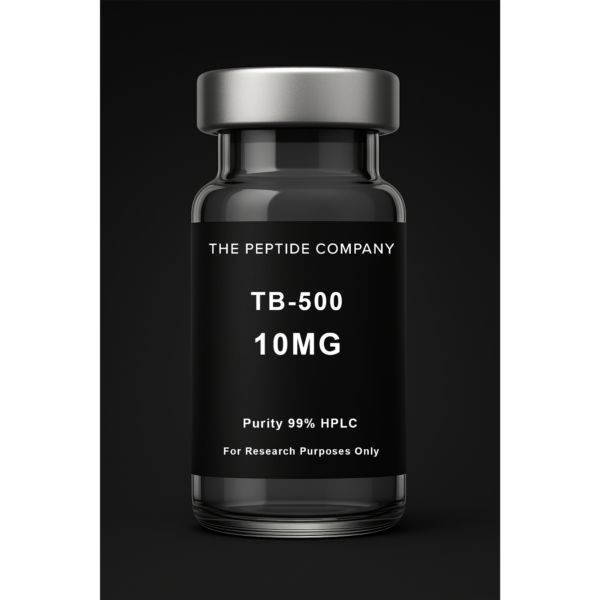
TB-500 10mg
TB-500 10mg is a research compound studied for actin regulation, cell migration dynamics, angiogenesis pathways, and tissue regeneration signaling. For research use only.
Independent research publication focused on peptide innovation, regenerative biology, and skin science.
Overview
GHK-Cu (glycyl-L-histidyl-L-lysine-copper) is a naturally occurring copper-binding tripeptide first identified in human plasma in the 1970s. It plays a role in tissue remodeling, collagen synthesis, and cellular repair mechanisms. GHK-Cu has been extensively studied in dermatologic, cosmetic, and wound-healing research contexts, where it demonstrates regenerative and anti-inflammatory properties.
Mechanism of Action
GHK-Cu functions as a signaling molecule that modulates gene expression, promoting tissue regeneration and reducing oxidative stress. The peptide binds copper(II) ions, facilitating enzymatic activities crucial for collagen cross-linking, angiogenesis, and antioxidant defense. Research indicates that GHK-Cu influences over 4,000 human genes, upregulating those associated with tissue repair while downregulating inflammatory and fibrosis-related pathways.
Key biological effects reported in studies include:• Activation of dermal fibroblasts, enhancing collagen, elastin, and glycosaminoglycan synthesis• Modulation of matrix metalloproteinases (MMPs) and tissue inhibitors (TIMPs), balancing ECM turnover• Promotion of angiogenesis via vascular endothelial growth factor (VEGF) induction• Upregulation of antioxidant enzymes such as superoxide dismutase (SOD) and catalase• Restoration of hair follicle cycling and dermal papilla activity in scalp models
Potential Research Benefits
• Supports skin remodeling, firmness, and elasticity• Demonstrates wound-healing and scar reduction potential in animal and in vitro models• Stimulates hair follicle activity and anagen-phase reentry• Reduces markers of oxidative stress and inflammation in aging models• Enhances copper-dependent enzymatic processes, including lysyl oxidase and ceruloplasmin activity• Investigated for protective effects against UV-induced DNA damage and oxidative injury
Chemical / Physical Information
• Chemical Name: Glycyl-L-histidyl-L-lysine-copper(II)• Molecular Formula: C14H24N6O4•Cu• Molecular Weight: Approximately 403.9 Da• Appearance: Blue crystalline powder• Solubility: Water soluble• Storage: Lyophilized peptide should be stored at -20 °C protected from light and moisture. Reconstituted solutions should be aliquoted and frozen to prevent repeated freeze–thaw cycles.
Selected Research Highlights
• Clinical and preclinical research demonstrates GHK-Cu’s role in accelerating wound closure and improving skin elasticity.• In fibroblast culture studies, GHK-Cu enhances collagen and elastin synthesis up to 70% over controls.• In animal models, topical GHK-Cu reduced inflammation and fibrosis following injury.• Hair growth research indicates increased follicular cell proliferation and angiogenesis around the follicle bulb.• Transcriptomic analyses have identified widespread genetic modulation associated with cellular regeneration and anti-aging processes.
Regulatory & Compliance Notes
GHK-Cu is not approved for therapeutic or cosmetic use by regulatory authorities in most jurisdictions. It is designated for research and laboratory study only. Handling, procurement, and experimentation should comply with institutional biosafety and legal standards. Proper labeling and documentation are required for research-grade materials.
References (Selection)
1. Pickart L, et al. (1973). A tripeptide from human plasma that binds copper. J Biol Chem.2. Pickart L, Vasquez-Soltero JM, Margolina A. (2015). GHK peptide as a natural modulator of multiple biochemical pathways. BioMed Res Int.3. Maquart FX, et al. (1993). Stimulation of collagen synthesis in fibroblasts by the tripeptide GHK-Cu. FEBS Lett.4. Simeon A, Wegrowski Y. (2000). Expression of extracellular matrix components in fibroblast cultures treated with GHK-Cu. Cell Biol Int.5. Pickart L. (2018). Therapeutic potential of the human peptide GHK-Cu in tissue regeneration and aging. Clin Interv Aging.
Disclaimer
This article is intended for educational and research purposes only. GHK-Cu is not approved for human, cosmetic, or veterinary use. All experiments or studies should follow appropriate regulations, ethical standards, and institutional safety protocols.
—————–
Selected References
PMID: 30730597 — GHK-Cu peptide regulation of gene expression and tissue repair
PMID: 18254838 — Copper peptides in wound healing and skin regeneration
PMID: 20077475 — Anti-inflammatory and antioxidant actions of GHK-Cu
PMID: 25434065 — Peptide-mediated collagen synthesis and dermal remodeling
Frontiers in Molecular Biosciences — Copper-dependent peptide biology
Journal of Peptide Science — Bioactive copper peptides and regeneration mechanisms
FAQ:
What is GHK-Cu?
GHK-Cu is a copper-binding tripeptide, often called copper tripeptide-1, studied for its potential roles in tissue remodeling, cellular signaling, and regenerative pathways in research settings.
How does GHK-Cu work in research?
In studies, GHK-Cu has been shown to interact with copper ions and influence gene expression patterns related to repair, antioxidant defenses, and extracellular matrix components.
Is GHK-Cu approved for medical use?
No. GHK-Cu described here is a research compound and is not approved as a drug or for general therapeutic use.
What are researchers investigating GHK-Cu for?
Research explores GHK-Cu in models of skin integrity, tissue repair, oxidative stress balance, and cellular signaling related to regeneration.
Is GHK-Cu the same as regular copper supplements?
No. GHK-Cu is a specific peptide–copper complex and is distinct from dietary or mineral copper supplements.
How is GHK-Cu typically evaluated in studies?
GHK-Cu is often evaluated in vitro and in animal or ex vivo tissue models that assess gene expression, collagen dynamics, antioxidant responses, and markers of tissue quality.
Are there known side effects of GHK-Cu in research?
Available data suggest generally favorable tolerability in experimental settings, but comprehensive long-term safety for human use has not been established.
Related Research Compounds
Bronchogen: Short Peptide Bioregulator for Bronchial and Pulmonary Tissue Research
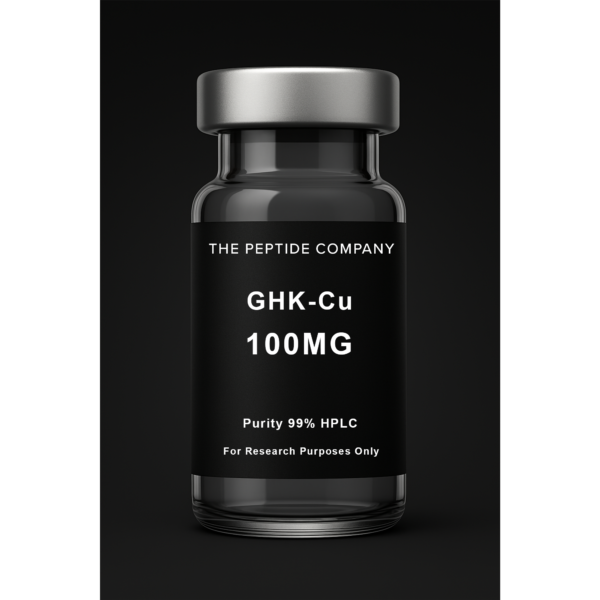
GHK-Cu 100mg
GHK-Cu 100mg is a research compound studied for copper-dependent signaling, extracellular matrix remodeling, and cellular regeneration mechanisms. For research use only.
Short peptide bioregulators—also known as cytomedins—are ultrashort amino acid sequences that influence gene expression, chromatin dynamics, and intracellular signaling in specific tissues. Pancragen is associated with pancreatic endocrine and exocrine regulatory pathways, making it a research tool for studying transcriptional regulation and cellular homeostasis in pancreatic tissue models.
What Are Short Peptide Bioregulators?
Short peptide bioregulators consist of 2–4 amino acids and are derived from highly conserved regulatory motifs found within tissue-specific proteins. Their ultrashort structure enables cellular and nuclear penetration, where they may interact with DNA-binding proteins, transcription factors, and intracellular signaling complexes. They function differently from classical receptor-binding peptides, operating primarily within the cytoplasm and nucleus.
What Is Pancragen?
Pancragen is a pancreatic-targeting short peptide bioregulator studied in models involving endocrine β-cells and exocrine acinar cells. Research examines its relationship to gene expression normalization, protein synthesis pathways, cellular stress responses, and targeted transcriptional regulation in pancreatic tissue.
Structural Overview
Pancragen, like other bioregulators, consists of an ultrashort peptide sequence that mimics naturally occurring motifs found within pancreatic regulatory proteins. Its small molecular size enables it to diffuse across cell membranes and potentially interact with nuclear DNA-associated proteins, influencing transcriptional activity and RNA expression.
Mechanism of Action (Research Context)
Pancragen’s mechanisms are based on intracellular and nuclear regulatory interactions rather than receptor-mediated activity. Research models highlight potential roles in gene expression modulation, β-cell transcriptional pathways, exocrine enzyme regulation, chromatin-associated signaling, and peptide-protein interactions that support pancreatic tissue stability.
Pancragen in Pancreatic Tissue Research
Pancragen appears in studies examining β-cell identity markers, endocrine homeostasis pathways, protein synthesis regulation, stress-response genes, and tissue-specific gene-expression networks. Its role in pancreatic research centers around transcriptional support, metabolic stability, and cellular differentiation signals.
Summary
Pancragen is a pancreatic-specific short peptide bioregulator studied for its potential influence on gene expression, transcriptional regulation, and intracellular stability in pancreatic endocrine and exocrine models. Its ultrashort size and regulatory focus make it a unique research tool within the broader field of tissue-specific peptide biology.
Educational & Research Disclaimer
This article is for educational and scientific research purposes only. No therapeutic claims, clinical guidance, or usage recommendations are provided. Compounds referenced are not approved for human use and are intended solely for controlled laboratory research.
FAQ:
What is Pancragen in research?
Pancragen is a short peptide bioregulator studied for its potential influence on pancreatic cellular activity, gene expression, and endocrine-related pathways in controlled laboratory models. It is provided as a lyophilized research compound for in-vitro use only.
How does Pancragen function in laboratory studies?
Research suggests Pancragen may interact with nuclear structures and DNA, helping support gene regulation involved in pancreatic tissue health, metabolic signaling, and cellular repair processes in experimental settings.
Is Pancragen considered a therapeutic product?
No. Pancragen supplied by The Peptide Company is not a therapy, drug, supplement, or clinical product. It is intended for laboratory and in-vitro research environments only.
What research applications involve Pancragen?
Pancragen is explored in studies relating to pancreatic tissue preservation, age-related cellular changes, metabolic pathways, endocrine function, and gene-regulation activity under controlled experimental conditions.
Does Pancragen have biological activity in studies?
In preclinical literature, Pancragen has been examined for potential influences on cellular repair markers, metabolic gene activity, and pancreatic tissue homeostasis. These findings are experimental only and not indicative of clinical outcomes.
How is Pancragen typically stored in research settings?
Pancragen is generally stored as a dry, stable powder away from heat and light. Once reconstituted, it is kept refrigerated as required by laboratory protocol and used only within controlled in-vitro research workflows.
Can Pancragen be self-administered or used by consumers?
No. Pancragen is not intended for self-administration or consumer use. It is strictly for institutional research, academic experimentation, and in-vitro laboratory applications only.
Related Research Compounds
Bronchogen: Short Peptide Bioregulator for Bronchial and Pulmonary Tissue Research
Cardiogen: Short Peptide Bioregulator for Cardiac and Myocardial Tissue Research
ProstaMax : Short Peptide Bioregulator for Prostate Tissue Regulatory Research
References (Selection)
PMID: 2469555 — Peptide bioregulators and regulation of pancreatic cellular functions
PMID: 25519238 — Gene-expression modulation in bioregulatory peptide models
PMID: 20370450 — Short peptides and nuclear interactions in metabolic tissues
PMID: 21504972 — Peptide-induced regulation of age-related cellular changes
PMID: 29264985 — Experimental peptide signaling in endocrine and metabolic pathways
Introduction
Short peptide bioregulators—also known as cytomedins—are ultrashort amino acid sequences studied for their role in regulating gene expression, cellular differentiation, chromatin structure, and intracellular signaling. Bronchogen is associated with bronchial and pulmonary epithelial research, with studies examining its effects on epithelial integrity, mucosal barrier dynamics, and cytokine expression.
What Are Short Peptide Bioregulators?
Bioregulators consist of 2–4 amino acids and are derived from naturally occurring regulatory proteins. Their small size allows them to enter cells and interact with nuclear and cytoplasmic targets. Research indicates their involvement in transcriptional regulation, intracellular signaling pathways, and tissue-specific gene expression.
What Is Bronchogen?
Bronchogen is a short peptide bioregulator linked to bronchial and pulmonary epithelial cell function. Studies explore its influence on epithelial gene expression, mucosal barrier characteristics, cytokine normalization, and bronchial tissue homeostasis in research models.
Structural Overview
Short peptide bioregulators typically contain 2–4 amino acids and mimic conserved intracellular motifs found in tissue-regulatory proteins. Bronchogen’s sequence corresponds to motifs associated with epithelial maintenance pathways. Its size facilitates access to the cytoplasm and nucleus, allowing potential interactions with DNA-associated proteins.
Mechanism of Action (Research Context)
Bronchogen influences nuclear and cytoplasmic regulatory pathways related to bronchial epithelial function. Research models note its relationship with gene expression modulation, tight-junction protein dynamics, cytokine-expression profiles, and tissue-specific differentiation pathways.
Bronchogen in Respiratory Tissue Research
Bronchogen appears in studies involving epithelial barrier maintenance, mucosal defense modeling, bronchial cellular stress responses, and tissue-specific genomic regulation. Researchers use it to explore respiratory epithelial behavior under various stressors and environmental stimuli.
Summary
Bronchogen is a short peptide bioregulator studied for its relationship with bronchial epithelial regulation. Its ultrashort structure, intracellular penetration, and influence on nuclear pathways make it valuable for exploring epithelial gene expression, mucosal barrier function, and airway tissue homeostasis in research environments.
FAQ:
What is Bronchogen in research?
Bronchogen is a short peptide bioregulator (sequence Ala-Glu-Asp-Leu; AEDL) primarily studied for its effects on bronchial and pulmonary cell activity, gene regulation, and tissue signaling in laboratory models.
How does Bronchogen function in laboratory studies?
Experimental work suggests Bronchogen may interact with DNA, stabilize chromatin structure, influence gene expression in bronchial epithelial cells, and modulate inflammatory pathways in lung-tissue models.
Is Bronchogen considered a therapeutic product?
No. Bronchogen provided by The Peptide Company is strictly for laboratory and in-vitro use. It is not a therapy, drug, supplement, or product for human or clinical use.
What research applications involve Bronchogen?
Bronchogen is explored in controlled experimental settings involving bronchial epithelium regeneration, pulmonary tissue signaling, age-related decline in lung tissue, and inflammatory cell modulation.
Does Bronchogen influence lung-tissue inflammation or structure in studies?
Preclinical data (in animal models) suggest that Bronchogen may reduce neutrophilic inflammation in bronchial lavage fluid, support epithelial integrity, and increase markers such as surfactant protein B in pulmonary models.
How is Bronchogen typically handled in research settings?
It is supplied as a lyophilized powder, stored away from heat and light, and after reconstitution is refrigerated. Usage is limited to controlled research environments, not human administration.
Can Bronchogen be used by consumers or self-administered?
No. Bronchogen is for institutional lab research and in-vitro modeling only, not for consumer use or self-administration.
Related Research Compounds:
Cardiogen: Short Peptide Bioregulator for Cardiac and Myocardial Tissue Research
ProstaMax : Short Peptide Bioregulator for Prostate Tissue Regulatory Research
PMID: 30199201 — Peptide modulation of lung inflammation and epithelial function
PMID: 21597687 — Nuclear penetration and DNA interaction of short regulatory peptides
PMID: 22098268 — Chromatin stabilization influenced by peptide AEDL sequences
PMID: 25828794 — Peptide-based modulation of bronchial epithelial cell activity
PMID: 34202042 — Peptide regulation of gene expression and cellular signaling