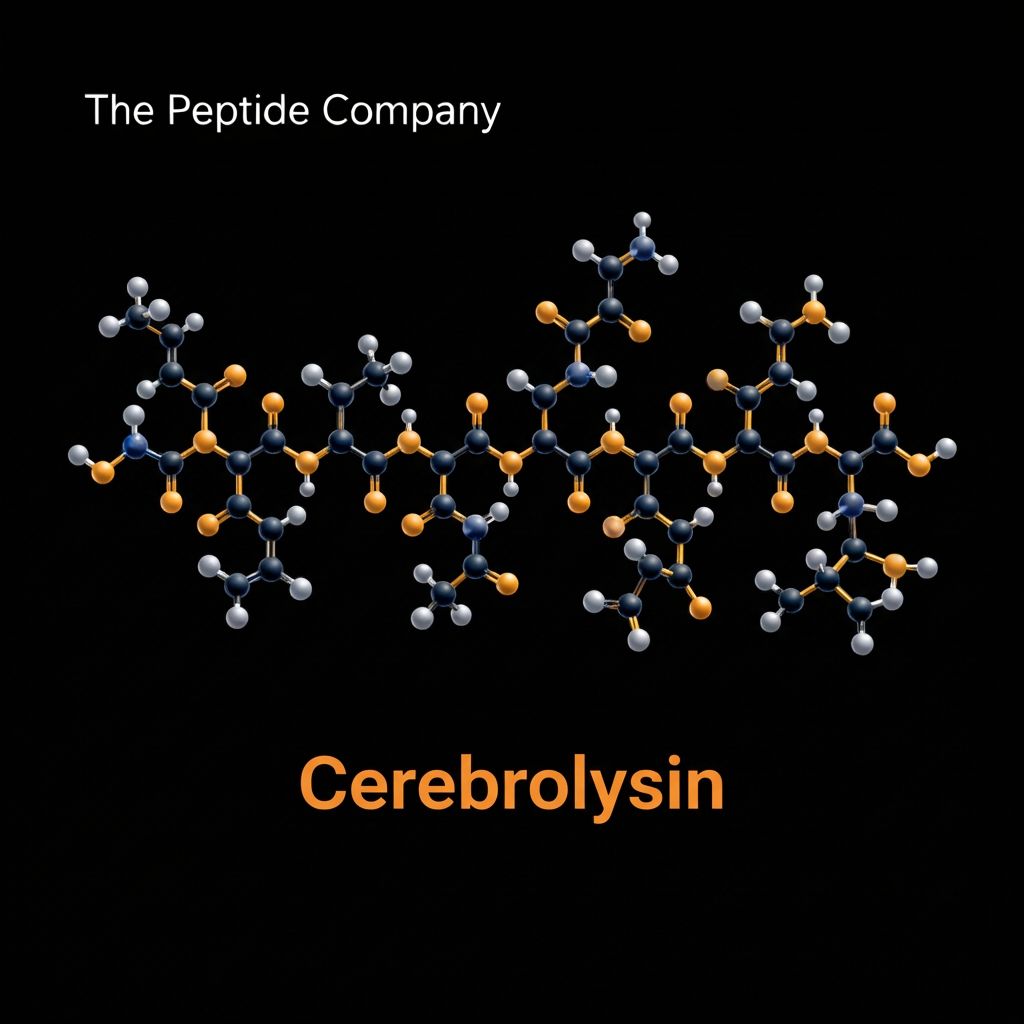
MixtureResearch, BDNFandNGF Signaling, and Neuroprotective Mechanisms in Neurological Models
Cerebrolysin represents a highly sophisticated and extensively researched neurotrophic peptide mixture utilized in advanced neurological recovery models. The historical development of this unique compound traces back several decades, originating from an intricate process of extracting and purifying brain tissue. Specifically, the formulation is derived from purified porcine brain proteins, which are carefully processed to create a stable, biologically active therapeutic agent. Over the years, the scientific community has heavily scrutinized this preparation, transitioning its status from a traditional biological extract to a highly defined, multi component polypeptide bioregulator capable of exerting profound disease modifying effects within the central nervous system.
In pharmacological terms, Cerebrolysin is classified as a complex peptide mixture rather than a single synthetic molecule. This classification is vital to understanding its broad spectrum mechanism of action. Unlike modern synthetic drugs that typically target a single receptor or isolated enzymatic pathway, this biological preparation mimics the highly complex, synergistic signaling environments naturally found within a healthy mammalian brain. The diverse array of small peptides operates collectively to modulate entire networks of cellular survival, structural remodeling, and metabolic efficiency, establishing a pharmacological profile that is notoriously difficult to replicate with isolated synthetic compounds.
The manufacturing process of Cerebrolysin relies on standardized enzymatic hydrolysis, a highly controlled biochemical technique designed to break down massive, immunogenic porcine brain proteins into tiny, safe, and biologically active fragments. By utilizing specific proteolytic enzymes under strict laboratory conditions, researchers ensure that the resulting peptide mixture is devoid of large proteins, lipids, and antigenic cellular debris. This meticulous enzymatic cleavage
generates a consistent pool of low molecular weight peptides that can
safely navigate systemic circulation and ultimately penetrate the highly restrictive protective barriers of the human brain.
Today, the neurotrophic and neuroprotective research applications surrounding Cerebrolysin are vast and encompass some of the most challenging conditions in modern neurology. Experimental models heavily utilize this peptide complex to investigate neuronal survival following acute ischemic stroke, progressive neurodegeneration in Alzheimer’s disease, diffuse axonal injury in severe traumatic brain injury, and chronic cognitive decline associated with vascular dementia. By evaluating how this mixture influences the brain at a fundamental molecular level, scientists continue to uncover the profound regenerative capabilities of natural neurotrophic signaling.
COMPOSITIONANDMOLECULARCHARACTERISTICS
The biochemical composition of Cerebrolysin is highly distinctive and serves as the foundation for its pleiotropic therapeutic effects. The rigorous enzymatic hydrolysis process yields a final solution characterized primarily by an abundance of very low molecular weight peptides. Analytical laboratory techniques consistently confirm that the vast majority of the active peptide fragments within the formulation are smaller than 10 kilodaltons. This specific molecular weight distribution is an absolute prerequisite for central nervous system research, as larger protein molecules are categorically excluded from entering the brain parenchyma.
The free amino acid content, which constitutes a significant portion of the total dry weight, includes vital neuroactive building blocks such as glutamate, aspartate, and glycine. However, the primary pharmacological
activity is attributed to the active neuropeptide fractions. These small
peptide sequences act as direct molecular mimics of naturally occurring human survival factors. By maintaining such a low molecular weight profile, the active constituents easily bypass the formidable obstacles that typically hinder neurological drug delivery, ensuring that the active signaling molecules reach their intended targets within the cerebral cortex and hippocampus.
This molecular weight distribution distinctly separates Cerebrolysin from synthetic single peptides. While a synthetic peptide contains only one specific amino acid sequence designed for one specific target, the complex mixture approach ensures that multiple cellular receptors are activated simultaneously. This multi targeted biological strategy effectively prevents the cellular desensitization and feedback inhibition frequently observed in single molecule experimental pharmacology.
BDNF,NGF,CNTF,ANDNT-3MIMETICACTIVITY
The most extensively researched aspect of Cerebrolysin is its ability to directly mimic the action of multiple endogenous neurotrophic factors simultaneously. Neurotrophins are specialized proteins that regulate the growth, survival, and functional maintenance of neurons. By presenting a complex matrix of peptide analogs, Cerebrolysin essentially functions as a broad spectrum neurotrophic substitute, capable of stimulating numerous survival pathways that are typically compromised during severe neurological disease or acute brain injury.
In addition to mimicking brain derived neurotrophic factor, researchers have documented profound nerve growth factor mimetic effects. Nerve growth factor is absolutely critical for the survival of cholinergic neurons, which are heavily implicated in memory formation and cognitive processing. Cerebrolysin contains peptide sequences that successfully bind and activate the TrkA receptor, replicating the natural survival signals required by these vulnerable cholinergic networks. This specific interaction is a primary focus in laboratory models of progressive memory loss.
This simultaneous, synergistic activation is why the peptide mixture is so heavily favored in advanced research. The brain relies on a highly coordinated symphony of growth factors to maintain synaptic health. By delivering a mixture that engages TrkA, TrkB, and other neurotrophic receptors concurrently, researchers can successfully replicate the complex biological conditions necessary for profound tissue regeneration and neurological repair.
NEUROPROTECTIONINISCHEMICSTROKEMODELS
During an acute ischemic stroke, the sudden interruption of cerebral blood flow deprives brain tissue of oxygen and glucose, initiating a catastrophic biochemical cascade known as glutamate excitotoxicity. As energy reserves deplete, dying neurons release massive quantities of glutamate, which hyperactivates neighboring cellular receptors and causes widespread tissue destruction. Cerebrolysin has been exhaustively studied for its ability to interrupt this specific pathological cascade and
preserve the vulnerable tissue surrounding the primary stroke core,
known as the ischemic penumbra.
Beyond modulating excitatory receptors, the peptide complex exerts powerful protective effects on cellular energy centers. Ischemic conditions cause damaged mitochondria to leak highly reactive oxidative molecules. Research confirms that Cerebrolysin administration promotes profound free radical scavenging and mitochondrial protection, stabilizing the mitochondrial membrane and preventing the secondary oxidative damage that normally destroys fragile cellular structures during the reperfusion phase of a stroke.
These clinical stroke trial data points heavily emphasize the value of multi targeted neuroprotection. Because a stroke triggers inflammation, oxidative stress, and excitotoxicity simultaneously, a compound like Cerebrolysin that can address all three pathological avenues concurrently provides a highly effective therapeutic strategy for acute neurovascular emergencies.
ALZHEIMER’SDISEASEANDAMYLOIDPATHOLOGYRESEARCH
The progressive cognitive decline observed in Alzheimer’s disease is pathologically characterized by the accumulation of toxic amyloid beta
plaques and the formation of intracellular neurofibrillary tangles
composed of hyperphosphorylated tau proteins. Research models utilize Cerebrolysin to investigate how neurotrophic signaling can alter the fundamental progression of these toxic protein aggregations and preserve the specific neuronal populations most vulnerable to the disease.
One of the most critical aspects of Alzheimer’s disease research involves the preservation of the basal forebrain. The cholinergic neurons in this region are responsible for acetylcholine synthesis, a neurotransmitter entirely necessary for memory formation. Because these specific neurons are highly dependent on nerve growth factor for their survival, the targeted NGF mimetic effects of Cerebrolysin provide highly specific cholinergic neuron preservation, protecting the brain’s memory centers from toxic amyloid exposure.
By actively reducing the formation of toxic protein aggregates while simultaneously boosting the survival signaling of vulnerable memory networks, Cerebrolysin represents a comprehensive approach to neurodegenerative disease research, highlighting the necessity of combining structural protection with functional neurotransmitter support.
NEUROGENESISANDSYNAPTICPLASTICITYMECHANISMS
The adult mammalian brain retains a remarkable ability to adapt, rewire, and generate new neurons in response to learning and environmental stimuli, a phenomenon known as neuroplasticity. Cerebrolysin is heavily utilized in research environments to study how exogenous peptides can artificially amplify these natural mechanisms of synaptic plasticity and accelerate structural brain remodeling following trauma or during natural aging.
At the molecular level, the enhancement of memory and learning requires structural changes at the synapse. The neurotrophic signals provided by Cerebrolysin travel from the cell surface to the nucleus, where they initiate profound changes in gene expression. The primary driver of this process is the cyclic AMP response element binding protein. Through robust CREB phosphorylation, the peptide mixture triggers the transcription of genes that physically build new synaptic connections and reinforce existing neural circuits.
Beyond creating entirely new neurons, the mixture highly stimulates axonal sprouting and synaptogenesis data in damaged regions. When compared to single factor neurotrophins in plasticity models, the complex mixture consistently yields superior structural remodeling. This suggests that the simultaneous activation of multiple distinct growth factor receptors is required to optimize the highly energy intensive process of building and maintaining new cellular architecture in the central nervous system.
TRAUMATICBRAININJURYANDNEUROREHABILITATIONRESEARCH
Traumatic brain injury initiates a complex, highly destructive secondary injury cascade that can persist for months or years following the initial
mechanical impact. The sheer physical force of the trauma causes diffuse
axonal injury, stretching and tearing delicate nerve fibers and disrupting essential communication networks throughout the brain. Cerebrolysin has emerged as a premier research compound for investigating how to halt this secondary damage and accelerate advanced neurorehabilitation.
In addition to cognitive parameters, severe brain trauma typically results in profound motor deficits. Laboratory research shows that the neurotrophic support provided by the peptide mixture actively facilitates motor function restoration by promoting the rerouting of motor pathways around areas of necrotic tissue, a process heavily reliant on the peptide’s ability to stimulate local axonal sprouting.
This research clearly illustrates that providing the brain with abundant neurotrophic resources during the critical post injury window can drastically alter the final degree of permanent neurological disability, emphasizing the importance of early biochemical intervention following physical brain trauma.
ANTI-INFLAMMATORYANDANTI-APOPTOTICMECHANISMS
Chronic neuroinflammation and programmed cell death, or apoptosis, are common pathological denominators across virtually all major neurological disorders. Whenever brain tissue is damaged, specialized
immune cells called microglia become activated, releasing a storm of
toxic inflammatory cytokines that inadvertently destroy healthy surrounding neurons. Cerebrolysin research heavily focuses on its capacity to act as a powerful neuro immune modulator, calming this destructive inflammatory response while triggering internal cellular survival programs.
In tandem with its anti inflammatory properties, the peptide mixture exerts direct control over the delicate internal mechanisms of apoptosis. When a neuron experiences severe metabolic stress, it weighs pro survival signals against pro death signals. The neurotrophic components of Cerebrolysin heavily tip this scale in favor of survival by altering the expression of specific mitochondrial proteins.
This dual mechanism approach, combining powerful external inflammatory suppression with potent internal apoptotic inhibition, represents the pinnacle of modern neuroprotective strategy, showcasing the immense biological efficiency of complex peptide bioregulators.
COMPARATIVEANALYSISANDTRANSLATIONAL RESEARCH CONSIDERATIONS
As the field of advanced neurology moves forward, it is essential to
contextualize Cerebrolysin within the broader landscape of experimental neurotherapeutics. Extensive comparative research often analyzes the efficacy of this complex peptide mixture against the administration of single neurotrophic factors such as recombinant human brain derived neurotrophic factor and recombinant nerve growth factor.
The primary barrier to utilizing recombinant proteins in clinical neurology is their massive size. Full length growth factors cannot cross the blood brain barrier, requiring highly invasive surgical delivery mechanisms such as direct intracerebroventricular infusion.
Furthermore, administering massive doses of a single synthetic growth factor often leads to rapid receptor downregulation and severe systemic side effects. The multi component mixture of Cerebrolysin elegantly bypasses these blood brain barrier challenges for recombinant proteins by utilizing small, naturally derived peptide fragments that penetrate the brain easily and activate multiple distinct receptor pathways simultaneously at physiological, rather than pharmacological, concentrations.
Looking toward the future, the ongoing clinical trial landscape continues to expand. While the foundational research regarding stroke and Alzheimer’s disease is highly robust, future research directions are increasingly focusing on the utility of Cerebrolysin in profound neurodevelopmental disorders, severe spinal cord injuries, and complex psychiatric conditions resistant to traditional pharmacotherapy. As analytical chemistry and neuroimaging technologies advance, scientists will continue to map the exact epigenetic and molecular networks influenced by this remarkable neurotrophic peptide mixture.
SOURCEDSTUDIES
197-212. DOI: 10.3233/JAD-2008-15206.
2015, pp. 332-347. DOI: 10.1159/000375294.
303. DOI: 10.1161/STROKEAHA.109.569475.
257. DOI: 10.1007/s12028-013-9828-4.
832. DOI: 10.1007/s00415-014-7589-9.
Cerebrolysin is a peptide-based mixture derived from purified brain proteins, containing low molecular weight neuropeptides and amino acids that mimic endogenous neurotrophic factors.
It has been shown in research settings to influence pathways associated with nerve growth factor (NGF) and brain-derived neurotrophic factor (BDNF), supporting neuronal signaling and survival mechanisms.
It is investigated for its ability to interact with processes involved in amyloid-beta accumulation, tau pathology, and neuronal loss commonly observed in neurodegenerative conditions.
Research suggests it may influence synaptic remodeling and plasticity by modulating intracellular signaling pathways linked to learning and memory.
It is studied for its potential to support the formation of new neurons and enhance structural adaptation within neural networks.
Unlike single-chain peptides, it is a complex mixture of bioactive fragments that may target multiple neurological pathways simultaneously.
It has been explored in models of stroke and brain injury due to its potential interactions with inflammation, oxidative stress, and excitotoxicity pathways.
Research indicates that its low molecular weight components may allow it to interact with central nervous system pathways after administration.
PMID: 11357145 — Neurotrophic effects of Cerebrolysin in neurological models
PMID: 12507761 — Cerebrolysin and neuroprotection in acute brain injury
PMID: 16091523 — Mechanisms of action of Cerebrolysin on neuronal survival
PMID: 17098378 — Cerebrolysin in stroke recovery and neuroplasticity
PMID: 18044183 — Effects of Cerebrolysin on cognitive impairment models
PMID: 19521562 — Neurotrophic peptide mixtures and brain repair mechanisms
PMID: 20598239 — Cerebrolysin modulation of neuroinflammation and oxidative stress
PMID: 22544764 — Clinical and experimental data on Cerebrolysin in neurodegeneration
PMID: 24871324 — Cerebrolysin influence on synaptic plasticity and signaling pathways
PMID: 28900392 — Cerebrolysin and Alzheimer’s disease research insights
Noopept : Neuropeptide Derived
Klotho : A Master Regulator of Longevity, Metabolism, and Cellular Resilience
PE‑22‑28: Selective Neuropeptide Analog in Serotonergic and Stress‑Response Research
Ara‑290 : Erythropoietin‑Derived Peptide, Tissue Protection, and Neuropathic Repair Mechanisms