Independent research publication focused on peptide innovation, regenerative biology, and skin science.
Overview
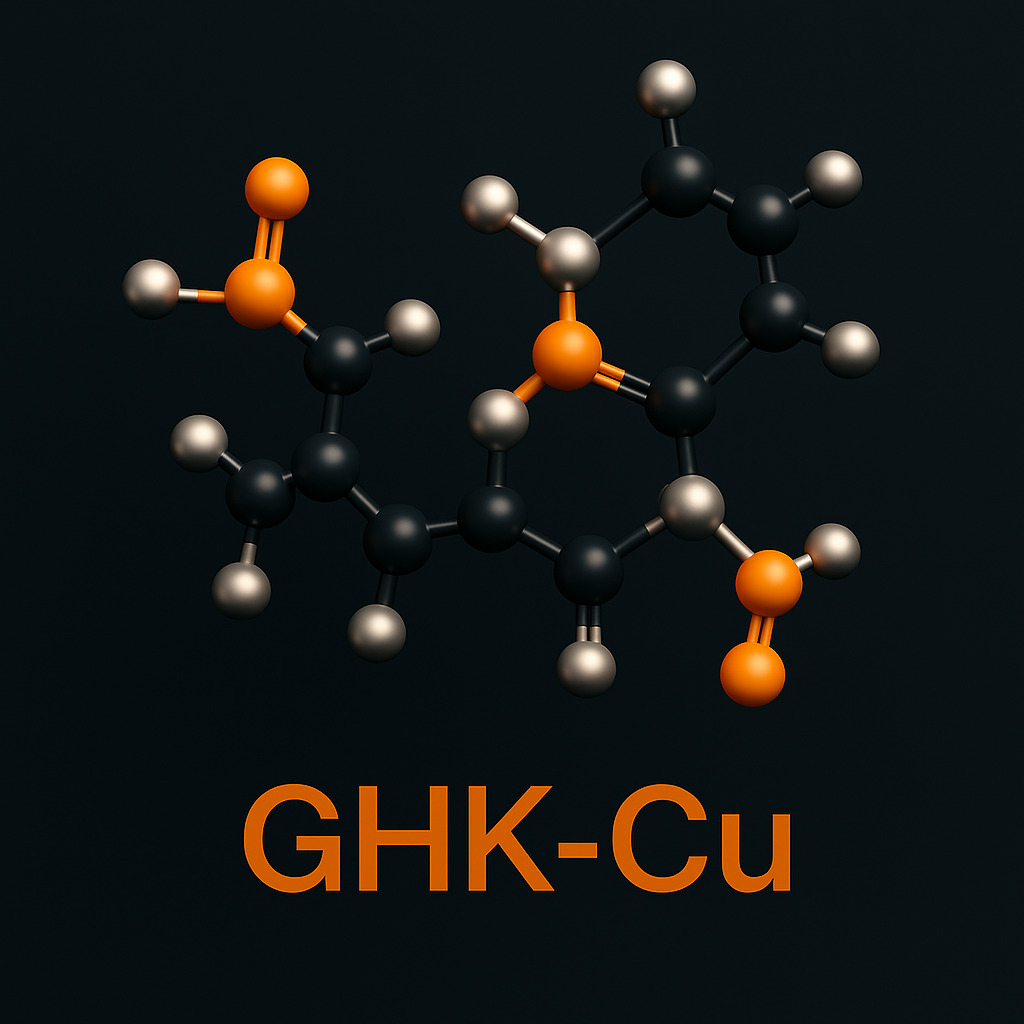
GHK-Cu (glycyl-L-histidyl-L-lysine-copper) is a naturally occurring copper-binding tripeptide first identified in human plasma in the 1970s. It plays a role in tissue remodeling, collagen synthesis, and cellular repair mechanisms. GHK-Cu has been extensively studied in dermatologic, cosmetic, and wound-healing research contexts, where it demonstrates regenerative and anti-inflammatory properties.
Mechanism of Action
GHK-Cu functions as a signaling molecule that modulates gene expression, promoting tissue regeneration and reducing oxidative stress. The peptide binds copper(II) ions, facilitating enzymatic activities crucial for collagen cross-linking, angiogenesis, and antioxidant defense. Research indicates that GHK-Cu influences over 4,000 human genes, upregulating those associated with tissue repair while downregulating inflammatory and fibrosis-related pathways.
Key biological effects reported in studies include:• Activation of dermal fibroblasts, enhancing collagen, elastin, and glycosaminoglycan synthesis• Modulation of matrix metalloproteinases (MMPs) and tissue inhibitors (TIMPs), balancing ECM turnover• Promotion of angiogenesis via vascular endothelial growth factor (VEGF) induction• Upregulation of antioxidant enzymes such as superoxide dismutase (SOD) and catalase• Restoration of hair follicle cycling and dermal papilla activity in scalp models
Potential Research Benefits
• Supports skin remodeling, firmness, and elasticity• Demonstrates wound-healing and scar reduction potential in animal and in vitro models• Stimulates hair follicle activity and anagen-phase reentry• Reduces markers of oxidative stress and inflammation in aging models• Enhances copper-dependent enzymatic processes, including lysyl oxidase and ceruloplasmin activity• Investigated for protective effects against UV-induced DNA damage and oxidative injury
Chemical / Physical Information
• Chemical Name: Glycyl-L-histidyl-L-lysine-copper(II)• Molecular Formula: C14H24N6O4•Cu• Molecular Weight: Approximately 403.9 Da• Appearance: Blue crystalline powder• Solubility: Water soluble• Storage: Lyophilized peptide should be stored at -20 °C protected from light and moisture. Reconstituted solutions should be aliquoted and frozen to prevent repeated freeze–thaw cycles.
Selected Research Highlights
• Clinical and preclinical research demonstrates GHK-Cu’s role in accelerating wound closure and improving skin elasticity.• In fibroblast culture studies, GHK-Cu enhances collagen and elastin synthesis up to 70% over controls.• In animal models, topical GHK-Cu reduced inflammation and fibrosis following injury.• Hair growth research indicates increased follicular cell proliferation and angiogenesis around the follicle bulb.• Transcriptomic analyses have identified widespread genetic modulation associated with cellular regeneration and anti-aging processes.
Regulatory & Compliance Notes
GHK-Cu is not approved for therapeutic or cosmetic use by regulatory authorities in most jurisdictions. It is designated for research and laboratory study only. Handling, procurement, and experimentation should comply with institutional biosafety and legal standards. Proper labeling and documentation are required for research-grade materials.
References (Selection)
1. Pickart L, et al. (1973). A tripeptide from human plasma that binds copper. J Biol Chem.2. Pickart L, Vasquez-Soltero JM, Margolina A. (2015). GHK peptide as a natural modulator of multiple biochemical pathways. BioMed Res Int.3. Maquart FX, et al. (1993). Stimulation of collagen synthesis in fibroblasts by the tripeptide GHK-Cu. FEBS Lett.4. Simeon A, Wegrowski Y. (2000). Expression of extracellular matrix components in fibroblast cultures treated with GHK-Cu. Cell Biol Int.5. Pickart L. (2018). Therapeutic potential of the human peptide GHK-Cu in tissue regeneration and aging. Clin Interv Aging.
Disclaimer
This article is intended for educational and research purposes only. GHK-Cu is not approved for human, cosmetic, or veterinary use. All experiments or studies should follow appropriate regulations, ethical standards, and institutional safety protocols.
—————–
Selected References
PMID: 30730597 — GHK-Cu peptide regulation of gene expression and tissue repair
PMID: 18254838 — Copper peptides in wound healing and skin regeneration
PMID: 20077475 — Anti-inflammatory and antioxidant actions of GHK-Cu
PMID: 25434065 — Peptide-mediated collagen synthesis and dermal remodeling
Frontiers in Molecular Biosciences — Copper-dependent peptide biology
Journal of Peptide Science — Bioactive copper peptides and regeneration mechanisms
GHK-Cu is a copper-binding tripeptide, often called copper tripeptide-1, studied for its potential roles in tissue remodeling, cellular signaling, and regenerative pathways in research settings.
In studies, GHK-Cu has been shown to interact with copper ions and influence gene expression patterns related to repair, antioxidant defenses, and extracellular matrix components.
No. GHK-Cu described here is a research compound and is not approved as a drug or for general therapeutic use.
Research explores GHK-Cu in models of skin integrity, tissue repair, oxidative stress balance, and cellular signaling related to regeneration.
No. GHK-Cu is a specific peptide–copper complex and is distinct from dietary or mineral copper supplements.
GHK-Cu is often evaluated in vitro and in animal or ex vivo tissue models that assess gene expression, collagen dynamics, antioxidant responses, and markers of tissue quality.
Available data suggest generally favorable tolerability in experimental settings, but comprehensive long-term safety for human use has not been established.
Related Research Compounds
Bronchogen: Short Peptide Bioregulator for Bronchial and Pulmonary Tissue Research
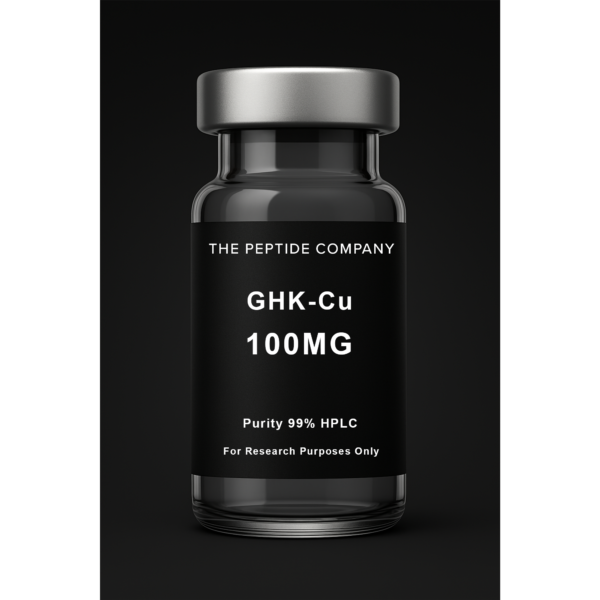
GHK-Cu 100mg is a copper-binding research compound explored for its role in regenerative signaling pathways, extracellular matrix regulation, gene expression modulation, and tissue remodeling research in controlled laboratory models.