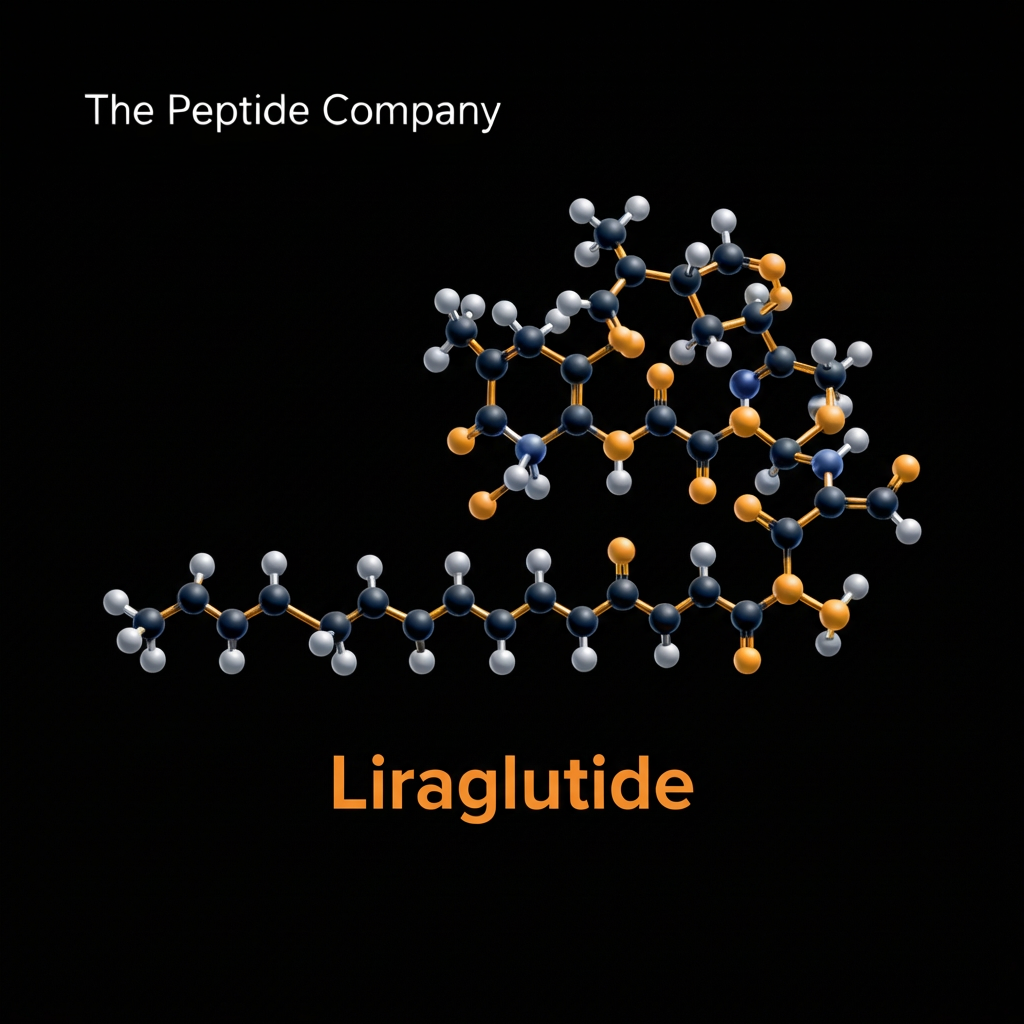
Liraglutide represents a monumental advancement in the field of metabolic peptide engineering, originally developed by research scientists at Novo Nordisk to harness the profound biological potential of the incretin system. The endogenous human incretin hormone, glucagon like peptide 1, is naturally secreted by the intestinal L cells in response to nutrient ingestion. While highly effective at regulating postprandial glucose levels, the native human peptide is rapidly degraded by the enzyme dipeptidyl peptidase 4, resulting in a biological half life of merely two minutes. The development of Liraglutide focused on creating a fatty acid acylated analog capable of resisting this rapid enzymatic destruction while maintaining potent and highly selective receptor activation.
In pharmacological terms, Liraglutide is formally classified as a long acting glucagon like peptide 1 receptor agonist. This classification reflects its ability to mimic the natural hormone and bind to specific G protein coupled receptors located throughout the body. By leveraging advanced lipid attachment technologies, researchers successfully created a molecule that binds to circulating human serum albumin. This clever transport mechanism creates an endogenous reservoir of the peptide within the bloodstream, allowing for a slow, continuous release that provides sustained receptor activation over a twenty four hour period, thereby facilitating once daily dosing in clinical and experimental environments.
When comparing Liraglutide to both the native human hormone and newer generation molecules like semaglutide, significant structural and kinetic differences emerge. While Liraglutide utilizes a sixteen carbon fatty acid chain to achieve its thirteen hour half life, semaglutide utilizes a more complex eighteen carbon diacid chain with a specialized linker, extending its half life to approximately one week. Despite these pharmacokinetic differences, Liraglutide remains a gold standard research compound due to its massive volume of published safety data, its proven efficacy in multiple tissue types, and its highly predictable dose response curve in both rodent and primate models.
Today, the research applications surrounding Liraglutide extend vastly beyond its initial indication for type 2 diabetes mellitus. The scientific community heavily utilizes this peptide to investigate complex physiological networks, including central nervous system pathways governing severe obesity, comprehensive cardiovascular protection models, and progressive neurodegenerative diseases. By evaluating how this single acylated peptide can simultaneously modulate insulin secretion, suppress inflammatory cytokines, and protect vascular endothelium, researchers continue to unlock the profound regenerative capabilities inherent within the mammalian incretin system.
MOLECULAR STRUCTURE AND FATTY ACID ACYLATION CHEMISTRY
The molecular architecture of Liraglutide is a brilliant example of rational peptide design aimed at overcoming the severe pharmacokinetic limitations of native human hormones. The foundation of the Liraglutide molecule maintains a ninety seven percent amino acid sequence homology with the native human glucagon like peptide 1 fragment. To achieve its prolonged biological activity, biochemists engineered two critical structural modifications to the native peptide backbone. The first modification involves a precise amino acid substitution where the natural arginine residue at position 34 is replaced with a lysine residue. This substitution ensures that the subsequent lipid attachment occurs only at the desired location, preventing unwanted structural variations during synthesis. This albumin binding mechanism acts as a slow release biological buffer. Because only a tiny fraction of the Liraglutide dose exists in an unbound, free state at any given moment, the risk of extreme receptor overstimulation is mitigated, resulting in a smooth and predictable pharmacokinetic profile. The spatial arrangement created by the gamma glutamic acid linker ensures that the crucial amino terminal region of the peptide remains fully exposed and geometrically available to interact with the extracellular binding domains of the target receptors.
These precise molecular modifications ensure that Liraglutide retains the exact biological potency of the native hormone while extending its functional half life from a mere two minutes to approximately thirteen hours. This extensive duration of action allows researchers to conduct long term metabolic studies in animal models without the stress and variable baseline fluctuations associated with continuous intravenous infusions or frequent multiple daily injections.
GLP-1 RECEPTOR BINDING AND CAMP SIGNAL TRANSDUCTION
The primary biological effects of Liraglutide are mediated exclusively through its high affinity interaction with the glucagon like peptide 1 receptor, a classic seven transmembrane domain G protein coupled receptor. These highly specialized receptors are densely expressed on the surface of pancreatic beta cells, where they play an absolutely critical role in the regulation of glucose homeostasis. When Liraglutide binds to the extracellular loops of this receptor, it induces a profound conformational change that transfers a mechanical signal across the cellular membrane.
The sudden accumulation of cyclic AMP within the beta cell cytoplasm directly activates two distinct parallel pathways: the protein kinase A pathway and the exchange protein activated by cAMP pathway. Protein kinase A proceeds to phosphorylate numerous downstream targets, including critical voltage dependent calcium channels and ATP sensitive potassium channels. The closure of the potassium channels depolarizes the cellular membrane, allowing a massive influx of extracellular calcium ions. This calcium surge triggers the immediate exocytosis of insulin containing secretory granules.
This multifaceted signal transduction network explains why Liraglutide does not induce severe hypoglycemia in experimental models. By requiring the presence of elevated glucose to trigger insulin release, and by simultaneously suppressing counter regulatory hormones and slowing digestion, the peptide creates a perfectly balanced, multi systemic approach to total metabolic regulation.
BETA CELL PRESERVATION AND PANCREATIC RESEARCH
One of the most intensely researched aspects of Liraglutide involves its profound ability to not only stimulate beta cell function but to actively protect and regenerate the pancreatic islet architecture. Type 2 diabetes is characterized by the progressive failure and death of pancreatic beta cells due to chronic metabolic stress and lipotoxicity. Research models consistently demonstrate that targeted receptor activation by Liraglutide initiates powerful intracellular survival programs that halt this destructive progression.
Following the activation of the primary cyclic AMP cascade, Liraglutide initiates cross talk with the PI3K Akt signaling pathway. The activation of protein kinase B, also known as Akt, acts as a master survival switch within the beta cell. This pathway actively stimulates cellular proliferation and significantly increases the expression of genes responsible for insulin biosynthesis, ensuring the cells have adequate resources to meet metabolic demands.
Furthermore, Liraglutide has been shown to drastically reduce chronic endoplasmic reticulum stress within the pancreatic islets. When beta cells are forced to produce massive quantities of insulin due to peripheral insulin resistance, the endoplasmic reticulum becomes overwhelmed, leading to the accumulation of unfolded proteins and subsequent cellular suicide. The peptide mitigates this stress by enhancing the efficiency of the protein folding machinery and increasing cellular chaperone proteins.
By promoting insulin biosynthesis, protecting against oxidative damage, and directly preventing programmed cell death, Liraglutide offers a comprehensive defensive shield for the pancreas, making it a cornerstone compound in beta cell preservation research.
METABOLIC RESEARCH: WEIGHT REGULATION AND ADIPOSE TISSUE EFFECTS
Beyond its primary role in the pancreas, Liraglutide exerts massive regulatory influence over global energy balance and total body weight. This weight loss mechanism is not simply a secondary side effect of delayed gastric emptying, but rather a profound, direct intervention within the central nervous system. The peptide crosses the blood brain barrier and interacts directly with highly specialized neuronal networks located deep within the hypothalamus.
The specific target for these central effects is the hypothalamic arcuate nucleus, the command center for mammalian appetite regulation. Within this region, Liraglutide heavily stimulates the pro opiomelanocortin neurons, which are responsible for generating powerful signals of satiety and fullness. Simultaneously, the peptide actively suppresses the neuropeptide Y and agouti related peptide neuronal networks, which typically drive hunger and energy conservation behaviors.
The downstream effects of this caloric deficit on adipose tissue are highly favorable for metabolic health. Research data consistently shows that Liraglutide treatment leads to targeted reductions in deep visceral adipose tissue, the highly inflammatory fat depots surrounding the internal organs that heavily contribute to systemic insulin resistance.
By rewiring the neurological drive to consume calories while simultaneously improving the metabolic profile of peripheral fat stores, Liraglutide provides researchers with a highly reliable tool for studying the reversal of severe obesity and its associated metabolic derangements.
CARDIOVASCULAR RESEARCH AND CARDIO PROTECTIVE MECHANISMS
The impact of Liraglutide on cardiovascular health represents one of the most paradigm shifting discoveries in modern peptide pharmacology.
For decades, metabolic treatments focused solely on lowering blood glucose, often failing to reduce the massive cardiovascular mortality rates associated with diabetes. The publication of the landmark LEADER trial shattered this trend, proving that targeted receptor agonism could actively protect the heart and vasculature.
The protective mechanisms are multifaceted and operate both directly and indirectly. The specific receptors for the peptide are heavily expressed directly on cardiac myocytes and the endothelial cells lining the major blood vessels. When Liraglutide activates these vascular receptors, it initiates a powerful anti inflammatory signaling cascade that preserves the integrity of the vascular wall and prevents the initiation of atherosclerosis.
In laboratory models of advanced atherosclerosis, the administration of the peptide actively reduces the formation of dangerous arterial plaques. It achieves this by suppressing the adhesion of circulating monocytes to the vascular wall and preventing their transformation into lipid engorged macrophage foam cells. Furthermore, it actively lowers systemic blood pressure through mild natriuretic effects in the kidneys and direct relaxation of vascular smooth muscle tissue.
These profound cardiovascular benefits have completely rewritten the clinical and experimental approach to metabolic disease, proving that regulating the incretin pathway provides comprehensive protection for the entire mammalian circulatory system.
NEUROPROTECTIVE AND CENTRAL NERVOUS SYSTEM RESEARCH
As researchers recognized the profound ability of Liraglutide to cross the blood brain barrier, investigations rapidly expanded into the realm of advanced neuroprotection. The specific receptors targeted by the peptide are densely expressed in critical cognitive regions, including the hippocampus, the prefrontal cortex, and the basal ganglia. This distribution positions the compound perfectly for interventions in severe neurodegenerative disorders.
In experimental models of Alzheimer’s disease, the brain is characterized by massive insulin resistance, often referred to as type 3 diabetes, alongside the toxic accumulation of amyloid beta plaques. Liraglutide intervenes by restoring normal insulin signaling within the neurons, highly up regulating the production of brain derived neurotrophic factor, and protecting the fragile mitochondrial networks from severe oxidative destruction.
Similar protective effects are observed in Parkinson’s disease research models. The administration of the peptide heavily protects the highly vulnerable dopaminergic neurons residing in the substantia nigra. By suppressing massive neuroinflammation driven by hyperactive microglial cells, the compound prevents the secondary wave of cellular death that typically characterizes progressive movement disorders.
The translation of these neurological findings into clinical reality remains one of the most exciting and intensely pursued avenues of modern peptide science, offering hope for conditions that currently lack any disease modifying treatments.
RENAL AND HEPATIC RESEARCH APPLICATIONS
The systemic benefits of Liraglutide extend deeply into the major metabolic filtration organs, specifically the kidneys and the liver. Diabetic nephropathy is a leading cause of massive renal failure, driven by severe glomerular hyperfiltration, chronic local inflammation, and extreme oxidative stress. The specific receptors targeted by the peptide are highly expressed in the kidney tubular cells, allowing for direct pharmacological intervention.
Research models of severe kidney disease demonstrate that Liraglutide administration significantly reduces total albuminuria, a primary marker of glomerular damage. The peptide exerts profound anti inflammatory renal effects, suppressing the local accumulation of destructive macrophages and preventing the pathological expansion of the mesangial matrix that ultimately chokes the filtration system.
Parallel research in hepatic models heavily focuses on non alcoholic fatty liver disease, a condition characterized by the toxic accumulation of massive lipid droplets within the liver tissue. While the liver lacks dense direct receptor expression, Liraglutide exerts profound indirect benefits by vastly improving global insulin sensitivity, reducing total body weight, and heavily suppressing the flow of toxic free fatty acids from peripheral fat stores to the liver.
These organ specific protective mechanisms demonstrate that incretin modulation is not merely a pancreatic phenomenon, but a massive systemic signaling network that defends the structural integrity of every major metabolic organ in the body.
COMPARATIVE ANALYSIS WITH OTHER GLP-1 RECEPTOR AGONISTS AND TRANSLATIONAL CONSIDERATIONS
Within the rapidly expanding class of incretin based therapies, Liraglutide holds a distinct and highly respected historical position. When conducting a comparative analysis against older first generation agents like exenatide, and newer highly advanced molecules like semaglutide, several critical pharmacological distinctions become immediately apparent.
Exenatide, derived originally from the venom of the Gila monster, features a completely different amino acid sequence and suffers from a highly restricted half life requiring twice daily administration.
Liraglutide solved this issue with its brilliant C16 fatty acid acylation, allowing for smooth once daily dosing. However, the newer generation semaglutide utilizes a much larger C18 diacid chain and a specialized highly stable linker, exponentially increasing albumin binding and allowing for once weekly administration.
Despite the massive successes of this peptide class, significant ongoing research gaps remain. The long term neurological effects of continuous receptor agonism over decades of human use require massive ongoing observation. Furthermore, researchers are actively investigating the potential for combining these peptides with dual agonists targeting the glucose dependent insulinotropic polypeptide or glucagon receptors to drive even more profound metabolic corrections.
As experimental models continue to push the boundaries of peptide science, Liraglutide remains the foundational benchmark against which all future metabolic interventions will be heavily judged, securing its legacy as a true masterpiece of rational molecular engineering.
SOURCED STUDIES
Liraglutide is primarily studied for its role in GLP-1 receptor activation and its effects on glucose metabolism, insulin signaling, and energy balance in experimental models.
It mimics the activity of endogenous GLP-1, enhancing incretin signaling pathways involved in glucose-dependent insulin release and metabolic regulation.
Liraglutide is structurally modified with a fatty acid side chain, allowing albumin binding and protection from enzymatic breakdown by DPP-4.
It is studied in pathways related to insulin secretion, glucagon suppression, gastric emptying, appetite signaling, and cardiometabolic regulation.
Yes, it is widely studied in experimental models for its association with cardiovascular signaling, inflammation modulation, and metabolic homeostasis.
Unlike native GLP-1, Liraglutide has an extended half-life due to molecular modifications, enabling prolonged receptor activation and sustained signaling effects.
PMID:
6420373 — Triptorelin and GnRH agonist receptor signaling
6188026 — Continuous GnRH stimulation and pituitary desensitization
6813643 — GnRH agonists and gonadotropin suppression mechanisms
9082563 — Triptorelin effects on LH and FSH secretion
1905666 — GnRH analog modulation of pituitary signaling
1924466 — Hypothalamic-pituitary-gonadal axis suppression research
2145588 — Pharmacology of Triptorelin and GnRH analogs
8390782 — Long-acting GnRH agonist endocrine modulation
10446354 — GnRH receptor downregulation mechanisms
16886967 — Triptorelin and reproductive hormone regulation
Semaglutide : GLP-1 Receptor Agonism, Incretin Signaling, and Metabolic Regulation