Cognitive Research, BDNF and NGF Modulation, and Synaptic Plasticity Mechanisms in ExperimentalModels
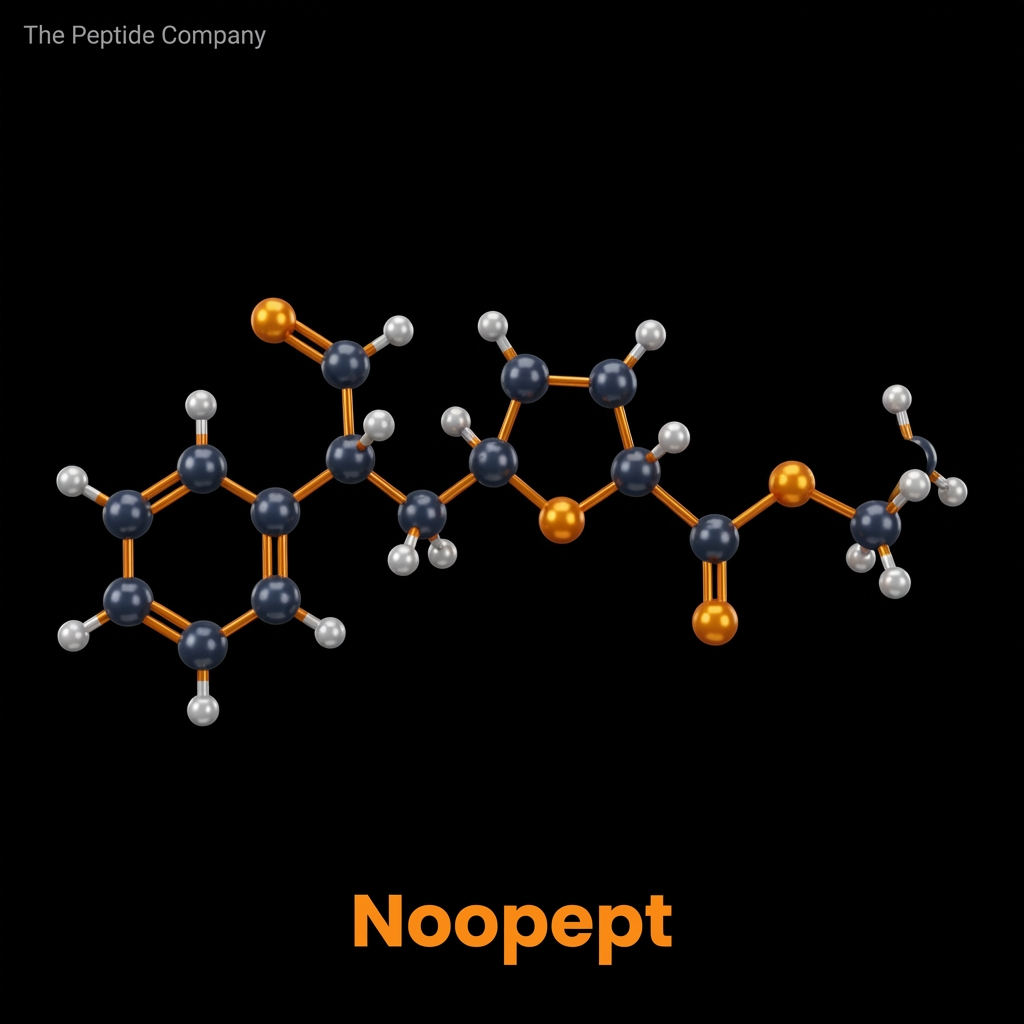
Noopept, chemically designated as N-phenylacetyl-L-prolylglycine ethyl ester (and frequently identified in literature by its developmental code GVS-111), is a synthetic dipeptide analogue characterized by profound neurotropic and neuroprotective properties. Developed in the mid-1990s at the V.V. Zakusov Research Institute of Pharmacology within the Russian Academy of Medical Sciences, Noopept was systematically engineered to mimic the structure and function of endogenous cyclic dipeptides while circumventing their pharmacokinetic limitations. It has since emerged as one of the most extensively researched compounds in the broad category of cognitive enhancers, or nootropics.
Originally conceptualized during the structural modification of Piracetam, the prototypical racetam nootropic, Noopept was designed by replacing the pyrrolidone ring with a dipeptide structure containing proline and glycine. This rational drug design strategy yielded a molecule that is structurally distinct from the racetam family yet shares certain pharmacological objectives. Remarkably, experimental models have demonstrated that Noopept achieves equipotent cognitive-enhancing effects at concentrations up to 1000 times lower than those required for Piracetam, operating efficiently in the microgram-per-kilogram dosage range in rodent behavioral paradigms.
The primary mechanism by which Noopept exerts its prolonged neurobiological effects is intrinsically linked to its status as a prodrug. Upon administration, it undergoes rapid enzymatic hydrolysis to yield cycloprolylglycine (CPG), a naturally occurring cyclic neuropeptide in the mammalian brain that modulates excitatory neurotransmission. Contemporary research into Noopept has expanded far beyond its initial characterization as a simple memory-enhancing agent, revealing complex modulatory effects on neurotrophic factor expression—specifically Brain-Derived Neurotrophic Factor (BDNF) and Nerve Growth
Factor (NGF)—as well as robust anti-apoptotic, antioxidant, and anti-
inflammatory signaling cascades that hold significant implications for neurodegenerative disease models.
MOLECULAR STRUCTURE, PHARMACOKINETICS, AND BIOAVAILABILITY
The molecular architecture of Noopept (C17H22N2O4) is meticulously designed to optimize its pharmacological profile. The inclusion of a phenylacetyl group increases the lipophilicity of the molecule, which is critical for facilitating its transport across the blood-brain barrier (BBB). The core L-prolylglycine sequence provides the necessary bioactivity, while the ethyl ester modification shields the peptide bond from premature enzymatic degradation in the gastrointestinal tract and systemic circulation.
Once Noopept enters the systemic circulation and penetrates the CNS, it is subjected to extensive metabolic processing. The primary metabolic pathway involves the enzymatic hydrolysis of the ethyl ester and the cleavage of the phenylacetyl moiety, resulting in the formation of cycloprolylglycine (CPG). CPG is a highly active endogenous cyclic dipeptide known to interact directly with AMPA receptors and modulate cellular stress responses. The conversion of Noopept to CPG explains the discrepancy between the compound’s relatively short plasma half-life (approximately 15-20 minutes in rats) and its sustained, long-duration neurobiological effects.
The ability of Noopept to successfully navigate the highly selective blood-brain barrier remains one of its most defining features in experimental pharmacology. Studies measuring the brain-to-plasma concentration ratio confirm that the intact molecule and its primary metabolites readily accumulate in the hippocampus, cerebral cortex, and striatum—regions intrinsically associated with learning, memory consolidation, and executive function.
BDNF AND NGF UPREGULATION: NEUROTROPHIC FACTOR SIGNALING
The long-term cognitive and neurorestorative effects of Noopept are primarily attributed to its profound ability to stimulate the synthesis and secretion of neurotrophins. Brain-Derived Neurotrophic Factor (BDNF) and Nerve Growth Factor (NGF) are critical signaling proteins responsible for neurogenesis, the promotion of neuronal survival, and the regulation of use-dependent synaptic plasticity. Unlike classical neurotransmitter modulators, Noopept’s induction of these factors provides a structural basis for permanent enhancements in cognitive reserve.
The intracellular signaling cascade responsible for this neurotrophic upregulation involves the activation of the Tropomyosin receptor kinase B (TrkB) by BDNF, which subsequently triggers the PI3K/Akt and MAPK/ERK pathways. Noopept appears to sensitize these pathways, leading to increased phosphorylation of the cAMP response element-binding protein (CREB). Phosphorylated CREB translocates to the nucleus and binds to specific DNA sequences, driving the transcription of genes
essential for dendritic spine proliferation and neurogenesis in the dentate
gyrus.
When compared to traditional racetams, Noopept’s ability to selectively target the BDNF/NGF axis is highly unique. While Piracetam primarily influences membrane fluidity and ion channel kinetics, Noopept enacts fundamental changes in the proteomic landscape of the neuron, offering a mechanism that not only enhances immediate cognitive recall but facilitates the long-term structural remodeling of neural circuits.
GLUTAMATE RECEPTOR MODULATION AND SYNAPTIC POTENTIATION
Excitatory neurotransmission via the glutamatergic system is the fundamental mechanism underlying Long-Term Potentiation (LTP)—the persistent strengthening of synapses based on recent patterns of activity. Noopept modulates this system not by acting as a direct agonist, which could lead to excitotoxicity, but by functioning as a positive allosteric modulator of specific ionotropic glutamate receptors.
Beyond AMPA receptor potentiation, Noopept influences the N-methyl-D-aspartate (NMDA) receptor complex. Research models indicate that Noopept enhances the calcium influx necessary for LTP induction while concurrently preventing the massive, uncontrolled calcium surges
associated with pathological glutamate excitotoxicity. This dual nature—
enhancing functional calcium signaling while preventing toxic calcium overload—highlights the peptide’s sophisticated regulatory profile.
Furthermore, experimental data in aged rodent models highlights that chronic Noopept administration reverses age-related declines in synaptic density. By upregulating synaptic vesicle proteins like synaptophysin and postsynaptic scaffolding proteins such as PSD-95, Noopept essentially rejuvenates the structural integrity of the synapse, restoring transmission efficiency to levels observed in younger cohorts.
NEUROPROTECTION AND ANTI-APOPTOTIC MECHANISMS
The neuroprotective capacity of Noopept extends across multiple domains of cellular stress, including oxidative damage, excitotoxicity, and protein misfolding toxicity. In environments characterized by elevated Reactive Oxygen Species (ROS), Noopept acts as a potent intracellular scavenger, preserving mitochondrial membrane potential and preventing the initiation of intrinsic apoptotic pathways.
In addition to its anti-apoptotic effects, Noopept demonstrates robust anti-inflammatory properties within the CNS. Neuroinflammation, driven by the overactivation of microglia and astrocytes, is a hallmark of numerous neurological pathologies. Noopept administration has been
shown to downregulate the activity of Nuclear Factor-kappa B (NF-κB), a
master transcriptional regulator of pro-inflammatory cytokines.
These neuroprotective mechanisms are crucial when examining the peptide’s efficacy in preclinical models of traumatic brain injury (TBI) and global cerebral ischemia. In these models, Noopept limits the expansion of the infarct volume and reduces the severity of post-traumatic neurological deficits, underscoring its potential utility as a neuro-rescue agent in acute clinical settings.
COGNITIVE ENHANCEMENT RESEARCH: LEARNING, MEMORY, AND ATTENTION MODELS
The behavioral and cognitive effects of Noopept have been rigorously tested across an array of standardized preclinical models. In paradigms assessing spatial navigation, contextual memory, and associative learning, Noopept consistently demonstrates dose-dependent improvements that surpass traditional reference compounds.
Noopept is unique in its ability to facilitate all three primary phases of memory: initial processing (encoding), consolidation, and subsequent retrieval. Experimental data suggests that Noopept is highly effective at reversing both retrograde amnesia (induced by electroconvulsive shock) and anterograde amnesia (induced by pharmacological blockade).
Additionally, observations in aged animal models reveal that Noopept normalizes the decline in exploratory behavior and object recognition typically associated with senescence. The restoration of novel object recognition (NOR) capabilities further supports the hypothesis that Noopept rejuvenates cortical processing networks responsible for working memory.
ANXIOLYTIC AND MOOD- RELATED RESEARCH
Unlike traditional psychostimulants that often exacerbate anxiety, or classical tranquilizers that induce sedation and impair cognition, Noopept exhibits a unique pharmacological profile characterized by simultaneous nootropic and anxiolytic properties. This “mild tranquilizing” effect has been thoroughly investigated in models of chronic stress and anxiety.
The anxiolytic mechanism of Noopept is hypothesized to involve complex interactions with the serotonergic and dopaminergic systems, as well as the suppression of stress-induced oxidative damage in the amygdala and hippocampus. Electroencephalographic (EEG) research further supports this, showing an increase in alpha-wave and beta-wave activity in the cortex, a state highly correlated with relaxed alertness and focused attention.
This dual capability—enhancing cognitive function while actively suppressing anxiety—makes Noopept an invaluable research tool in exploring the neurobiology of stress-induced cognitive impairment and post-traumatic stress disorder (PTSD) models.
ALZHEIMER’S DISEASE AND NEURODEGENERATION RESEARCH MODELS
The convergence of Noopept’s neuroprotective, neurotrophic, and cognitive-enhancing mechanisms positions it as a highly compelling candidate for research into neurodegenerative pathologies, particularly Alzheimer’s Disease (AD). In transgenic and chemically induced models of AD, Noopept directly interferes with the core pathological hallmarks of the disease: beta-amyloid (Aβ) aggregation and tau hyperphosphorylation.
Beyond amyloid pathology, Noopept interacts with the complex kinase networks responsible for tau protein hyperphosphorylation, the primary constituent of neurofibrillary tangles. Research indicates that Noopept modulates the activity of Glycogen synthase kinase 3 beta (GSK-3β), inhibiting its ability to abnormally phosphorylate tau.
Furthermore, Noopept’s ability to quench reactive oxygen species and suppress neuroinflammation directly addresses the secondary cascades of cellular damage that accelerate neuronal death in AD and Parkinson’s disease models, making it a multifaceted approach to neurodegeneration.
RESEARCH MODELS AND TRANSLATIONAL CONSIDERATIONS
While the breadth of preclinical data highlighting Noopept’s efficacy is substantial, translating these findings from experimental rodent models to clinical human applications remains a subject of ongoing investigation. Current research focuses on understanding the precise dose-response curves, long-term safety profiles, and receptor-specific binding kinetics in human tissue.
Future research directions emphasize the exploration of Noopept’s utility in neurodevelopmental disorders, its potential synergistic effects when co-administered with other racetams or cholinergic precursors (such as Alpha-GPC or CDP-Choline), and the development of advanced delivery mechanisms to further prolong its circulatory half-life. As the understanding of neuropeptide signaling expands, Noopept remains a foundational molecule in the pursuit of comprehensive pharmacological cognitive enhancement.
SOURCED STUDIES
887. DOI: 10.1007/s11055-010-9346-6.
Noopept is a synthetic dipeptide analogue studied for its role in cognitive signaling, neurotrophic factor modulation, and synaptic plasticity pathways.
It is investigated for its interaction with neurotrophic pathways, including modulation of BDNF and NGF expression in neuronal systems.
BDNF and NGF are neurotrophic factors involved in neuron growth, survival, and synaptic plasticity.
Research models explore its involvement in memory, learning, and neuronal signaling pathways.
Studies suggest it may support mechanisms associated with synaptic plasticity and neural adaptation.
It is studied in relation to neuroprotection, oxidative stress response, and neuronal communication.
Noopept is structurally different but often compared to racetams due to its role in cognitive-related pathways.
Research suggests it may interact with glutamatergic signaling and synaptic transmission processes.
Its small molecular structure and ability to influence neurotrophic pathways distinguish it from larger peptide compounds.
It is described as a neuroactive dipeptide analogue studied for cognitive and neuroprotective signaling mechanisms.
PMID: 19240853 — Noopept stimulates expression of NGF and BDNF in rat hippocampus
PMID: 21395007 — Effects of Noopept on neurotrophic factors and stress-related signaling
PMID: 24616582 — Mechanisms of peptide-based neuroprotection and synaptic modulation
PMID: 27510928 — Neuroprotective signaling and neuronal plasticity pathways
PMID: 29854555 — Cognitive modulation and neurotrophic factor regulation
PMID: 16778142 — Peptide regulation of neuronal signaling pathways
PMID: 18261867 — Cellular signaling mechanisms in neuroactive peptides
PMID: 21406988 — Endocrine and neurological pathway interactions
PMID: 25900322 — Peptide analogues in cognitive research
PMID: 23443520 — Synaptic plasticity and neurotrophic signaling mechanisms
PE‑22‑28: Selective Neuropeptide Analog in Serotonergic and Stress‑Response Research
Ara‑290 : Erythropoietin‑Derived Peptide, Tissue Protection, and Neuropathic Repair Mechanisms
Selank : Tuftsin-Derived Heptapeptide and Neuromodulatory Research Pathways