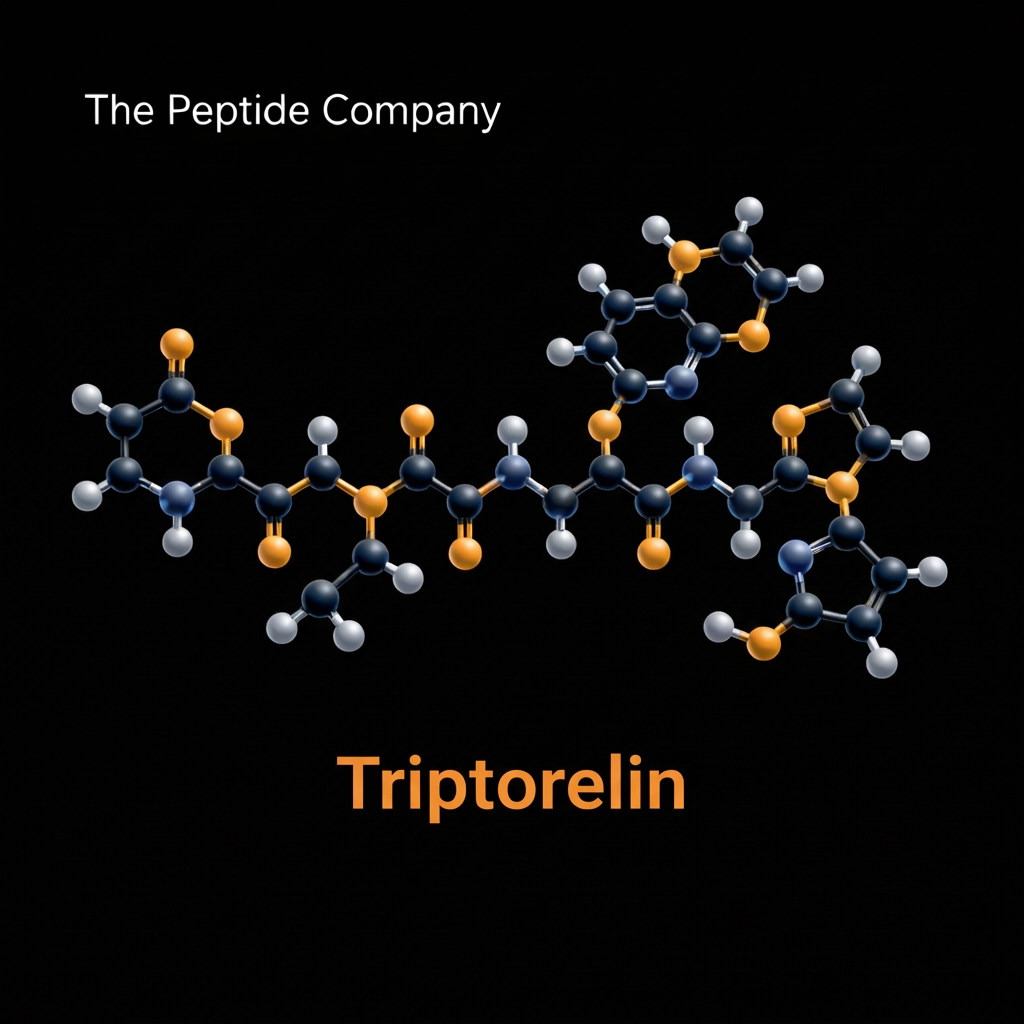
Triptorelin is a highly potent synthetic decapeptide analog of the endogenous gonadotropin releasing hormone naturally produced within the hypothalamus. Developed through extensive biochemical engineering to manipulate the complex feedback loops of the human endocrine system, this peptide compound has become a foundational tool in advanced reproductive and oncological research. The primary objective behind the creation of Triptorelin was to design a molecule capable of safely and reversibly regulating the synthesis of key reproductive hormones by targeting the anterior pituitary gland directly. This targeted approach allows researchers to study profound hormonal suppression without the need for irreversible surgical interventions in experimental models.
As a specific gonadotropin releasing hormone agonist, Triptorelin exhibits a highly unique pharmacological behavior characterized by a paradoxical desensitization mechanism. Under normal physiological conditions, endogenous gonadotropin releasing hormone is secreted in a pulsatile manner, which stimulates the pituitary gland to release luteinizing hormone and follicle stimulating hormone. When Triptorelin is introduced in a continuous, non pulsatile formulation, it initially acts as a superagonist, causing a massive initial release of these pituitary hormones. However, sustained exposure to the synthetic peptide rapidly overstimulates the receptors, leading to their internal cellular degradation and a subsequent complete shutdown of gonadotropin production.
This biphasic response is central to the wide array of experimental research applications currently utilizing Triptorelin. By intentionally crashing the production of luteinizing hormone and follicle stimulating hormone, researchers can effectively eliminate the downstream synthesis of gonadal steroids, namely testosterone in males and estradiol in females. This profound state of biochemical castration or medically induced menopause provides an ideal physiological environment for studying hormone dependent conditions. Laboratory models frequently leverage this mechanism to investigate the progression and regression of steroid sensitive pathologies over extended timeframes.
Today, the research landscape surrounding Triptorelin encompasses diverse medical disciplines ranging from reproductive endocrinology to advanced neurobiology. Primary investigative areas include the suppression of hormone dependent tumor models, such as advanced prostate and breast cancer cell lines, as well as the management of severe endometriosis and uterine fibroids in female animal models.
Furthermore, emerging research is actively exploring the secondary systemic effects of profound sex steroid deprivation, including changes in bone mineral density, cognitive function, and cardiovascular health, making Triptorelin a molecule of immense translational value in modern peptide science.
MOLECULAR STRUCTURE AND GNRH ANALOG CHEMISTRY
The molecular architecture of Triptorelin is a masterclass in rational peptide design. The endogenous gonadotropin releasing hormone is a decapeptide characterized by the amino acid sequence pyroglutamate histidine tryptophan serine tyrosine glycine leucine arginine proline glycine amide. While highly effective in its natural biological context, this native peptide has an extremely short biological half life of approximately two to four minutes due to rapid enzymatic degradation by specific endopeptidases located in the hypothalamus and pituitary tissues. To overcome this limitation for research purposes, biochemists modified the native sequence to enhance both stability and receptor affinity.
The specific substitution of D Tryptophan at position six does more than just protect the peptide from enzymatic breakdown. This structural adjustment significantly increases the binding affinity of Triptorelin for the gonadotropin releasing hormone receptor located on the surface of pituitary gonadotroph cells. Research indicates that the binding affinity of Triptorelin is approximately one hundred times greater than that of the native peptide. This immense receptor affinity ensures that the synthetic analog outcompetes endogenous signaling molecules, maintaining dominant control over the receptor complex even at relatively low circulating concentrations.
The development of these advanced depot formulations revolutionized the use of Triptorelin in laboratory environments. By engineering a delivery matrix that slowly degrades via passive hydrolysis in the tissue, researchers can maintain continuous receptor saturation without the need for daily subcutaneous injections. This sustained release chemistry is the ultimate driver of the paradoxical desensitization effect, as the pituitary gland is never granted a recovery window to upregulate new receptor proteins.
GNRH RECEPTOR BINDING AND PITUITARY DESENSITIZATION MECHANISMS
The primary target of Triptorelin is the gonadotropin releasing hormone receptor, a classic seven transmembrane G protein coupled receptor expressed predominantly on the surface of gonadotroph cells within the anterior pituitary gland. The sequence of cellular events that follows Triptorelin binding is highly complex and illustrates the intricate feedback mechanisms inherent to endocrine cells. Initially, the binding of the superagonist triggers a robust classical signaling cascade that rapidly upregulates hormone secretion.
This initial flare effect is a critical consideration in experimental research, as it temporarily exacerbates the very hormonal environment the peptide is designed to suppress. Following this initial period of hyperstimulation, the continuous presence of Triptorelin forces the cellular machinery into a defensive posture. The constant activation of the intracellular signaling cascades triggers complex negative feedback loops designed to protect the cell from toxic overstimulation.
Through this elegant mechanism of induced cellular exhaustion, Triptorelin effectively silences the pituitary gland. The uncoupling of the Gq protein cascade ensures that even if trace amounts of functional receptors remain on the cell surface, they cannot transmit the signal required to manufacture new hormones. This state of profound desensitization is entirely reversible; once the continuous delivery of the peptide ceases and the remaining molecules are cleared from the system, the pituitary gradually synthesizes new receptor proteins and restores normal pulsatile function.
HYPOTHALAMIC PITUITARY GONADAL AXIS SUPPRESSION
The ultimate systemic consequence of pituitary desensitization is the complete suppression of the hypothalamic pituitary gonadal axis. This physiological axis relies on a delicate balance of positive and negative feedback loops to maintain normal reproductive function. The hypothalamus releases gonadotropin releasing hormone to stimulate the pituitary, which releases luteinizing hormone and follicle stimulating hormone to stimulate the gonads. The gonads, in turn, produce sex steroids that feed back to the brain to modulate further hormone release. Triptorelin completely severs this communication chain at the pituitary level.
This biochemical castration is remarkably consistent and highly reproducible across diverse mammalian species, making it an invaluable standard in laboratory research. In female models, the suppression of follicle stimulating hormone prevents the maturation of ovarian follicles, while the lack of luteinizing hormone halts the production of estradiol and progesterone. This effectively induces a state of profound hypoestrogenism, simulating a complete menopausal transition.
The disruption of the feedback loop also affects higher regulatory centers in the brain. Because the gonads are no longer producing steroids, the hypothalamus perceives a severe hormonal deficit and attempts to compensate by upregulating its own production of endogenous gonadotropin releasing hormone. However, because the pituitary receptors remain blocked and degraded by the continuous presence of Triptorelin, these hypothalamic efforts are completely futile. This isolated hypothalamic activity provides researchers with a unique window into the independent functioning of distinct brain regions during states of profound systemic hormonal deprivation.
RESEARCH APPLICATIONS IN HORMONE DEPENDENT TUMOR MODELS
The most prominent application of Triptorelin in modern biomedical research involves the investigation of hormone dependent oncology models. Many abnormal cellular proliferations, particularly those originating in reproductive tissues, rely heavily on circulating androgens or estrogens to fuel their rapid division and prevent cellular apoptosis. By utilizing Triptorelin to eliminate these fuel sources, researchers can meticulously study the mechanisms of tumor growth arrest and cellular death.
While the initial regression of tumor volume is significant, research models also utilize Triptorelin to study the inevitable development of castration resistant disease states. Over prolonged periods of complete androgen deprivation, certain cancer cell lines mutate to synthesize their own localized androgens or develop hypersensitive receptors that activate in the absence of traditional ligands. Triptorelin provides the necessary baseline suppression required to observe and map these complex cellular escape mechanisms.
Similarly, in female research models, Triptorelin is utilized to investigate estrogen dependent conditions including specific phenotypes of breast cancer, advanced endometriosis, and large uterine fibroids. By completely suppressing ovarian estradiol production, researchers can evaluate the regression of ectopic endometrial tissue implants and monitor the shrinkage of fibroid masses. The peptide allows for the careful study of angiogenesis inhibition within these abnormal tissues, as the lack of estrogen signaling significantly reduces the expression of vascular endothelial growth factor, essentially starving the abnormal growths of their local blood supply.
REPRODUCTIVE BIOLOGY AND FERTILITY RESEARCH
In a fascinating paradox, while Triptorelin is primarily known for suppressing the reproductive axis, it is also a cornerstone compound in the research and development of advanced fertility treatments. In the context of controlled ovarian stimulation protocols utilized in in vitro fertilization research, achieving absolute control over the hormonal environment is critical to ensure the simultaneous maturation of multiple viable oocytes.
Beyond female fertility models, Triptorelin is actively investigated in male reproductive biology, particularly regarding spermatogenesis and potential contraceptive applications. Deep suppression of luteinizing hormone and follicle stimulating hormone severely impairs the function of the seminiferous tubules, leading to a massive reduction in sperm count and motility. Researchers carefully monitor the time course of this suppression and the subsequent recovery phase after peptide withdrawal to evaluate the feasibility and safety of temporary biochemical sterilization in mammalian subjects.
The absolute reversibility of Triptorelin induced suppression remains a major focus of fertility preservation research. Experimental protocols often utilize the peptide to temporarily shut down the reproductive axis in juvenile models prior to the administration of highly toxic chemotherapy agents. Researchers hypothesize that putting the delicate gonadal stem cells into a dormant, metabolically inactive state may protect them from the cytotoxic damage typically caused by harsh alkylating agents, thereby preserving long term reproductive potential following cancer treatments.
NEURO PROTECTIVE AND CENTRAL NERVOUS SYSTEM RESEARCH
While the peripheral effects of Triptorelin on the gonads are well mapped, emerging research is rapidly expanding into the central nervous system. Modern immunohistochemical mapping has identified the unexpected presence of specific gonadotropin releasing hormone receptors across various regions of the brain, most notably within the cerebral cortex and the hippocampus, areas intimately associated with memory consolidation and complex executive function.
This discovery has launched novel investigations into the potential neuroprotective effects of manipulating these central receptors.
Researchers are exploring how the direct binding of Triptorelin to hippocampal neurons might influence the production of local neurotrophic factors independently of the systemic suppression of sex steroids. Additionally, the profound systemic loss of estrogen and testosterone induced by the peptide presents a unique model for studying the cognitive consequences of sudden hormone deprivation.
These intricate models highlight the double edged nature of profound hormonal manipulation. While researchers carefully document potential declines in spatial memory and psychomotor speed following the removal of systemic testosterone and estrogen, they simultaneously investigate whether the direct central action of the peptide can mitigate these effects. This ongoing research is critical for understanding the long term neurological safety profile of prolonged hormone suppression therapies.
BONEMINERAL DENSITY ANDMETABOLIC RESEARCH IMPLICATIONS
A massive secondary area of scientific inquiry regarding Triptorelin centers on the profound metabolic consequences of long term sex steroid deprivation, most specifically the rapid acceleration of bone remodeling and subsequent loss of bone mineral density. Both estrogen and testosterone play mandatory, continuous roles in maintaining the structural integrity of the mammalian skeleton by regulating the delicate balance between bone forming osteoblasts and bone resorbing osteoclasts.
When Triptorelin drives sex steroids down to castrate or menopausal levels, the physiological brakes on bone resorption are completely removed. This creates a highly accelerated, high turnover state within the skeletal matrix. Researchers utilize this predictable mechanism to create highly accurate animal models of severe osteoporosis and advanced osteopenia in relatively short timeframes, allowing for the rapid testing of novel bone targeted therapeutic agents.
To combat these severe metabolic consequences in long term study designs, researchers frequently employ add back therapy frameworks. This involves the continuous administration of Triptorelin to maintain total suppression of the endogenous gonadal axis, coupled with the highly controlled, low dose reintroduction of specific synthetic estrogens or progestins. This allows scientists to determine the absolute minimum threshold of steroid hormones required to maintain bone health and cardiovascular lipid profiles without stimulating the primary hormone dependent tumor models under investigation.
COMPARATIVE ANALYSIS AND TRANSLATIONAL RESEARCH CONSIDERATIONS
Within the highly specialized landscape of endocrine modulation, Triptorelin is frequently compared against other prominent analogs such as leuprolide and goserelin. While all these peptides operate via the exact same receptor downregulation mechanism, subtle differences in their engineered amino acid sequences dictate variations in their precise binding affinities, local tissue distribution, and compatibility with different sustained release polymer matrices. These minor pharmacokinetic variations allow researchers to select specific analogs based on the desired duration and depth of suppression required for particular experimental protocols.
More recently, translational research has focused heavily on comparing Triptorelin and other traditional agonists against the newer class of competitive gonadotropin releasing hormone antagonists, such as degarelix. Unlike Triptorelin, which requires weeks of receptor overstimulation and internalization to achieve suppression, antagonists simply block the receptor binding site immediately, achieving castrate levels of hormones within twenty four to forty eight hours without any initial stimulatory flare effect.
Moving forward, research gaps remain regarding the ultimate long term cellular toxicity of sustained receptor internalizations and the full scope of extra pituitary receptor activation in the brain and immune system. As peptide synthesis technology continues to evolve, the extensive data gathered from decades of Triptorelin research will undoubtedly inform the development of next generation, highly targeted neuroendocrine modulators designed to manipulate specific cellular pathways with unprecedented precision.
SOURCEDSTUDIES
Triptorelin is a synthetic decapeptide analog of gonadotropin-releasing hormone (GnRH) studied for its effects on hypothalamic-pituitary-gonadal axis signaling.
Triptorelin binds to GnRH receptors in the anterior pituitary, initially stimulating gonadotropin release followed by receptor desensitization with sustained exposure.
Continuous receptor activation leads to downregulation of pituitary GnRH receptors and suppression of luteinizing hormone (LH) and follicle-stimulating hormone (FSH) signaling.
Triptorelin is primarily studied for its modulation of the hypothalamic-pituitary-gonadal (HPG) axis.
Triptorelin is classified as a GnRH agonist that produces functional suppression through receptor desensitization over time.
It is utilized to study gonadotropin suppression, hormonal feedback loops, and reproductive axis signaling.
Yes, initial GnRH receptor stimulation can transiently increase LH and FSH release before downregulation occurs.
Triptorelin is a decapeptide composed of ten amino acids.
Triptorelin is structurally modified to enhance receptor affinity and prolong biological signaling compared to endogenous GnRH.
PMID: 6420373 — Triptorelin and GnRH agonist receptor signaling
PMID: 6138026 — Continuous GnRH stimulation and pituitary desensitization
PMID: 6813643 — GnRH agonists and gonadotropin suppression mechanisms
PMID: 2982563 — Triptorelin effects on LH and FSH secretion
PMID: 1905466 — GnRH analog modulation of pituitary signaling
PMID: 1924436 — Hypothalamic pituitary gonadal axis suppression research
PMID: 2145588 — Pharmacology of Triptorelin and GnRH analogs
PMID: 8390782 — Long-acting GnRH agonist endocrine modulation
PMID: 10443654 — GnRH receptor downregulation mechanisms
PMID: 16886967 — Triptorelin and reproductive hormone regulation
Activin A: TGF-β Superfamily Signaling, SMAD2/3 Pathway Regulation, and Muscle–Fibrosis Cross-Talk
Myostatin (GDF-8): Muscle Growth Regulation, TGF-β Superfamily Signaling, and Anabolic Homeostasis
Semaglutide : GLP-1 Receptor Agonism, Incretin Signaling, and Metabolic Regulation